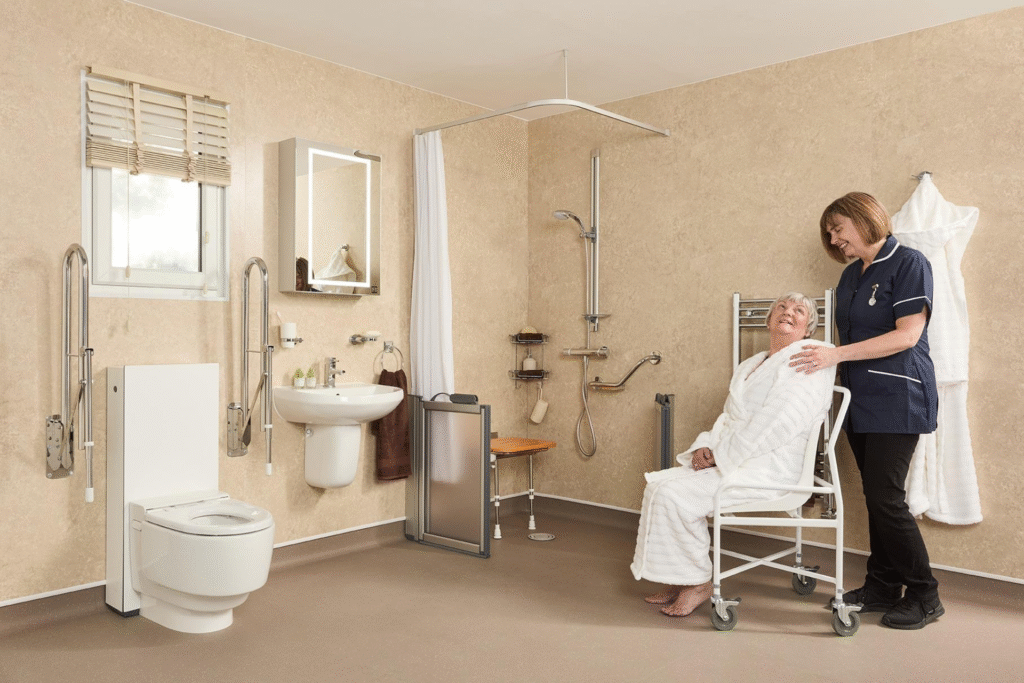
The National Disability Insurance Scheme (NDIS) is a pivotal initiative in Australia, designed to provide support and services to individuals with disabilities, including those facing mental health challenges. The NDIS aims to empower participants by offering tailored plans that cater to their unique needs, ensuring they have access to essential resources that enhance their quality of life. Mental health is a significant aspect of this support, as it encompasses a wide range of conditions that can affect an individual’s daily functioning and overall well-being.
For many NDIS participants, mental health issues can manifest in various ways, including anxiety, depression, and stress. These challenges can hinder their ability to engage in everyday activities, including maintaining a clean and organised living space. Recognising the importance of mental health within the NDIS framework is crucial, as it allows for a more holistic approach to care and support.
By integrating practical strategies, such as cleaning and organisation, into their daily routines, participants can experience improved mental health outcomes and a greater sense of control over their lives. NDIS Cleaning services are essential for individuals with disabilities to maintain a clean and healthy living environment.
Key Takeaways
- The NDIS provides support for individuals with mental health challenges
- Cleaning can have a positive impact on mental health
- Cleaning can be therapeutic for NDIS participants
- A structured cleaning routine can provide a sense of control and accomplishment
- A clean environment can positively impact mental well-being
The Connection Between Cleaning and Mental Health
Cleaning and mental health are intricately linked, with numerous studies highlighting the positive effects of a tidy environment on psychological well-being. A clean space can significantly reduce stress levels, promote relaxation, and enhance focus. For NDIS participants, maintaining a clean home can serve as a vital component of their mental health strategy, providing them with a sense of stability and comfort.
When individuals engage in cleaning activities, they often experience a sense of accomplishment that can boost their mood and self-esteem. This connection between cleaning and mental health is particularly relevant for those with disabilities or mental health challenges, as they may struggle with feelings of overwhelm or lack of control in their lives. By incorporating cleaning into their routines, participants can create a more manageable environment that fosters positive mental health outcomes.
The Therapeutic Effects of Cleaning for NDIS Participants

Cleaning can be a therapeutic activity for NDIS participants, offering both physical and emotional benefits. Engaging in cleaning tasks allows individuals to focus their energy on a productive activity, which can serve as a distraction from negative thoughts or feelings. This shift in focus can be particularly beneficial for those experiencing anxiety or depression, as it provides an opportunity to channel their emotions into something tangible.
Moreover, the act of cleaning can promote mindfulness—a practice that encourages individuals to be present in the moment and fully engage with their surroundings. Mindfulness has been shown to reduce stress and improve overall mental well-being. For NDIS participants, incorporating mindfulness into cleaning routines can enhance the therapeutic effects of the activity, allowing them to cultivate a greater sense of peace and clarity in their lives.
Creating a Structured Routine Through Cleaning
| Task | Frequency | Time Required |
|---|---|---|
| Vacuuming | Twice a week | 30 minutes |
| Dusting | Once a week | 20 minutes |
| Mopping | Once a week | 30 minutes |
| Organizing | Once a month | 1 hour |
Establishing a structured cleaning routine can be immensely beneficial for NDIS participants, providing them with a sense of stability and predictability in their daily lives. Routines are essential for mental health, as they create a framework that helps individuals manage their time and responsibilities more effectively. By incorporating cleaning tasks into their schedules, participants can develop healthy habits that contribute to their overall well-being.
A structured cleaning routine can also help participants break down overwhelming tasks into manageable steps. For instance, rather than attempting to clean an entire room in one go, individuals can focus on specific areas or tasks each day. This approach not only makes cleaning feel less daunting but also instills a sense of accomplishment as they complete each task.
Over time, these small victories can lead to increased confidence and motivation.
The Impact of a Clean Environment on Mental Well-being
The impact of a clean environment on mental well-being cannot be overstated. Research has shown that cluttered spaces can contribute to feelings of anxiety and stress, while clean and organised environments promote relaxation and clarity. For NDIS participants, creating a clean living space is essential for fostering positive mental health outcomes.
A tidy home can also enhance social interactions and relationships. When individuals feel comfortable in their environment, they are more likely to invite friends or family over, leading to increased social engagement and support. This sense of connection is vital for mental health, as strong social networks can provide emotional support and reduce feelings of isolation.
Building a Sense of Accomplishment and Control Through Cleaning
Cleaning offers NDIS participants an opportunity to build a sense of accomplishment and control over their lives. Completing cleaning tasks can provide immediate gratification, reinforcing positive feelings about oneself. This sense of achievement is particularly important for individuals who may struggle with self-esteem or feelings of inadequacy due to their disabilities or mental health challenges.
Furthermore, having control over one’s environment is crucial for mental well-being. When individuals take charge of their living spaces through cleaning and organisation, they are actively participating in shaping their surroundings. This empowerment can lead to increased confidence and resilience, enabling participants to tackle other challenges in their lives with greater ease.
Overcoming Feelings of Overwhelm and Anxiety Through Cleaning
For many NDIS participants, feelings of overwhelm and anxiety can be debilitating. Cleaning can serve as an effective coping mechanism for managing these emotions. Engaging in physical activity through cleaning not only distracts from negative thoughts but also releases endorphins—natural mood lifters that can alleviate feelings of stress.
Additionally, creating a clean environment can help reduce sensory overload, which is often experienced by individuals with anxiety or sensory processing issues. A clutter-free space allows for greater focus and calmness, making it easier for participants to navigate their daily lives without feeling overwhelmed by their surroundings.
Incorporating Cleaning into NDIS Participants’ Mental Health Plans
Incorporating cleaning into the mental health plans of NDIS participants is a practical and effective strategy for enhancing overall well-being. By recognising the therapeutic benefits of cleaning and its connection to mental health, support coordinators and plan managers can help participants develop routines that promote stability and control in their lives. As we have explored throughout this article, cleaning offers numerous advantages for mental health, including reduced stress levels, increased mindfulness, and a sense of accomplishment.
By encouraging NDIS participants to engage in regular cleaning activities, we can support them in creating environments that foster positive mental health outcomes. In conclusion, the integration of cleaning into the daily routines of NDIS participants is not just about maintaining a tidy home; it is about empowering individuals to take control of their lives and enhance their mental well-being. By prioritising cleanliness and organisation, we can help create spaces that nurture both physical safety and emotional resilience.
In exploring the benefits of cleaning for mental health, particularly for NDIS participants, it’s essential to consider the broader context of how professional cleaning services can play a role in enhancing well-being. An article that complements this discussion is available on the TasPro Cleaning website, which provides insights into the various cleaning services offered in Launceston. This article, titled “Hello World,” can be accessed through this link. It highlights the importance of maintaining a clean environment and how professional cleaning services can alleviate the stress and burden of cleaning tasks, thereby contributing positively to mental health.
FAQs
What is NDIS?
NDIS stands for National Disability Insurance Scheme, which is a government-funded program in Australia that provides support and services to people with disabilities.
How does cleaning impact mental health for NDIS participants?
Cleaning can boost mental health for NDIS participants by providing a sense of accomplishment, reducing stress and anxiety, and creating a clean and organized environment that promotes overall well-being.
What are some specific ways that cleaning can benefit mental health for NDIS participants?
Some specific ways that cleaning can benefit mental health for NDIS participants include reducing clutter, improving hygiene, creating a sense of control and empowerment, and promoting a positive and calming environment.
Are there any challenges that NDIS participants may face in maintaining a clean living environment?
Yes, NDIS participants may face challenges in maintaining a clean living environment due to physical limitations, cognitive impairments, or a lack of support. These challenges can impact their mental health and overall well-being.
What are some strategies for NDIS participants to overcome cleaning challenges and improve their mental health?
Some strategies for NDIS participants to overcome cleaning challenges and improve their mental health include seeking support from carers or support workers, breaking tasks into smaller, manageable steps, using adaptive cleaning tools, and creating a cleaning schedule that aligns with their abilities.
How can NDIS participants access support for cleaning and maintaining a clean living environment?
NDIS participants can access support for cleaning and maintaining a clean living environment through their NDIS plan, which may include funding for support workers, assistive technology, or specialized cleaning services. They can also seek assistance from NDIS service providers and community organizations.