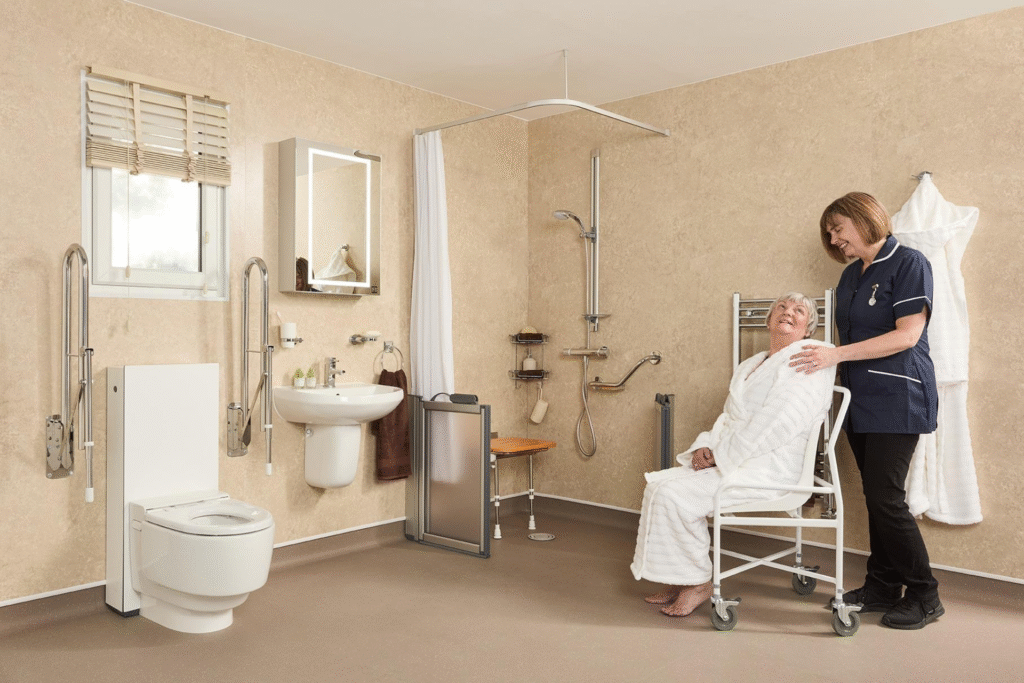
Maintaining a clean environment is crucial for everyone, but it takes on an even greater significance when assistive equipment is involved. For individuals who rely on devices such as wheelchairs, walkers, or other mobility aids, cleanliness is not just about aesthetics; it directly impacts their health and well-being. A clean space ensures that these essential tools function optimally and remain safe to use.
Regular cleaning helps to prevent the accumulation of dirt, dust, and allergens that can lead to respiratory issues or infections, particularly for those with compromised immune systems. Moreover, a tidy environment fosters independence and dignity for NDIS participants. When assistive equipment is clean and well-maintained, it enhances the user’s confidence and encourages them to engage more fully in daily activities.
This is especially important in shared living spaces where cleanliness can affect not only the individual but also their family members and caregivers. By prioritising cleanliness around assistive equipment, we create a supportive atmosphere that promotes health, safety, and overall quality of life.
Key Takeaways
- Regular cleaning around assistive equipment is important to prevent the spread of germs and bacteria
- Unclean assistive equipment can pose health risks, especially for individuals with weakened immune systems
- Choose cleaning products that are safe for the specific type of assistive equipment and effective against germs
- Proper cleaning techniques, such as using gentle wipes and avoiding harsh chemicals, are essential for maintaining the integrity of assistive equipment
- Safety precautions, such as wearing gloves and ensuring proper ventilation, should be taken when cleaning assistive equipment
Understanding the Risks of Unclean Assistive Equipment
The risks associated with unclean assistive equipment can be significant. Bacteria and germs thrive in unclean environments, and when assistive devices are not regularly cleaned, they can become breeding grounds for harmful pathogens. This poses a serious risk to users, particularly those with existing health conditions or weakened immune systems.
For instance, dirty wheelchairs can lead to skin irritations or infections, while unclean walkers may contribute to slips and falls due to compromised grip. In addition to health risks, unclean assistive equipment can also lead to functional issues. Dust and grime can interfere with the mechanisms of devices, causing them to malfunction or wear out more quickly.
This not only affects the user’s mobility but can also lead to costly repairs or replacements. Understanding these risks highlights the importance of regular cleaning and maintenance, ensuring that assistive equipment remains safe and effective for everyday use.
Choosing the Right Cleaning Products
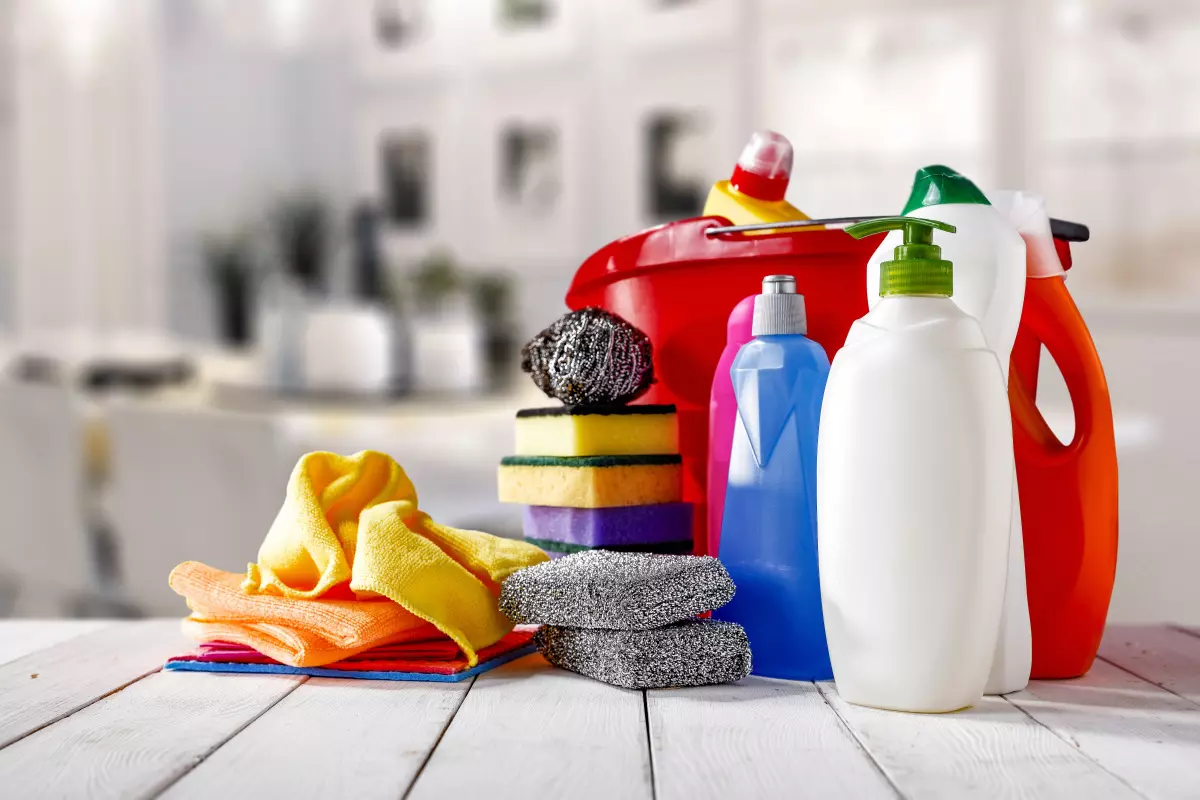
Selecting appropriate cleaning products is essential when it comes to maintaining assistive equipment. Not all cleaning agents are suitable for every surface or material, and using harsh chemicals can cause damage or create unsafe conditions. It’s important to choose products that are effective yet gentle enough to protect both the equipment and the user’s health.
When selecting cleaning products, look for those that are non-toxic and free from harsh chemicals. Eco-friendly options are often a great choice as they are safer for both users and the environment. Additionally, consider products that are specifically designed for cleaning medical or assistive devices, as these will typically have been tested for safety and efficacy.
Always check labels for compatibility with the materials used in the equipment to avoid any adverse reactions.
Proper Techniques for Cleaning Assistive Equipment
| Equipment | Proper Technique |
|---|---|
| Wheelchair | Use mild soap and water to clean the frame and cushion. Wipe down the wheels and axles with a damp cloth. |
| Walker | Wipe down the frame and handles with a disinfectant wipe. Clean the rubber tips with soap and water. |
| Crutches | Use a disinfectant spray to clean the hand grips and underarm pads. Wipe down the shafts with a damp cloth. |
| Canes | Wipe down the handle and shaft with a disinfectant wipe. Clean the rubber tip with soap and water. |
Proper cleaning techniques are vital to ensure that assistive equipment is thoroughly cleaned without causing damage. Start by removing any loose debris or dirt from the surface of the equipment using a soft brush or cloth. This initial step helps prevent scratching during the cleaning process.
Next, apply your chosen cleaning solution according to the manufacturer’s instructions. For most surfaces, a damp cloth with a mild detergent will suffice. Avoid soaking the equipment, as excess moisture can lead to rust or other damage.
Pay special attention to high-touch areas such as handles and armrests, as these are more likely to harbour germs. After cleaning, ensure that all surfaces are dried properly to prevent moisture-related issues.
Ensuring Safety Precautions are in Place
Safety should always be a top priority when cleaning assistive equipment. Before starting the cleaning process, it’s essential to ensure that the area is safe and free from hazards. This includes removing any obstacles that could cause trips or falls during cleaning.
Additionally, consider wearing gloves and a mask while cleaning to protect yourself from any potential allergens or irritants in the cleaning products. If you’re cleaning equipment used by someone else, it’s also important to communicate with them about any specific concerns they may have regarding allergies or sensitivities. By taking these precautions, you can create a safer cleaning environment that prioritises the well-being of both the cleaner and the user.
Regular Maintenance and Cleaning Schedule
Establishing a regular maintenance and cleaning schedule is key to ensuring that assistive equipment remains in good condition over time. Depending on usage levels, it may be necessary to clean certain items daily, while others may only require weekly or monthly attention. Creating a checklist can help keep track of what needs to be cleaned and when.
For example:
| Equipment Type | Cleaning Frequency | Maintenance Tasks |
| Wheelchairs | Daily | Wipe down surfaces; check wheels |
| Walkers | Weekly | Clean grips; inspect for wear |
| Shower chairs | After each use | Rinse; check for rust |
| Mobility scooters | Monthly | Deep clean; check battery condition |
By adhering to a consistent schedule, you can prevent dirt buildup and ensure that all equipment remains functional and safe for use.
Tips for Cleaning Specific Types of Assistive Equipment
Different types of assistive equipment require tailored cleaning approaches to ensure they are maintained properly.
Here are some practical tips for specific items:
Wheelchairs: Use a damp cloth with mild soap to clean the frame and wheels. Pay special attention to the footrests and armrests where dirt tends to accumulate.
Walkers: Wipe down all surfaces with a disinfectant wipe or solution. Ensure that rubber tips are checked regularly for wear and replaced as needed.
Shower Chairs: After each use, rinse off any soap residue with warm water. Periodically check for rust or corrosion on metal parts.
Mobility Scooters: Clean the seat and armrests with a soft cloth and mild cleaner. Regularly inspect battery connections and wheels for optimal performance.
By following these specific tips, you can ensure that each piece of equipment remains clean and functional.
Seeking Professional Help when Necessary
While many individuals can manage basic cleaning tasks themselves, there are times when professional assistance may be necessary. If you find that certain pieces of equipment require deep cleaning or repairs beyond your capabilities, don’t hesitate to reach out for help. Professional cleaners who specialise in NDIS services understand the unique needs of participants and can provide tailored solutions.
Additionally, if you’re unsure about which products or techniques are best suited for specific equipment, consulting with professionals can provide valuable insights. They can offer guidance on maintaining cleanliness while ensuring safety standards are met. How TASPRO Can Help. At TASPRO, we understand the importance of maintaining a clean environment for NDIS participants in Launceston (Tasmania), Victoria, and Western Australia.
Our dedicated team offers specialised NDIS cleaning services tailored to meet your needs. Whether you require regular home cleaning or assistance with specific tasks related to your assistive equipment, we’re here to help.
To get started with our services:
1. Contact Us: Reach out via our website or phone to discuss your specific cleaning needs.
2. Consultation: We’ll arrange a consultation to assess your requirements and develop a customised cleaning plan.
3. Schedule Service: Once we’ve established your needs, we’ll schedule regular cleaning services at your convenience.
We pride ourselves on our reliability, respect for privacy, and commitment to participant wellbeing. If you have any questions or would like more information about our NDIS cleaning services, please don’t hesitate to contact us today! Your cleanliness and comfort are our top priorities at TASPRO!
When it comes to maintaining a clean and safe environment around assistive equipment, it’s essential to consider professional cleaning services that understand the unique needs of such tasks. For those in the Launceston area, exploring the cleaning prices in Launceston can provide valuable insights into affordable and specialized cleaning options. These services ensure that both the equipment and surrounding areas are kept hygienic without compromising the safety and functionality of the assistive devices.
FAQs
What is assistive equipment?
Assistive equipment refers to devices or tools that help individuals with disabilities or limitations to perform daily activities, such as wheelchairs, walkers, canes, and grab bars.
Why is it important to clean around assistive equipment?
It is important to clean around assistive equipment to maintain a safe and hygienic environment for the individuals using the equipment. Regular cleaning helps prevent the spread of germs and reduces the risk of accidents or injuries.
How can I clean around assistive equipment safely?
To clean around assistive equipment safely, use non-toxic cleaning products and follow the manufacturer’s guidelines for cleaning and maintenance. Be mindful of any electrical components or sensitive parts when cleaning.
What are some tips for cleaning around assistive equipment?
Some tips for cleaning around assistive equipment include using mild soap and water for cleaning, avoiding harsh chemicals that may damage the equipment, and regularly wiping down surfaces to prevent the buildup of dirt and germs.
Are there any specific precautions to take when cleaning around assistive equipment?
When cleaning around assistive equipment, it is important to be mindful of any cords, wheels, or moving parts that could pose a tripping hazard or cause damage if not handled carefully. Additionally, be cautious around any electrical components to avoid the risk of electric shock.