Allergies are a common concern for many individuals and families, affecting millions of Australians each year. They can manifest in various forms, from seasonal hay fever to more severe reactions triggered by specific allergens found in our homes. For those living with allergies, maintaining a clean and safe environment is crucial.
Effective cleaning practices not only help to alleviate symptoms but also contribute to overall well-being. In this article, we will explore the relationship between allergies and cleaning practices, highlighting the importance of a thorough cleaning routine. By understanding common allergens, proper cleaning techniques, and the use of allergy-proof products, you can create a healthier living space.
This is particularly important for NDIS participants, support coordinators, and plan managers who are dedicated to ensuring the well-being of individuals with allergies.
Key Takeaways
- Allergies can be triggered by common household allergens such as dust mites, pet dander, mold, and pollen.
- Proper cleaning techniques, such as using a HEPA filter vacuum and damp dusting, can help reduce allergens in the home.
- Using allergy-proof products and tools, such as allergen-proof pillow covers and air purifiers, can help create a healthier indoor environment.
- Maintaining a regular cleaning schedule, including washing bedding and vacuuming carpets, can help prevent allergen buildup.
- Seek professional help, such as hiring a professional cleaning service or allergist, for allergy prevention if needed.
Common Allergens in the Home
Allergens can be found in various forms throughout our homes, often lurking in places we least expect. Dust mites, pet dander, mould spores, and pollen are some of the most prevalent culprits. Dust mites thrive in warm, humid environments and are commonly found in bedding, carpets, and upholstered furniture.
Pet dander, which consists of tiny flakes of skin shed by cats and dogs, can trigger allergic reactions in sensitive individuals. Mould is another significant allergen that can develop in damp areas of the home, such as bathrooms and kitchens. It releases spores into the air, which can be inhaled and cause respiratory issues.
Pollen from trees, grasses, and weeds can also find its way indoors through open windows and on clothing. Understanding these common allergens is the first step towards effective cleaning and prevention.
Proper Cleaning Techniques to Reduce Allergens
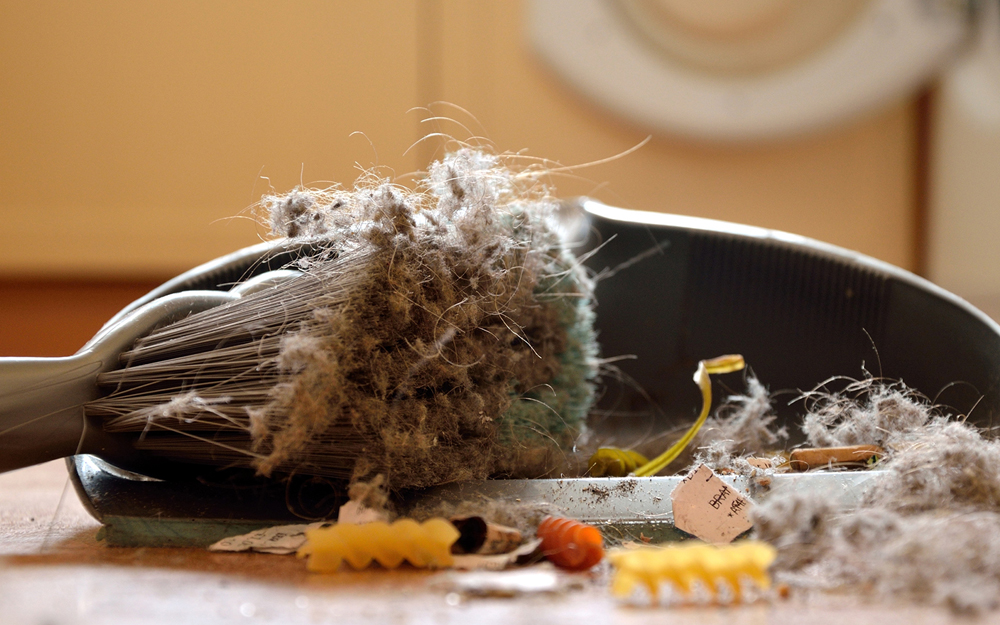
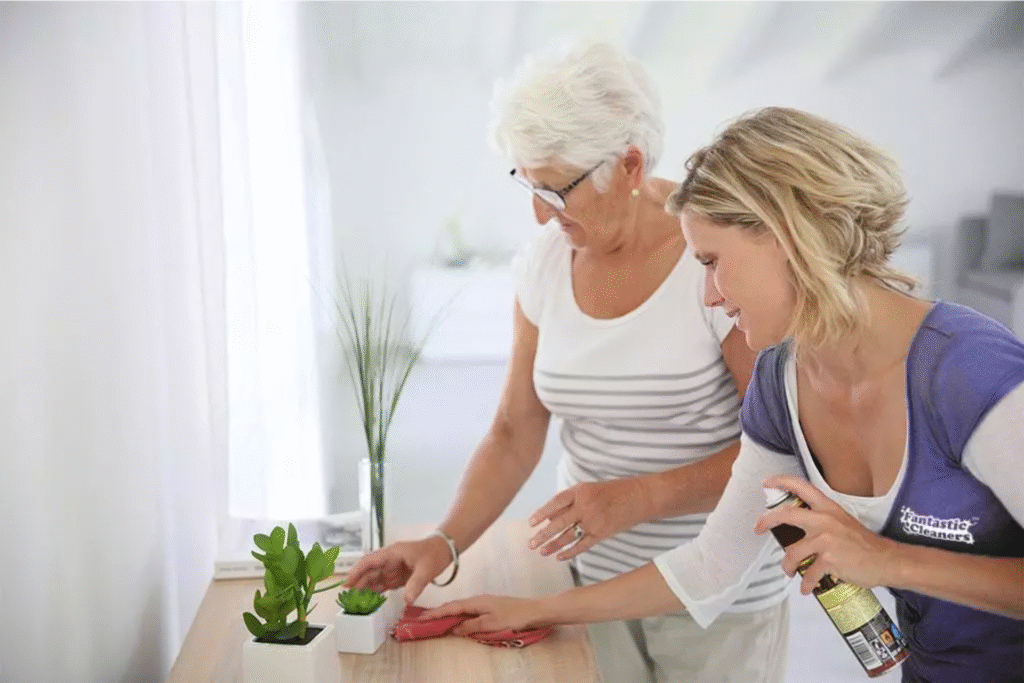
To effectively reduce allergens in your home, it is essential to adopt proper cleaning techniques. Regular dusting and vacuuming are vital components of any cleaning routine. When dusting surfaces, use a damp cloth to trap dust particles rather than allowing them to become airborne.
Pay special attention to areas that often go unnoticed, such as ceiling fans, light fixtures, and baseboards. Vacuuming should be done frequently, ideally with a vacuum cleaner equipped with a HEPA filter. These filters are designed to capture small particles, including allergens, ensuring that they are not released back into the air during cleaning.
Additionally, consider using a vacuum with a bag that can be sealed and disposed of easily to prevent allergens from escaping during disposal.
Using Allergy-Proof Products and Tools
| Product/Tool | Benefits | Price Range |
|---|---|---|
| Hypoallergenic bedding | Reduces exposure to dust mites and allergens | 50 – 200 |
| Allergy-proof vacuum cleaner | Removes allergens from carpets and upholstery | 100 – 500 |
| Air purifier | Cleans the air of allergens and pollutants | 100 – 500 |
| Allergy-friendly cleaning products | Minimizes exposure to harsh chemicals and irritants | 5 – 20 |
Choosing the right cleaning products and tools is essential for minimising allergens in your home. Opt for hypoallergenic cleaning solutions that are free from harsh chemicals and fragrances, as these can exacerbate allergy symptoms. Many brands now offer eco-friendly options that are both effective and safe for sensitive individuals.
In addition to selecting appropriate cleaning products, investing in allergy-proof tools can make a significant difference. Microfibre cloths are excellent for trapping dust and allergens without releasing them back into the air. Similarly, using an air purifier with a HEPA filter can help to reduce airborne allergens by capturing particles as they circulate through your home.
Maintaining a Regular Cleaning Schedule
Establishing a regular cleaning schedule is crucial for managing allergens effectively. Consistency is key; by dedicating specific days to cleaning tasks, you can ensure that your home remains a haven for allergy sufferers. A well-structured schedule allows you to tackle different areas of your home systematically.
Consider breaking down your cleaning tasks into daily, weekly, and monthly routines.
For example:
| Frequency | Tasks |
| Daily | Dust surfaces, vacuum high-traffic areas |
| Weekly | Clean bathrooms, wash bedding |
| Monthly | Deep clean carpets, wash curtains |
By adhering to this schedule, you can significantly reduce the accumulation of allergens in your home.
Tips for Cleaning Specific Allergy-Prone Areas
Certain areas of the home are more prone to allergens than others and require special attention during cleaning. Bedrooms are particularly important since they are where we spend a significant amount of time resting. Regularly washing bedding in hot water can help eliminate dust mites and other allergens.
Additionally, consider using allergen-proof mattress and pillow covers to provide an extra layer of protection. Kitchens and bathrooms are also hotspots for mould growth due to their moisture levels. Ensure that these areas are well-ventilated to reduce humidity levels.
Regularly clean surfaces with mould-inhibiting solutions and promptly address any leaks or water damage to prevent mould from taking hold.
Creating a Healthy Indoor Environment
Creating a healthy indoor environment goes beyond just cleaning; it involves making conscious choices about the products we use and the air we breathe. Ensuring proper ventilation throughout your home is essential for reducing indoor air pollution and maintaining good air quality. Open windows when the weather permits to allow fresh air to circulate.
Incorporating indoor plants can also improve air quality by filtering out toxins; however, be mindful of any potential allergens associated with specific plants. Choose varieties known for their air-purifying qualities while being cautious of those that may trigger allergies.
Seeking Professional Help for Allergy Prevention
For those who find it challenging to manage allergies through regular cleaning alone, seeking professional help may be beneficial. Professional cleaning services that specialise in allergy prevention can provide thorough deep cleaning tailored to your specific needs. These services often utilise advanced techniques and equipment designed to eliminate allergens effectively.
Additionally, professionals can offer advice on maintaining a clean environment tailored to your unique circumstances. This support can be invaluable for NDIS participants who may require additional assistance in managing their living spaces. In conclusion, understanding allergies and implementing effective cleaning practices is essential for creating a safe and healthy home environment.
By recognising common allergens, employing proper cleaning techniques, using allergy-proof products, maintaining a regular schedule, and seeking professional help when needed, you can significantly improve indoor air quality and overall well-being. If you’re looking for assistance with your cleaning needs or want to learn more about how we can help you maintain a healthy living space, please don’t hesitate to contact us at TASPRO. We’re here to support you every step of the way!
For those looking to delve deeper into maintaining a clean and allergy-free home, an excellent resource is the article on window cleaning. This piece complements the insights from “How to Avoid Allergies Through Proper Cleaning Practices” by highlighting the importance of keeping windows spotless to reduce dust and pollen accumulation, which are common allergens. Regular window cleaning not only enhances the aesthetic appeal of your home but also plays a crucial role in minimizing allergy triggers, ensuring a healthier living environment.
FAQs
What are common allergens found in the home?
Common allergens found in the home include dust mites, pet dander, mold, pollen, and cockroach droppings.
How can proper cleaning practices help in avoiding allergies?
Proper cleaning practices can help in avoiding allergies by reducing the presence of allergens in the home, such as dust mites, pet dander, and mold.
What are some effective cleaning practices to avoid allergies?
Effective cleaning practices to avoid allergies include regular dusting, vacuuming with a HEPA filter, washing bedding in hot water, keeping pets off furniture, and controlling indoor humidity to prevent mold growth.
How often should I clean to avoid allergies?
To avoid allergies, it is recommended to clean regularly, including dusting and vacuuming at least once a week, washing bedding in hot water weekly, and keeping surfaces free of dust and pet dander.
Are there specific cleaning products that can help in avoiding allergies?
Using hypoallergenic or fragrance-free cleaning products can help in avoiding allergies, as scented products and harsh chemicals can exacerbate allergy symptoms for some individuals.