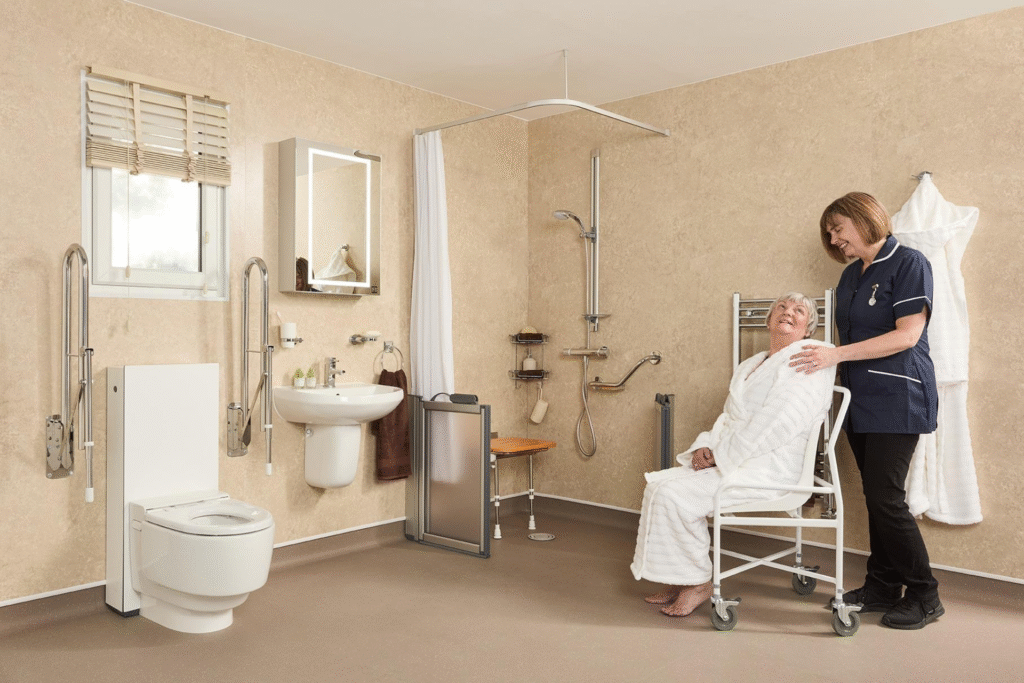
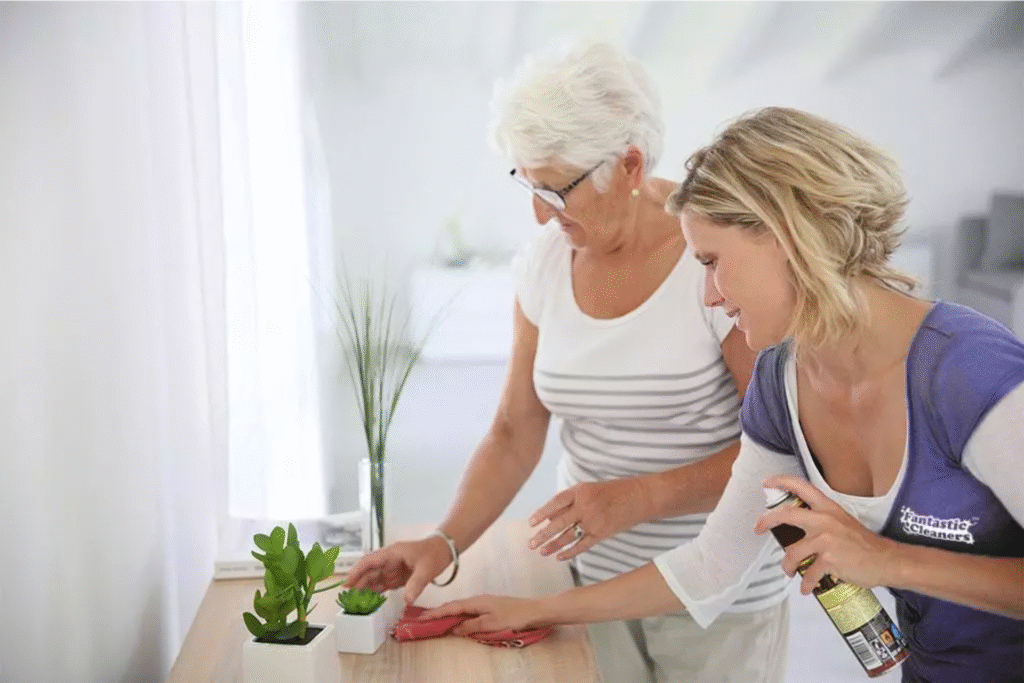
Maintaining a clean environment is crucial for homes that house medical equipment. Cleanliness not only ensures the longevity of the equipment but also plays a significant role in the health and well-being of individuals who rely on these devices. Medical equipment, such as wheelchairs, oxygen tanks, and other assistive devices, can become breeding grounds for bacteria and germs if not properly maintained.
This is particularly important for NDIS participants who may have compromised immune systems or other health vulnerabilities. A clean home environment contributes to overall safety and comfort. For individuals using medical equipment, a tidy space reduces the risk of accidents and injuries.
Clutter can obstruct pathways, making it difficult for mobility aids to navigate safely. Furthermore, a clean home promotes mental well-being, providing a sense of order and peace that can be particularly beneficial for those managing chronic health conditions. NDIS Cleaning services are essential for individuals with disabilities to maintain a clean and healthy living environment.
Key Takeaways
- Cleanliness is crucial for homes with medical equipment to prevent the spread of infections and maintain a safe environment for patients.
- When choosing cleaning products for medical equipment, it is important to consider the material of the equipment and the specific cleaning requirements to ensure effectiveness and safety.
- Regular cleaning and disinfecting of wheelchairs and mobility aids is essential to prevent the spread of germs and maintain the health and safety of users.
- Proper cleaning of respiratory equipment is important to prevent the buildup of bacteria and ensure the equipment functions effectively for patients.
- Maintaining cleanliness for catheters and ostomy supplies is crucial to prevent infections and ensure the comfort and well-being of patients.
Choosing the Right Cleaning Products for Medical Equipment
Selecting appropriate cleaning products is essential when caring for medical equipment. Not all cleaning agents are suitable for every type of device, and using the wrong product can lead to damage or ineffective cleaning. It is vital to choose non-toxic, hypoallergenic cleaners that are safe for both the equipment and the individuals using them.
Look for products that are specifically designed for medical environments, as these are formulated to eliminate germs without causing harm.
When selecting cleaning products, consider the following factors:
Effectiveness: Ensure the product is proven to kill bacteria and viruses.
Safety: Opt for non-toxic and hypoallergenic options to avoid adverse reactions.
Compatibility: Check that the product is suitable for the specific materials used in the medical equipment.
By being mindful of these factors, you can ensure that your cleaning routine is both effective and safe.
Cleaning and Disinfecting Wheelchairs and Mobility Aids
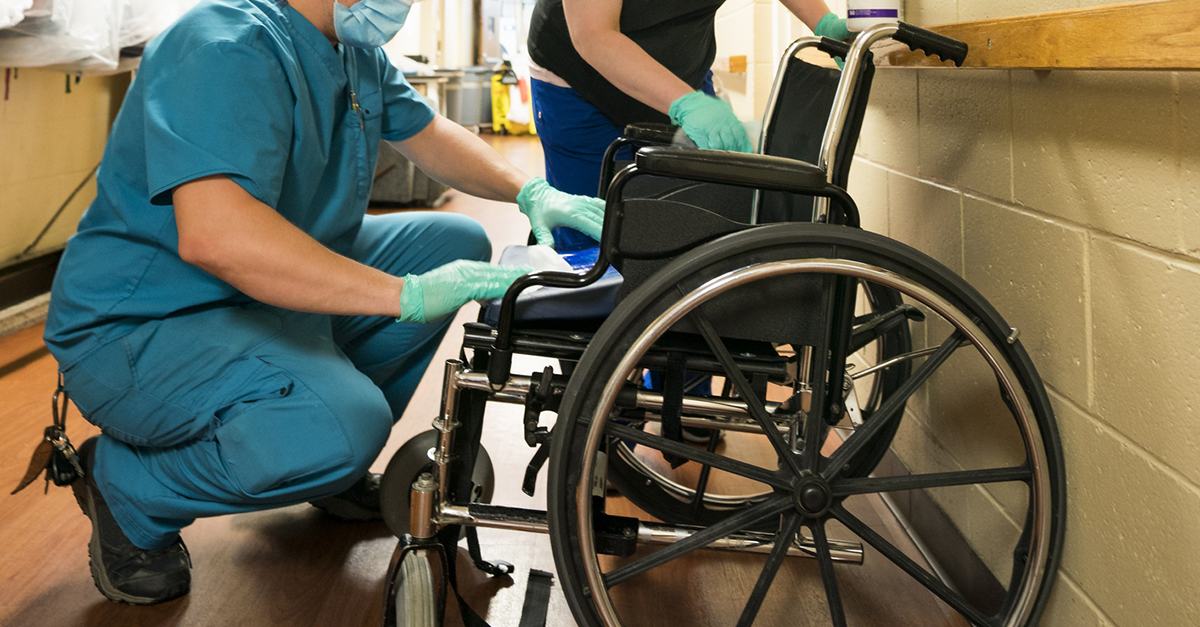
Wheelchairs and mobility aids require regular cleaning to ensure they remain in good working condition and free from harmful pathogens. Start by removing any loose debris or dirt from the surfaces. Use a soft cloth or brush to gently wipe down the frame, wheels, and seat.
Pay special attention to areas that come into direct contact with the user’s skin, as these can harbour bacteria. After dusting off the surfaces, it’s time to disinfect. Use a suitable disinfectant spray or wipes that are safe for use on metal and fabric surfaces.
Make sure to follow the manufacturer’s instructions regarding contact time to ensure effective disinfection. Additionally, consider using a protective cover for outdoor use to keep your mobility aids clean from environmental contaminants. Regular maintenance checks are also essential.
Inspect the wheels and brakes for any signs of wear or damage, as this can affect safety and functionality. Keeping your mobility aids clean not only enhances their performance but also contributes to the overall health of the user.
Tips for Cleaning Respiratory Equipment
Respiratory equipment, such as nebulisers and CPAP machines, requires meticulous cleaning to prevent infections and ensure optimal performance. Begin by disassembling the equipment according to the manufacturer’s guidelines. This will allow you to access all components that need cleaning.
For most respiratory devices, warm soapy water is sufficient for cleaning. Use a soft cloth or sponge to gently scrub all parts, ensuring you reach any crevices where dirt may accumulate. Rinse thoroughly with clean water to remove any soap residue, which could irritate the respiratory system if inhaled.
Disinfecting is equally important. Use a disinfectant solution recommended by the manufacturer, ensuring it is safe for use on respiratory equipment. Allow all parts to air dry completely before reassembling.
Regularly check filters and replace them as needed to maintain air quality.
Maintaining Cleanliness for Catheters and Ostomy Supplies
For individuals using catheters or ostomy supplies, cleanliness is paramount in preventing infections and ensuring comfort. Begin by washing your hands thoroughly before handling any supplies. This simple step significantly reduces the risk of introducing harmful bacteria.
When cleaning catheter sites or ostomy areas, use mild soap and warm water. Gently cleanse the area without scrubbing too hard, as this can irritate. After washing, pat the area dry with a clean towel before applying any new supplies.
It’s essential to follow specific guidelines provided by healthcare professionals regarding the frequency of changing catheters or ostomy bags. Additionally, ensure that all supplies are stored in a clean, dry place to prevent contamination. Regularly check expiration dates on products and dispose of any that are no longer safe to use.
Cleaning and Sanitizing Bathroom and Shower Equipment
Bathrooms are often hotspots for germs due to their humid environment. Regular cleaning and sanitising of bathroom equipment are essential, especially in homes with medical equipment. Start by removing any personal items from surfaces before cleaning.
Use a disinfectant cleaner on all surfaces, including sinks, toilets, and shower areas. Pay special attention to high-touch areas such as taps and handles. For shower equipment like grab bars or shower chairs, ensure they are cleaned with a suitable disinfectant that won’t damage their finish.
To maintain hygiene in bathrooms:
Ventilation: Keep windows open or use exhaust fans to reduce humidity.
Regular Cleaning: Establish a routine cleaning schedule to prevent build-up.
Mould Prevention: Use mould-resistant products in damp areas.
By keeping bathrooms clean and sanitised, you create a safer environment for everyone in the home.
Regular Cleaning Schedule for NDIS Homes with Medical Equipment
Establishing a regular cleaning schedule is vital for maintaining cleanliness in homes with medical equipment. A consistent routine helps ensure that all areas are addressed regularly, reducing the risk of germs accumulating over time. Consider creating a checklist that outlines daily, weekly, and monthly tasks.
Daily tasks may include:
– Wiping down high-touch surfaces
– Emptying rubbish bins
– Cleaning kitchen counters.
Weekly tasks could involve:
– Vacuuming carpets and mopping floors
– Disinfecting bathrooms
– Cleaning medical equipment.
Monthly tasks might include:
– Deep cleaning carpets
– Washing curtains or blinds
– Organising storage areas
By adhering to a structured cleaning schedule, you can ensure that your home remains a safe and hygienic environment for NDIS participants.
Additional Tips for Keeping a Clean and Safe Home Environment
In addition to regular cleaning routines, there are several other strategies you can implement to maintain a clean and safe home environment. First, encourage everyone in the household to adopt good hygiene practices, such as washing hands frequently and using hand sanitiser when necessary. Consider investing in storage solutions that keep medical supplies organised and easily accessible while reducing clutter around the home.
This not only enhances safety but also makes it easier to find what you need when you need it. Another effective strategy is to establish a no-shoes policy within the home. Shoes can track in dirt and germs from outside, so having designated indoor footwear can help keep floors cleaner.
Lastly, consider utilising professional cleaning services that specialise in NDIS cleaning if you find it challenging to maintain cleanliness on your own. These services can provide tailored solutions that meet your specific needs while ensuring compliance with Australian cleaning standards. By implementing these additional tips alongside regular cleaning routines, you can create a safe and welcoming environment for everyone in your home.
In conclusion, maintaining cleanliness in homes with medical equipment is essential for health and safety. By choosing appropriate cleaning products, establishing regular cleaning schedules, and adopting good hygiene practices, you can ensure a safe living environment for NDIS participants. If you need assistance with your cleaning needs or would like more information about our services at TASPRO, please don’t hesitate to contact us today!
For those interested in maintaining a clean and safe environment in homes equipped with medical equipment, it’s essential to follow specific cleaning guidelines to ensure both hygiene and the proper functioning of the equipment. An article that complements the NDIS Cleaning Tips for Homes With Medical Equipment is the one on pressure washing. This article provides insights into effective cleaning techniques that can be applied to various surfaces, ensuring a thorough and efficient cleaning process. By integrating these pressure washing tips, homeowners can enhance their cleaning routines, particularly in areas that require more intensive cleaning methods.
FAQs
What is NDIS?
NDIS stands for National Disability Insurance Scheme, which is a government-funded program in Australia that provides support and services to people with disabilities, their families, and carers.
Why is cleaning important for homes with medical equipment?
Cleaning is important for homes with medical equipment to maintain a safe and hygienic environment for individuals with disabilities. Regular cleaning helps prevent the spread of germs and bacteria, reducing the risk of infections and illnesses.
What are some NDIS cleaning tips for homes with medical equipment?
Some NDIS cleaning tips for homes with medical equipment include using disinfectants to clean surfaces, regularly washing and sanitizing hands, cleaning and disinfecting medical equipment, and maintaining a clutter-free environment to prevent accidents.
How often should medical equipment be cleaned in a home with NDIS support?
Medical equipment in a home with NDIS support should be cleaned regularly, following the manufacturer’s guidelines and recommendations. This may include daily, weekly, or monthly cleaning, depending on the specific equipment.
Can NDIS funding be used for cleaning services in homes with medical equipment?
Yes, NDIS funding can be used to cover the cost of cleaning services in homes with medical equipment, as long as it is considered reasonable and necessary for the participant’s support needs. Participants can discuss their cleaning needs with their NDIS support coordinator or planner to determine the appropriate funding allocation.