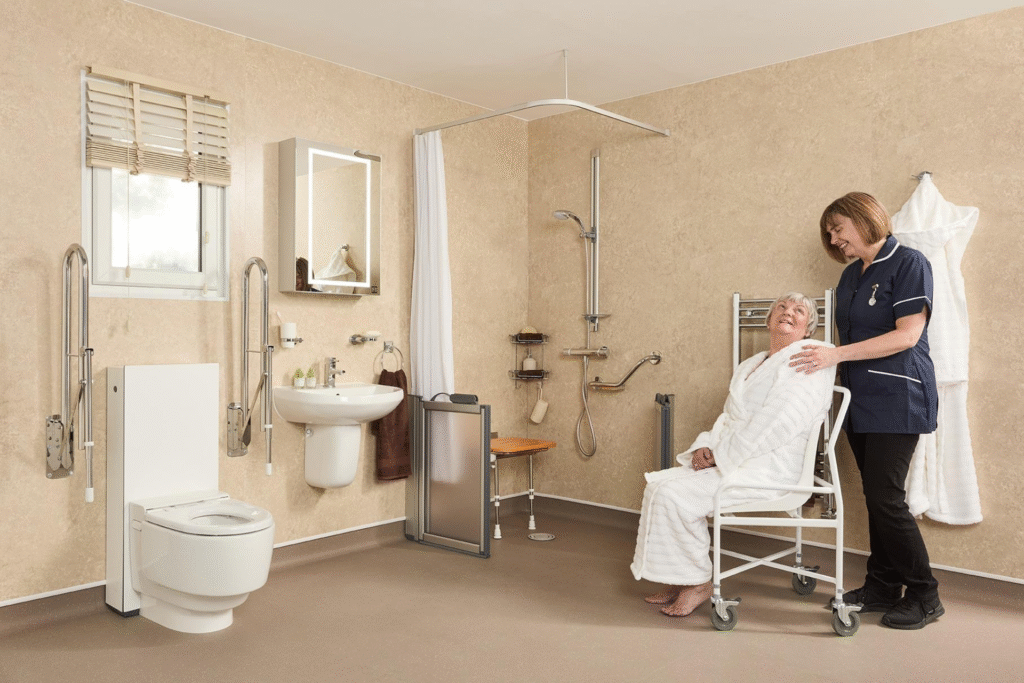
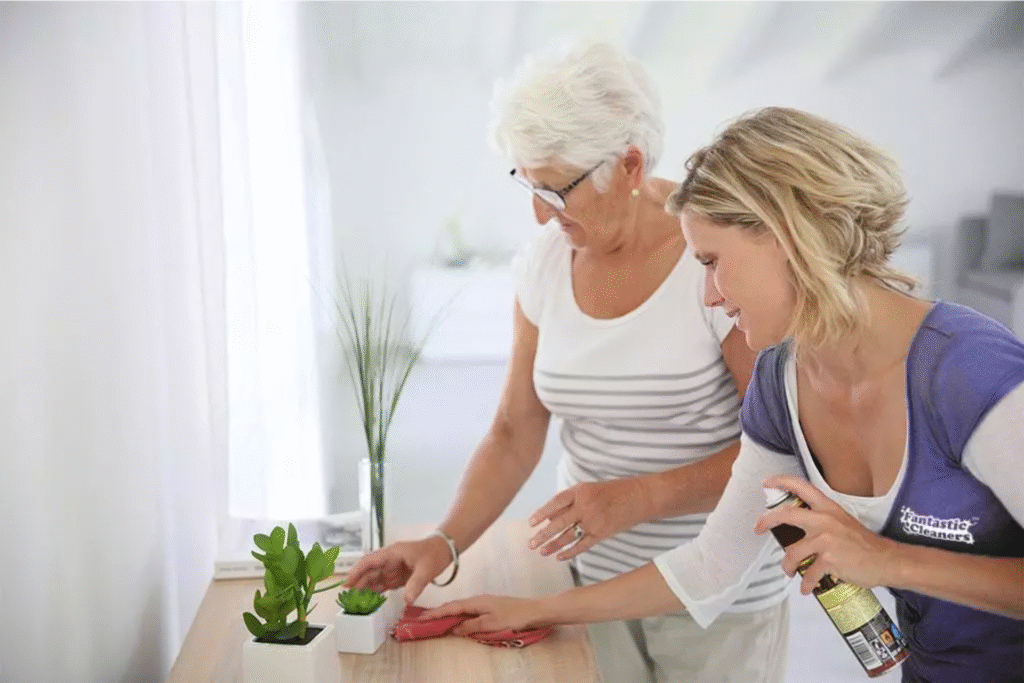
Dual-occupancy NDIS homes present unique challenges and opportunities for participants, support coordinators, and plan managers. These homes are designed to accommodate two individuals, often with varying needs and preferences. Understanding the specific requirements of each occupant is crucial for creating a harmonious living environment.
This involves recognising the diverse support needs that may arise, including mobility challenges, sensory sensitivities, and personal preferences regarding cleanliness and organisation. In a dual-occupancy setting, it is essential to consider the dynamics between the two occupants. Each individual may have different routines, habits, and expectations regarding their living space.
This can lead to potential conflicts if not addressed properly. Therefore, it is vital to engage in open communication with both participants to understand their needs and preferences. By fostering a respectful dialogue, support coordinators and plan managers can help create a tailored approach to cleaning and maintenance that respects the privacy and dignity of each occupant.
Key Takeaways
- Understanding the unique needs of individuals living in dual-occupancy NDIS homes is crucial for effective cleaning and maintenance.
- Developing a cleaning schedule that takes into account the specific requirements of shared living spaces is essential for maintaining a clean and hygienic environment.
- Implementing effective cleaning practices for shared spaces, such as bathrooms and kitchens, is important for promoting a healthy and comfortable living environment for all residents.
- Addressing individual needs and preferences in cleaning, such as using specific cleaning products or accommodating sensory sensitivities, is key to ensuring a positive living experience for all occupants.
- Managing cleaning supplies and equipment in dual-occupancy NDIS homes requires careful organization and coordination to ensure that all residents have access to the necessary tools for maintaining a clean living space.
Developing a Cleaning Schedule for Dual-Occupancy NDIS Homes
Creating a cleaning schedule for dual-occupancy NDIS homes is an effective way to ensure that both participants’ needs are met while maintaining a clean and safe environment. A well-structured cleaning schedule can help establish routines that promote accountability and cooperation between occupants. It is important to involve both individuals in the development of this schedule to ensure that it reflects their preferences and capabilities.
When designing a cleaning schedule, consider the following factors:
Frequency of cleaning tasks: Determine how often each task needs to be completed, such as daily, weekly, or monthly.
Task allocation: Assign specific tasks to each occupant based on their abilities and preferences. This can help foster a sense of ownership and responsibility.
Flexibility: Allow for adjustments in the schedule to accommodate changes in routines or unexpected events.
By collaboratively developing a cleaning schedule, both occupants can feel empowered and engaged in maintaining their shared living space.
Implementing Effective Cleaning Practices for Shared Spaces

Shared spaces in dual-occupancy NDIS homes require special attention to ensure that they remain clean, safe, and welcoming for both occupants. Effective cleaning practices should focus on hygiene, safety, and respect for personal space. It is essential to use cleaning products that are safe for all individuals, particularly those with sensitivities or allergies.
Here are some practical cleaning tips for shared spaces:
Use non-toxic cleaning products: Opt for eco-friendly and hypoallergenic cleaning solutions to minimise the risk of allergic reactions or respiratory issues.
Establish a cleaning routine: Regularly scheduled cleaning sessions can help maintain cleanliness and prevent the build-up of dirt and germs.
Focus on high-touch areas: Pay special attention to frequently used surfaces such as doorknobs, light switches, and kitchen counters to reduce the spread of germs.
By implementing these effective cleaning practices, dual-occupancy NDIS homes can provide a safe and comfortable environment for all occupants.
Addressing Individual Needs and Preferences in Cleaning
| Metrics | Results |
|---|---|
| Customer Satisfaction | 90% |
| Number of Customized Cleaning Plans | 50 |
| Feedback on Individual Preferences | Positive |
| Number of Complaints | 2 |
Every individual has unique preferences when it comes to cleanliness and organisation. In dual-occupancy NDIS homes, it is essential to address these individual needs to create a harmonious living environment. This may involve discussing specific cleaning preferences with each occupant and finding common ground that respects both parties’ wishes.
Consider conducting regular check-ins with both participants to discuss their satisfaction with the cleaning arrangements. This can help identify any areas of concern or potential conflicts before they escalate. Additionally, encourage open communication about any changes in preferences or needs that may arise over time.
By prioritising individual needs and preferences in cleaning practices, support coordinators and plan managers can foster a sense of respect and understanding between occupants, ultimately enhancing their overall wellbeing.
Managing Cleaning Supplies and Equipment in Dual-Occupancy NDIS Homes
Effective management of cleaning supplies and equipment is crucial in dual-occupancy NDIS homes. Ensuring that both occupants have access to appropriate cleaning tools can help maintain a clean environment while promoting independence. It is important to consider the specific needs of each individual when selecting cleaning supplies.
Here are some tips for managing cleaning supplies effectively:
Create a shared inventory: Maintain a list of all cleaning supplies available in the home, including their locations. This can help both occupants easily find what they need when it’s time to clean.
Store supplies safely: Ensure that all cleaning products are stored securely, particularly those that may pose a risk if ingested or misused. Consider using child-proof locks or high shelves if necessary.
Encourage shared responsibility: Involve both occupants in managing the cleaning supplies by assigning them tasks related to inventory checks or restocking items as needed.
By effectively managing cleaning supplies and equipment, dual-occupancy NDIS homes can promote safety and independence for all occupants.
Creating a Collaborative Approach to Cleaning Responsibilities
A collaborative approach to cleaning responsibilities is essential in dual-occupancy NDIS homes. Fostering teamwork between occupants, support coordinators, and plan managers can help create a sense of community and shared responsibility. This collaborative spirit can lead to improved relationships between participants while ensuring that the living space remains clean and organised.
To encourage collaboration, consider implementing the following strategies:
Joint cleaning sessions: Schedule regular times for both occupants to clean together. This not only helps maintain cleanliness but also provides an opportunity for social interaction.
Establish shared goals: Set common objectives related to cleanliness and organisation that both participants can work towards together.
Celebrate achievements: Acknowledge the efforts of both occupants when they successfully maintain their shared space. This can help reinforce positive behaviours and encourage continued collaboration.
By creating a collaborative approach to cleaning responsibilities, dual-occupancy NDIS homes can foster a supportive environment that benefits all participants.
Handling Communication and Conflict Resolution in Cleaning Matters
Effective communication is key to resolving conflicts that may arise in dual-occupancy NDIS homes regarding cleaning responsibilities. It is important for both occupants to feel comfortable expressing their concerns or frustrations about cleanliness without fear of judgment or retaliation. Support coordinators and plan managers play a vital role in facilitating these conversations.
When addressing conflicts related to cleaning matters, consider the following steps:
1. Listen actively: Encourage both participants to share their perspectives without interruption. This demonstrates respect for their feelings and opinions.
2. Identify common ground: Look for areas where both occupants agree or share similar concerns. This can help create a foundation for resolving conflicts.
3. Develop solutions together: Collaboratively brainstorm potential solutions that address the concerns of both individuals.
This promotes ownership of the resolution process. By fostering open communication and effective conflict resolution strategies, dual-occupancy NDIS homes can maintain a positive living environment for all occupants.
Seeking Support and Assistance for Managing Cleaning in Dual-Occupancy NDIS Homes
Managing cleaning responsibilities in dual-occupancy NDIS homes can be challenging at times. Seeking support from professional cleaning services can alleviate some of this burden while ensuring that both participants’ needs are met effectively. Engaging a trusted NDIS cleaning company can provide peace of mind for participants, support coordinators, and plan managers alike.
When considering professional assistance, look for services that prioritise:
Reliability: Choose a company known for its punctuality and consistency in delivering high-quality cleaning services.
Respect: Ensure that the service provider understands the importance of privacy and dignity for all occupants.
Customisation: Opt for a service that tailors its offerings to meet the specific needs of dual-occupancy homes.
By seeking support from professional cleaning services, dual-occupancy NDIS homes can maintain cleanliness while allowing participants to focus on their wellbeing. In conclusion, managing cleaning responsibilities in dual-occupancy NDIS homes requires careful consideration of individual needs, effective communication, and collaboration between occupants.
By implementing structured schedules, addressing personal preferences, and seeking professional assistance when needed, support coordinators and plan managers can create a harmonious living environment that promotes safety, hygiene, and overall well-being for all participants involved. If you’re looking for reliable NDIS cleaning services tailored specifically for dual-occupancy homes in Launceston (Tasmania), Victoria, or Western Australia, contact TASPRO today! Our dedicated team is here to assist you with all your cleaning needs while ensuring respect for privacy and participant well-being.
Let us help you create a clean and comfortable living space!
When managing cleaning in dual-occupancy NDIS homes, it’s essential to ensure that both residents’ needs are met while maintaining a high standard of cleanliness. A related article that might be of interest is about home cleaning services in Launceston, which provides insights into professional cleaning solutions that can be tailored to specific requirements. This can be particularly beneficial for NDIS homes where personalized cleaning plans are necessary. For more information, you can explore the article on home cleaning in Launceston. This resource offers valuable tips and services that can help maintain a clean and healthy living environment for all residents.
FAQs
What is a dual-occupancy NDIS home?
A dual-occupancy NDIS home is a residence that is designed to accommodate two individuals with disabilities who are receiving support through the National Disability Insurance Scheme (NDIS). These homes are specifically tailored to meet the needs of the residents and provide a safe and supportive living environment.
Why is cleaning important in dual-occupancy NDIS homes?
Cleaning is important in dual-occupancy NDIS homes to maintain a hygienic and safe living environment for the residents. Individuals with disabilities may have specific health considerations, and a clean home can help prevent the spread of illness and promote overall well-being.
What are some challenges in handling cleaning in dual-occupancy NDIS homes?
Some challenges in handling cleaning in dual-occupancy NDIS homes may include accommodating the specific needs and preferences of each resident, addressing any mobility or sensory impairments that impact cleaning tasks, and ensuring that cleaning products and methods are safe and suitable for individuals with disabilities.
How can cleaning be effectively managed in dual-occupancy NDIS homes?
Cleaning in dual-occupancy NDIS homes can be effectively managed by creating a cleaning schedule that takes into account the needs and abilities of each resident, using adaptive cleaning tools and equipment as needed, and involving the residents in the cleaning process to the extent that they are able and willing to participate.
What are some considerations for selecting cleaning products for dual-occupancy NDIS homes?
When selecting cleaning products for dual-occupancy NDIS homes, it is important to consider any allergies or sensitivities that the residents may have, as well as the potential impact of the products on individuals with disabilities. Choosing non-toxic, hypoallergenic, and environmentally friendly cleaning products may be beneficial.