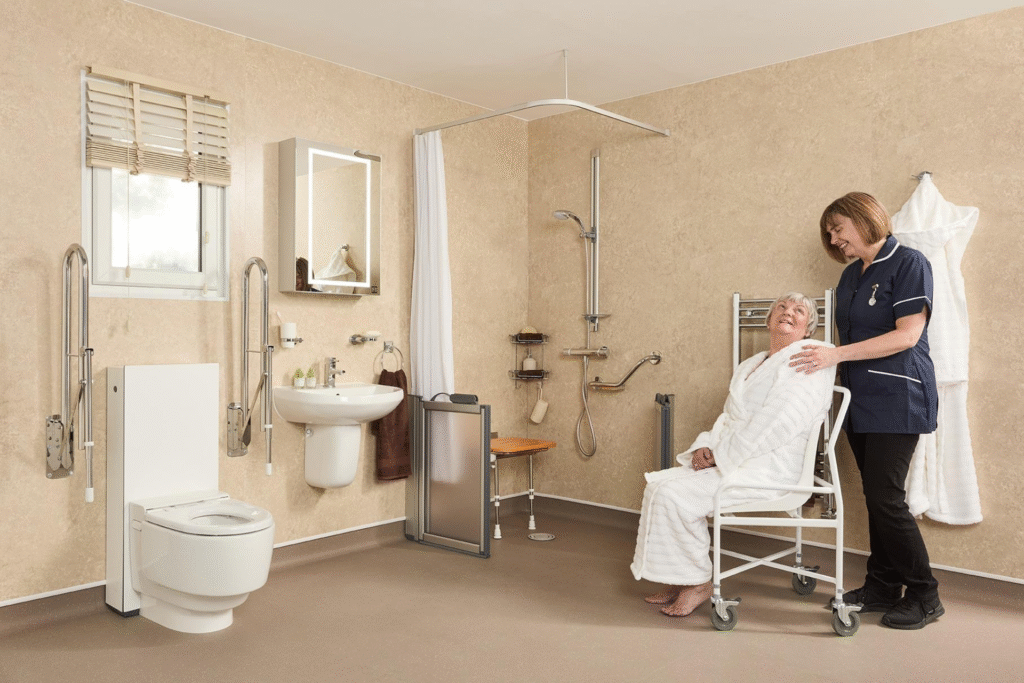
The National Disability Insurance Scheme (NDIS) is a transformative initiative designed to provide support and services to individuals with disabilities across Australia. It aims to empower participants by giving them greater control over their lives and the services they receive. The NDIS operates on the principle of individualised funding, allowing participants to choose the supports that best meet their needs.
This system not only enhances the quality of life for participants but also promotes inclusivity and independence within the community. For those looking to engage with the NDIS, it is essential to understand its structure and processes. The scheme is funded by the Australian government and is administered through local area coordinators and support coordinators who assist participants in navigating their plans.
Understanding how to access these services, what types of supports are available, and how to effectively communicate with NDIS representatives can significantly enhance the experience for both participants and their support networks. NDIS Cleaning services are essential for individuals with disabilities to maintain a clean and healthy living environment.
Key Takeaways
- The NDIS support system provides funding for individuals with disabilities to access necessary support services and resources.
- Transferable skills from private cleaning, such as attention to detail and time management, can be valuable in NDIS support roles.
- Obtaining necessary qualifications and certifications, such as a Certificate III in Individual Support, is essential for working in the NDIS support system.
- Building a network within the NDIS community can provide valuable support, resources, and opportunities for collaboration.
- Developing person-centered care plans is crucial for providing tailored support that meets the individual needs and preferences of NDIS participants.
Identifying Transferable Skills from Private Cleaning
For individuals transitioning from private cleaning services to working within the NDIS framework, recognising transferable skills is crucial. Many skills acquired in private cleaning roles can be directly applied to providing cleaning services for NDIS participants. For instance, attention to detail, time management, and effective communication are all vital in ensuring a clean and safe environment for clients.
Moreover, experience in managing cleaning supplies and adhering to safety protocols can be invaluable when working with individuals who may have specific health or mobility needs. Understanding how to tailor cleaning practices to accommodate these needs not only enhances the quality of service but also fosters trust and respect between the cleaner and the participant. This relationship is fundamental in creating a supportive environment where participants feel valued and understood.
Obtaining Necessary Qualifications and Certifications

To work effectively within the NDIS framework, obtaining the necessary qualifications and certifications is essential. While formal qualifications in cleaning may not be mandatory, having relevant certifications can enhance credibility and demonstrate a commitment to professional standards. For instance, completing a Certificate III in Cleaning Operations or similar qualifications can provide valuable knowledge about industry best practices.
Additionally, training in areas such as first aid, infection control, and safe handling of cleaning chemicals can further equip individuals to meet the diverse needs of NDIS participants. These qualifications not only ensure compliance with Australian cleaning standards but also instil confidence in clients and their families regarding the safety and hygiene of their living environments.
Building a Network within the NDIS Community
Establishing a robust network within the NDIS community is vital for anyone looking to provide services under this scheme. Networking can open doors to new opportunities, provide insights into best practices, and foster collaborations that enhance service delivery. Engaging with local support coordinators, disability service providers, and other professionals in the field can create a supportive environment where knowledge and resources are shared.
Participating in community events, workshops, and training sessions related to disability support can also help build connections. These interactions not only facilitate professional growth but also allow for a deeper understanding of the challenges faced by NDIS participants. By actively engaging with the community, individuals can position themselves as trusted providers who are genuinely invested in improving the lives of those they serve.
Developing Person-Centered Care Plans
A person-centred approach is at the heart of effective NDIS support. Developing care plans that reflect the individual needs, preferences, and goals of participants is essential for fostering independence and enhancing quality of life. This process involves active listening, empathy, and collaboration with participants to ensure that their voices are heard and respected.
When creating care plans, it is important to consider various aspects of a participant’s life, including their daily routines, personal preferences, and any specific requirements related to their disability. By tailoring services to meet these unique needs, support providers can create an environment that promotes dignity and respect. Regularly reviewing and updating care plans ensures that they remain relevant and responsive to any changes in a participant’s circumstances or preferences.
Adapting to Different Client Needs and Abilities
One of the most rewarding aspects of working within the NDIS framework is the opportunity to support individuals with diverse needs and abilities. Each participant presents unique challenges and strengths, requiring flexibility and adaptability from support providers. Understanding these differences is crucial for delivering effective services that truly meet the needs of each individual.
For instance, some clients may require assistance with mobility or have specific health concerns that necessitate a tailored approach to cleaning. Others may have sensory sensitivities that influence their preferences for cleaning products or methods. By being attuned to these variations, support providers can create a more inclusive environment that respects each participant’s individuality while ensuring their safety and comfort.
Navigating the NDIS Funding and Payment Process
Understanding the NDIS funding and payment process is essential for anyone providing services under this scheme. The funding model allows participants to allocate resources towards various supports based on their individual plans. Familiarity with how funding works can help service providers ensure they are delivering value while remaining compliant with NDIS guidelines.
Service providers must be aware of the different types of funding available, including core supports, capacity building supports, and capital supports. Each category has specific guidelines regarding what services can be funded, which means that clear communication with participants about their plans is vital. Additionally, understanding invoicing procedures and payment timelines can help streamline operations and ensure timely payments for services rendered.
Maintaining Professionalism and Ethical Standards in NDIS Support
Professionalism and ethical standards are paramount when working within the NDIS framework. Support providers must adhere to a code of conduct that prioritises respect, integrity, and accountability in all interactions with participants. This includes maintaining confidentiality regarding personal information and ensuring that all services are delivered with dignity.
Furthermore, ongoing professional development is essential for staying informed about best practices in disability support. Engaging in training sessions, workshops, or industry conferences can enhance knowledge and skills while reinforcing a commitment to ethical service delivery. By upholding high standards of professionalism, support providers can build trust with participants and their families, fostering positive relationships that contribute to overall well-being.
In conclusion, working within the NDIS framework requires a multifaceted approach that encompasses understanding the system, recognising transferable skills, obtaining necessary qualifications, building networks, developing person-centred care plans, adapting to client needs, navigating funding processes, and maintaining professionalism. By embracing these principles, individuals can make a meaningful impact on the lives of NDIS participants while contributing positively to the broader community. If you’re interested in learning more about how TASPRO can assist you or your clients with reliable cleaning services tailored for NDIS participants in Launceston (Tasmania), Victoria, or Western Australia, please don’t hesitate to reach out.
Our dedicated team is here to provide you with safe, hygienic cleaning solutions that respect privacy and promote well-being. Contact us today!
Transitioning from private cleaning to NDIS support can be a significant shift for cleaning service providers, requiring an understanding of specific client needs and compliance with NDIS standards. For those looking to expand their services in Launceston, it’s essential to consider the various cleaning options available in the area. An article that might be of interest is Office Cleaning Launceston, which provides insights into the local cleaning industry and could offer valuable information on how to adapt services to meet the demands of NDIS clients. Understanding the nuances of office cleaning can help in developing a comprehensive approach to NDIS support, ensuring that all client needs are met with professionalism and care.
FAQs
What is NDIS support?
NDIS stands for National Disability Insurance Scheme, which is a government-funded program in Australia that provides support and services to people with disabilities, their families, and carers.
What are the requirements to transition from private cleaning to NDIS support?
To transition from private cleaning to NDIS support, individuals need to undergo relevant training and obtain the necessary qualifications and certifications to provide support services to people with disabilities. They also need to register with the NDIS and comply with the scheme’s guidelines and regulations.
What are the key differences between private cleaning and NDIS support?
Private cleaning typically involves cleaning and maintaining private residences or commercial properties, while NDIS support involves providing assistance and care to people with disabilities to help them participate in community activities, develop skills, and live independently.
What are the benefits of transitioning from private cleaning to NDIS support?
Transitioning from private cleaning to NDIS support can provide individuals with the opportunity to make a meaningful difference in the lives of people with disabilities, access government funding for their services, and potentially expand their client base and business opportunities.
How can I get started with transitioning to NDIS support?
To get started with transitioning to NDIS support, individuals can research the requirements and training options for providing disability support services, seek guidance from NDIS service providers or support organizations, and consider networking with professionals in the disability support industry.