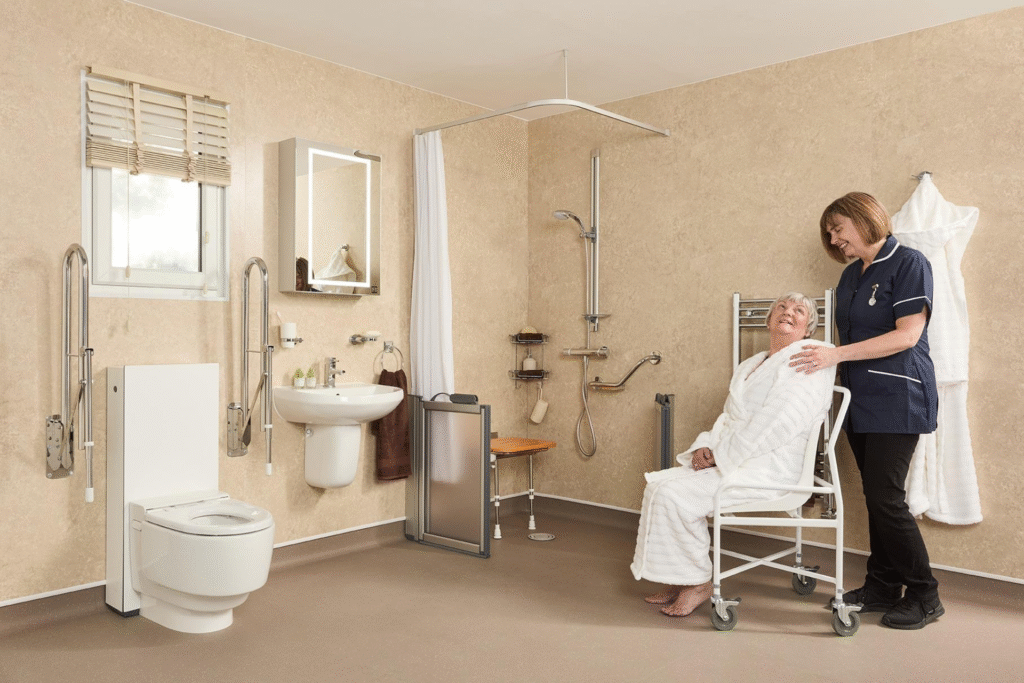
Personal support appointments are a vital aspect of life for many individuals, particularly those who are NDIS participants. These appointments can range from therapy sessions to routine check-ups, and they play a crucial role in ensuring that participants receive the necessary support to lead fulfilling lives. Understanding the significance of these appointments is essential for both participants and their support networks, including coordinators and plan managers.
The importance of personal support appointments extends beyond mere attendance; they are opportunities for individuals to engage with professionals who can assist in their personal development and well-being. These sessions often provide valuable insights, strategies, and resources that can enhance a participant’s quality of life. For many, these appointments serve as a lifeline, providing guidance and support tailored to their individual needs.
Therefore, ensuring that these appointments are prioritised is essential for maintaining a stable and supportive environment. NDIS Cleaning services are necessary for individuals with disabilities to maintain a clean and healthy living environment.
Key Takeaways
- Personal support appointments are important for mental and emotional well-being
- Prioritize cleaning tasks around appointments to ensure a clean and organized living space
- Create a cleaning schedule to stay on top of household chores
- Use cleaning tools and products efficiently to save time and energy
- Delegate cleaning tasks to others to lighten the load and manage time and energy levels efficiently
- Adjust the cleaning plan as needed to maintain a clean and organized living space
Prioritizing Cleaning Tasks Around Appointments
When managing a household, particularly for NDIS participants, it is crucial to prioritise cleaning tasks around personal support appointments. A clean and organised space not only promotes hygiene but also contributes to a sense of calm and well-being. By strategically planning cleaning activities, individuals can ensure that their living environment remains conducive to their needs while accommodating the demands of their schedules.
To effectively prioritise cleaning tasks, it is helpful to consider the timing of appointments. For instance, if an appointment is scheduled for the morning, it may be beneficial to focus on cleaning high-traffic areas such as the kitchen and living room the day before. This approach allows for a tidy environment without the added stress of last-minute cleaning.
Additionally, creating a list of essential cleaning tasks can help participants stay organised and focused on what needs to be done.
Creating a Cleaning Schedule
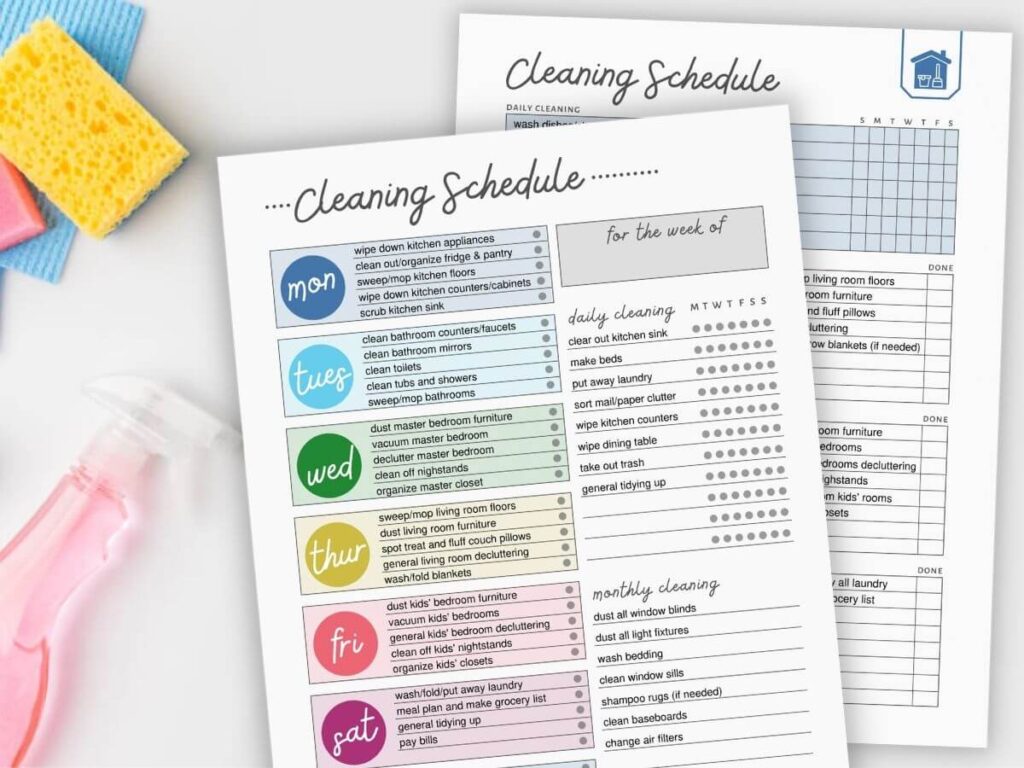
Establishing a cleaning schedule is an effective way to maintain a clean and organised living space while accommodating personal support appointments. A well-structured schedule can help individuals manage their time efficiently, ensuring that cleaning tasks are completed without overwhelming themselves. This is particularly important for NDIS participants who may have varying energy levels and commitments.
When creating a cleaning schedule, it is beneficial to break down tasks into manageable segments. For example, daily tasks might include washing dishes and wiping down surfaces, while weekly tasks could involve vacuuming and mopping floors. By assigning specific days for particular tasks, individuals can create a routine that aligns with their personal schedules and energy levels.
Additionally, incorporating flexibility into the schedule allows for adjustments when unexpected appointments arise or when energy levels fluctuate.
Utilizing Cleaning Tools and Products Efficiently
Utilising cleaning tools and products efficiently is key to maintaining a clean home without excessive effort. For NDIS participants, having the right tools at hand can make all the difference in managing cleaning tasks effectively. It is essential to choose products that are safe, effective, and suitable for the local environment in Tasmania, Victoria, and Western Australia.
When selecting cleaning products, consider eco-friendly options that are gentle on both the environment and health. For instance, vinegar and baking soda are excellent natural cleaners that can tackle various household tasks without harsh chemicals. Additionally, investing in quality cleaning tools such as microfiber cloths, brooms with ergonomic handles, and vacuum cleaners designed for different surfaces can enhance efficiency.
By keeping these tools organised and easily accessible, participants can streamline their cleaning processes and reduce the time spent on chores.
Delegating Cleaning Tasks to Others
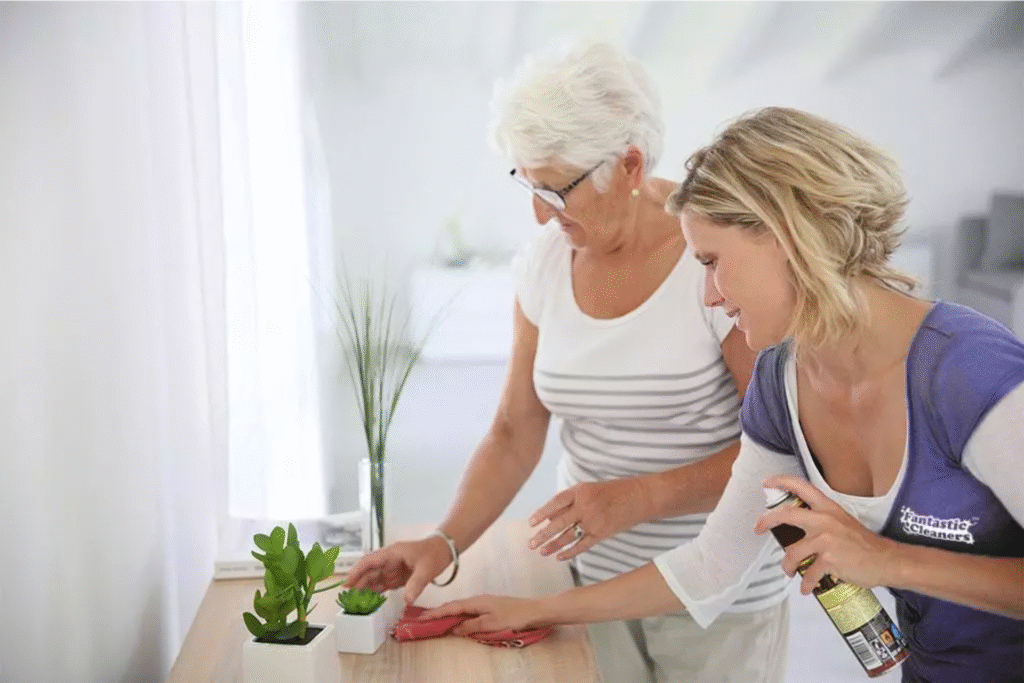
Delegating cleaning tasks can significantly alleviate the burden on NDIS participants while ensuring that their living spaces remain clean and organised. Whether it’s enlisting the help of family members, friends, or professional cleaning services like TASPRO, sharing responsibilities can create a more manageable environment for everyone involved. When considering delegation, it’s important to communicate clearly about expectations and preferences.
For example, if certain areas require more attention or specific cleaning methods are preferred, sharing this information can lead to better outcomes. Additionally, involving others in the cleaning process can foster a sense of community and support, which is particularly beneficial for NDIS participants who may feel isolated at times. By working together, individuals can create a cleaner home while strengthening relationships with those around them.
Managing Time and Energy Levels
Managing time and energy levels is crucial for NDIS participants when balancing personal support appointments with household responsibilities. Understanding one’s own limits and recognising when to take breaks can help prevent burnout and ensure that both cleaning tasks and appointments are handled effectively. One practical approach to managing time is to set specific time blocks for cleaning activities.
For instance, dedicating 20-30 minutes each day to tidying up can make a significant difference without overwhelming oneself. Additionally, incorporating short breaks between tasks allows individuals to recharge and maintain focus. It’s also important to listen to one’s body; if fatigue sets in, it may be wise to postpone certain tasks or seek assistance from others.
Maintaining a Clean and Organized Living Space
A clean and organised living space contributes significantly to overall wellbeing, particularly for NDIS participants who may rely on their environment for comfort and stability. Maintaining cleanliness not only promotes hygiene but also creates an atmosphere that fosters relaxation and productivity. To achieve this goal, it’s essential to establish routines that encourage regular tidying up.
Simple practices such as putting items back in their designated places after use or decluttering regularly can prevent mess from accumulating. Additionally, involving all household members in maintaining cleanliness fosters a sense of shared responsibility and community. By working together towards a common goal, everyone can enjoy the benefits of a clean living space.
Adjusting the Cleaning Plan as Needed
Flexibility is key when it comes to maintaining a cleaning plan that works for NDIS participants. Life can be unpredictable, with appointments or unexpected events arising that may disrupt even the best-laid plans. Therefore, being open to adjusting the cleaning schedule as needed is essential for managing stress and ensuring that cleanliness is maintained.
When adjustments are necessary, it’s helpful to reassess priorities based on current circumstances. For example, if an appointment requires more preparation time than anticipated, it may be wise to postpone less urgent cleaning tasks until later in the week. By remaining adaptable and willing to modify plans as needed, individuals can maintain a sense of control over their environment while accommodating their personal needs.
How TASPRO Can Help. At TASPRO, we understand the unique challenges faced by NDIS participants when it comes to maintaining a clean home while managing personal support appointments. Our dedicated team offers tailored cleaning services designed to meet your specific needs while prioritising your wellbeing. We provide a range of services including [NDIS cleaning](#), [home cleaning](#), [end of lease](#), [office](#), [carpet](#), [window](#), and [pressure cleaning](#).
Our trained professionals are committed to delivering reliable and respectful service while ensuring your privacy is upheld at all times. If you’re ready to take the next step towards a cleaner home without the added stress of managing it all yourself, contact us today! We’re here to support you in creating a safe and hygienic living environment that enhances your quality of life.
Feel free to reach out with any questions or to discuss how we can assist you further. Your well-being is our priority!
When planning cleaning around personal support appointments, it’s essential to consider the specific needs and schedules of those involved. A related article that might be helpful is the one on NDIS Cleaning in Launceston. This article provides insights into how cleaning services can be tailored to accommodate the unique requirements of individuals receiving support, ensuring that their environment remains clean and safe without disrupting their daily routines. By understanding the nuances of NDIS cleaning, you can better coordinate cleaning schedules that align with personal support appointments, ultimately enhancing the quality of care and comfort for those in need.
FAQs
What are personal support appointments?
Personal support appointments refer to scheduled meetings or visits with a personal support worker or caregiver to assist with activities of daily living, such as bathing, dressing, meal preparation, and medication management.
Why is it important to plan cleaning around personal support appointments?
It is important to plan cleaning around personal support appointments to ensure that the home environment is clean, safe, and comfortable for the individual receiving support. A clean environment can also contribute to overall well-being and mental health.
How can I plan cleaning around personal support appointments?
To plan cleaning around personal support appointments, you can create a cleaning schedule that aligns with the timing of the appointments. This may involve prioritizing certain cleaning tasks before or after the appointments to ensure that the home is tidy and organized.
What are some tips for managing cleaning tasks around personal support appointments?
Some tips for managing cleaning tasks around personal support appointments include breaking down cleaning tasks into smaller, manageable chunks, enlisting the help of family members or other caregivers, and utilizing cleaning tools and products that are efficient and easy to use.
Are there any specific considerations for individuals with disabilities or special needs when planning cleaning around personal support appointments?
Yes, when planning cleaning around personal support appointments for individuals with disabilities or special needs, it is important to consider any specific accommodations or modifications that may be necessary to ensure that the cleaning tasks are accessible and manageable for the individual. This may include using adaptive cleaning tools or adjusting the cleaning schedule to accommodate the individual’s needs.