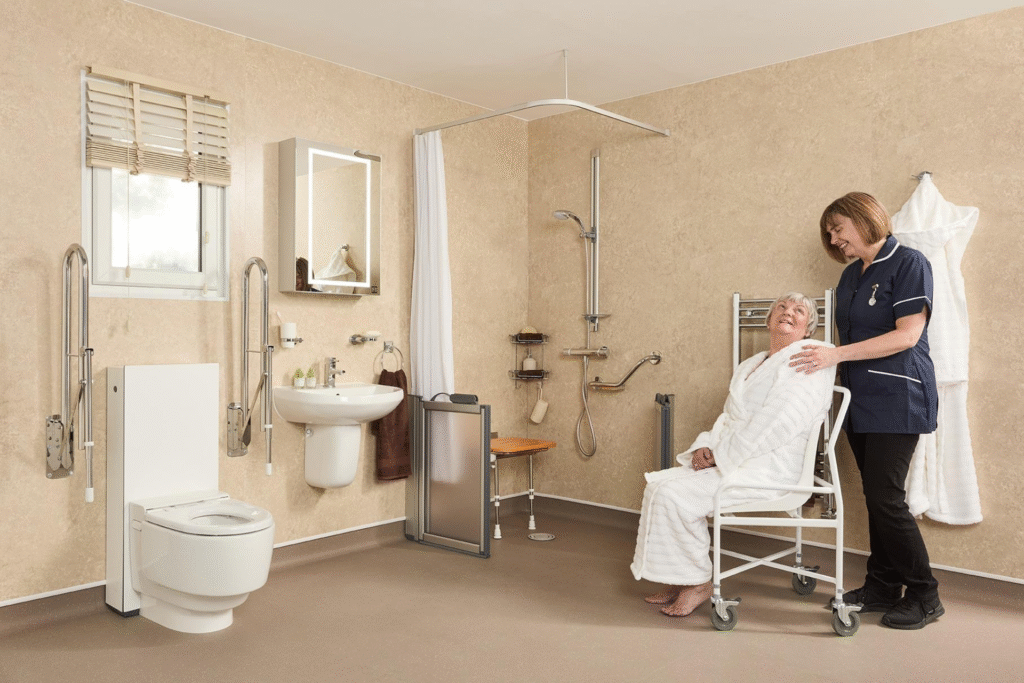
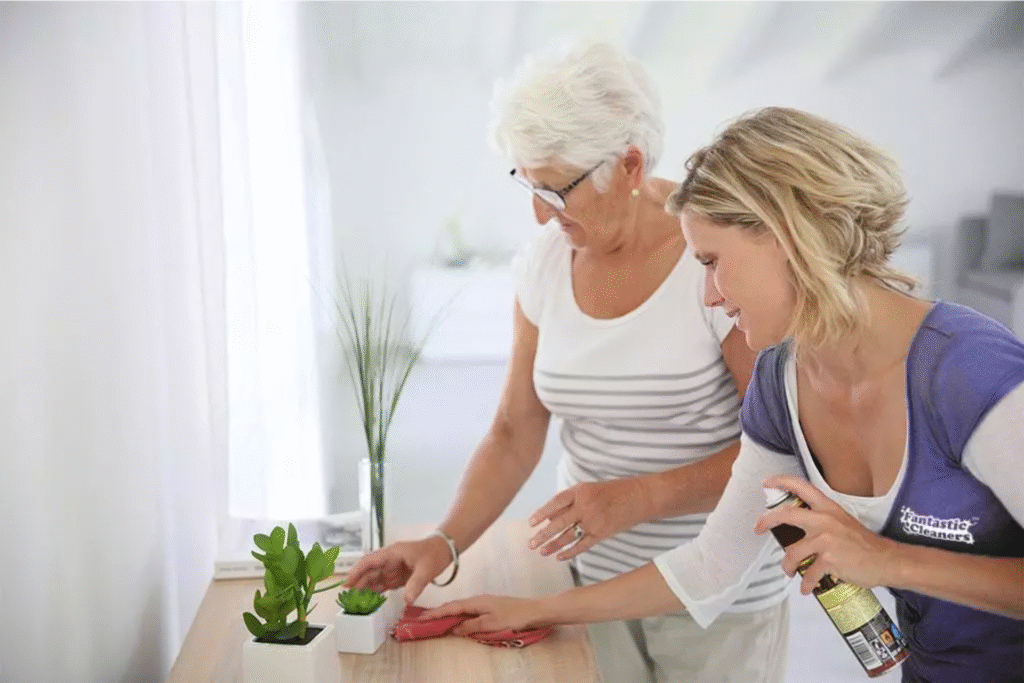
Maintaining a clean home is not just about aesthetics; it plays a crucial role in ensuring the safety and wellbeing of all occupants. A clean environment reduces the risk of accidents, such as slips and falls, and helps to prevent the spread of germs and allergens. For individuals with disabilities or those who may have compromised immune systems, a clean home is essential for their health and comfort.
Regular cleaning can significantly reduce the presence of dust, mould, and other irritants that can exacerbate respiratory issues or allergies. Moreover, a well-maintained home fosters a sense of security and peace of mind. When living in a tidy space, individuals are less likely to feel overwhelmed or anxious.
This is particularly important for NDIS participants who may require additional support in managing their living environments. A clean home not only promotes physical safety but also contributes to mental wellbeing, creating a nurturing atmosphere where individuals can thrive. NDIS Cleaning services are essential for individuals with disabilities to maintain a clean and healthy living environment.
Key Takeaways
- Proper cleaning is essential for maintaining a safe home environment
- Identifying and addressing potential hazards in the home is crucial for home safety
- Choosing the right cleaning products is important for ensuring a safe home
- Creating a cleaning schedule is key to maintaining a safe environment
- Proper storage and disposal of cleaning products is necessary for home safety
Identifying and Addressing Potential Hazards in the Home
To ensure a safe living environment, it is essential to identify potential hazards that may exist within the home. Common hazards include cluttered walkways, loose rugs, and poorly lit areas that can lead to trips and falls. It is advisable to conduct a thorough inspection of the home, paying close attention to high-traffic areas such as hallways and staircases.
By removing obstacles and ensuring that pathways are clear, you can significantly reduce the risk of accidents. In addition to physical hazards, it is important to consider environmental factors that may pose risks. For instance, damp areas can lead to mould growth, which can be harmful to health.
Regularly checking for leaks and ensuring proper ventilation can help mitigate these risks. Furthermore, keeping an eye on electrical cords and appliances is vital; frayed wires or overloaded power points can lead to fire hazards. By proactively addressing these potential dangers, you can create a safer living space for everyone.
Choosing the Right Cleaning Products for a Safe Home
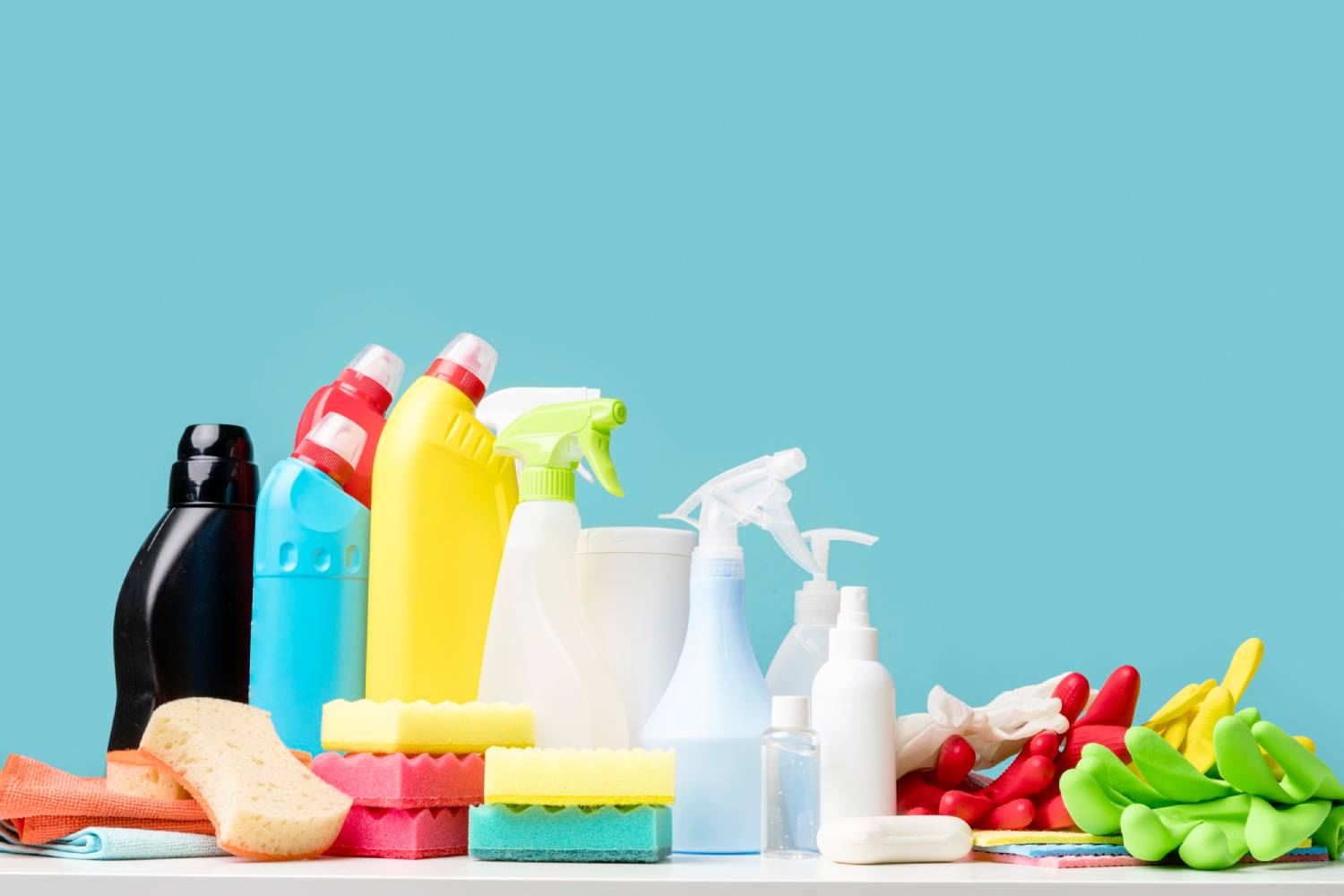
Selecting appropriate cleaning products is paramount in maintaining a safe home environment. Many conventional cleaning agents contain harsh chemicals that can be harmful if inhaled or ingested, particularly for vulnerable individuals. It is advisable to opt for eco-friendly and non-toxic cleaning solutions whenever possible.
These products are not only safer for occupants but also better for the environment. When choosing cleaning products, look for those that are specifically labelled as safe for use around children and pets. Additionally, consider products that have been certified by Australian standards for safety and efficacy.
Reading labels carefully can help you avoid ingredients that may cause allergic reactions or skin irritations. By prioritising safe cleaning products, you can ensure that your home remains a healthy space for all its inhabitants.
Creating a Cleaning Schedule to Maintain a Safe Environment
Establishing a regular cleaning schedule is an effective way to maintain a safe and hygienic home environment. A well-structured plan helps ensure that all areas of the home receive attention on a consistent basis, preventing the accumulation of dirt and grime that can lead to health hazards. Consider breaking down tasks into daily, weekly, and monthly activities to make the process more manageable.
For example, daily tasks might include wiping down kitchen surfaces and taking out the rubbish, while weekly tasks could involve vacuuming carpets and mopping floors. Monthly deep cleaning tasks might include washing windows or decluttering storage spaces. By adhering to a cleaning schedule, you not only keep your home looking its best but also create a safer environment by regularly addressing potential hazards.
Proper Storage and Disposal of Cleaning Products
Proper storage and disposal of cleaning products are critical components of maintaining a safe home. Many cleaning agents contain chemicals that can be dangerous if ingested or improperly handled. It is essential to store these products out of reach of children and pets, ideally in locked cabinets or high shelves.
Labelling containers clearly can also help prevent accidental misuse. When it comes to disposal, follow local regulations regarding hazardous waste. Many cleaning products cannot simply be thrown in the regular rubbish due to their chemical content.
Instead, look for community collection events or designated drop-off locations for hazardous materials. By ensuring that cleaning products are stored safely and disposed of correctly, you contribute to a safer environment for everyone in the household.
Tips for Safely Cleaning Different Areas of the Home
Each area of the home presents unique cleaning challenges and safety considerations. For instance, kitchens require special attention due to the presence of food particles and potential cross-contamination. Regularly sanitising countertops and kitchen utensils is essential to prevent foodborne illnesses.
Additionally, be cautious when using sharp objects like knives; always cut away from your body and use stable surfaces. Bathrooms are another area where cleanliness is paramount due to moisture levels that can promote mould growth. Use non-slip mats in the shower or bath area to prevent slips, and ensure proper ventilation to reduce humidity levels.
When cleaning these spaces, consider using gloves to protect your skin from harsh chemicals and bacteria. Living areas should also be kept tidy to prevent accidents caused by clutter. Regularly dusting surfaces can help reduce allergens in the air, while vacuuming carpets removes dirt and debris that can cause respiratory issues.
For those with mobility challenges, consider using long-handled dusters or vacuum attachments to make cleaning easier and safer.
Involving the Whole Family in Maintaining a Safe Home
Creating a safe home is a collective effort that involves all family members. Encouraging everyone to participate in cleaning tasks not only lightens the load but also fosters a sense of responsibility and teamwork. Assigning age-appropriate chores can help children learn valuable life skills while contributing to the overall cleanliness of the home.
Consider creating a chore chart that outlines specific tasks for each family member. This visual aid can serve as a reminder of responsibilities while also making it easier to track progress. Regular family meetings can also provide an opportunity to discuss any safety concerns or areas that need extra attention.
By involving everyone in maintaining a clean home, you create an environment where safety is prioritised and shared.
Seeking Professional Help for Deep Cleaning and Maintenance
While regular cleaning is essential for maintaining a safe home, there are times when professional assistance may be necessary. Deep cleaning services can address areas that are often overlooked during routine cleaning, such as carpets, upholstery, and hard-to-reach spaces. Engaging professionals ensures that these areas are thoroughly cleaned using specialised equipment and techniques.
For NDIS participants, seeking professional help can alleviate some of the burdens associated with maintaining a clean home. Many trusted NDIS cleaning companies offer tailored services that respect individual needs while prioritising safety and hygiene standards. By enlisting professional support, you can ensure that your living environment remains safe and welcoming without compromising your well-being.
In conclusion, maintaining a clean and safe home requires diligence and attention to detail. By identifying potential hazards, choosing safe cleaning products, creating schedules, involving family members, and seeking professional help when needed, you can foster an environment that promotes health and well-being for all occupants. If you’re ready to take the next step towards ensuring your home is clean and safe, contact TASPRO today!
Our dedicated team is here to assist you with all your NDIS cleaning needs in Launceston (Tasmania), Victoria, and Western Australia. Let us help you create a haven where you can thrive!
In addition to learning about how to make your home safer with proper cleaning, you might find it beneficial to explore related topics that can enhance your understanding of effective cleaning practices. For instance, the TasPro Cleaning Blog offers a wealth of information on various cleaning techniques, tips, and insights that can help you maintain a cleaner and safer home environment. This resource can provide you with additional strategies and ideas to ensure that your cleaning efforts are both efficient and effective, ultimately contributing to a healthier living space.
FAQs
What are some common household hazards that proper cleaning can help prevent?
Proper cleaning can help prevent common household hazards such as slips and falls due to wet or cluttered floors, foodborne illnesses from unclean kitchen surfaces, and respiratory issues from dust and allergens.
How can regular cleaning help improve indoor air quality?
Regular cleaning can help improve indoor air quality by removing dust, pet dander, and other allergens that can accumulate in carpets, upholstery, and on surfaces. Using a vacuum with a HEPA filter and regularly changing air filters can also help improve indoor air quality.
What are some key areas of the home that should be regularly cleaned to ensure safety?
Key areas of the home that should be regularly cleaned to ensure safety include the kitchen (to prevent foodborne illnesses), bathrooms (to prevent slips and falls), and high-traffic areas such as entryways and staircases (to prevent tripping hazards).
How can proper cleaning help prevent the spread of germs and illnesses?
Proper cleaning, including disinfecting commonly-touched surfaces such as doorknobs, light switches, and countertops, can help prevent the spread of germs and illnesses within the home. Using disinfectant products approved by health authorities can be effective in killing germs.
What are some cleaning products and tools that can help make a home safer?
Cleaning products such as disinfectant sprays, multi-surface cleaners, and antibacterial wipes can help make a home safer by killing germs and preventing the spread of illnesses. Additionally, tools such as microfiber cloths, mops, and vacuum cleaners with HEPA filters can help remove dust and allergens from surfaces and the air.