Cleaning can be a daunting task for anyone, but for individuals with mobility issues, it can present unique challenges that may feel overwhelming. Limited mobility can stem from various conditions, including physical disabilities, chronic illnesses, or age-related issues. These challenges can make it difficult to perform everyday tasks, such as bending, reaching, or lifting, which are often essential components of maintaining a clean and tidy home.
Moreover, the physical exertion required for cleaning can lead to fatigue and discomfort, further complicating the process. For many NDIS participants, the desire to maintain a clean living environment is often overshadowed by the practical difficulties they face. This can lead to feelings of frustration and helplessness, making it crucial to find effective strategies and support systems that can help alleviate these challenges. NDIS Cleaning services are essential for individuals with disabilities to maintain a clean and healthy living environment.
Key Takeaways
- Cleaning with mobility issues can be challenging and may require adaptations and support.
- Adapting cleaning tools and equipment can make tasks more manageable for individuals with mobility issues.
- Creating a cleaning schedule can help individuals with mobility issues break tasks into manageable chunks.
- Utilizing assistive devices can make cleaning tasks easier and safer for individuals with mobility issues.
- Making adjustments to the home environment, seeking help from supportive services, implementing safety measures, and maintaining a positive attitude and self-care are all important aspects of managing cleaning tasks with mobility issues.
Adapting Cleaning Tools and Equipment
One of the most effective ways to tackle cleaning challenges is by adapting cleaning tools and equipment to suit individual needs. There are numerous products available on the market designed specifically for those with mobility issues. For instance, long-handled dusters and mops can help reach high or low areas without the need for bending or stretching.
Similarly, lightweight vacuum cleaners with ergonomic designs can make the task of cleaning floors much more manageable. In addition to specialised tools, consider using cleaning products that are easy to handle and apply. Spray bottles with trigger mechanisms can reduce the strain on hands and wrists, while pre-moistened wipes can eliminate the need for carrying multiple cleaning supplies.
By investing in adaptive tools, individuals can regain a sense of independence and control over their cleaning routines.
Creating a Cleaning Schedule
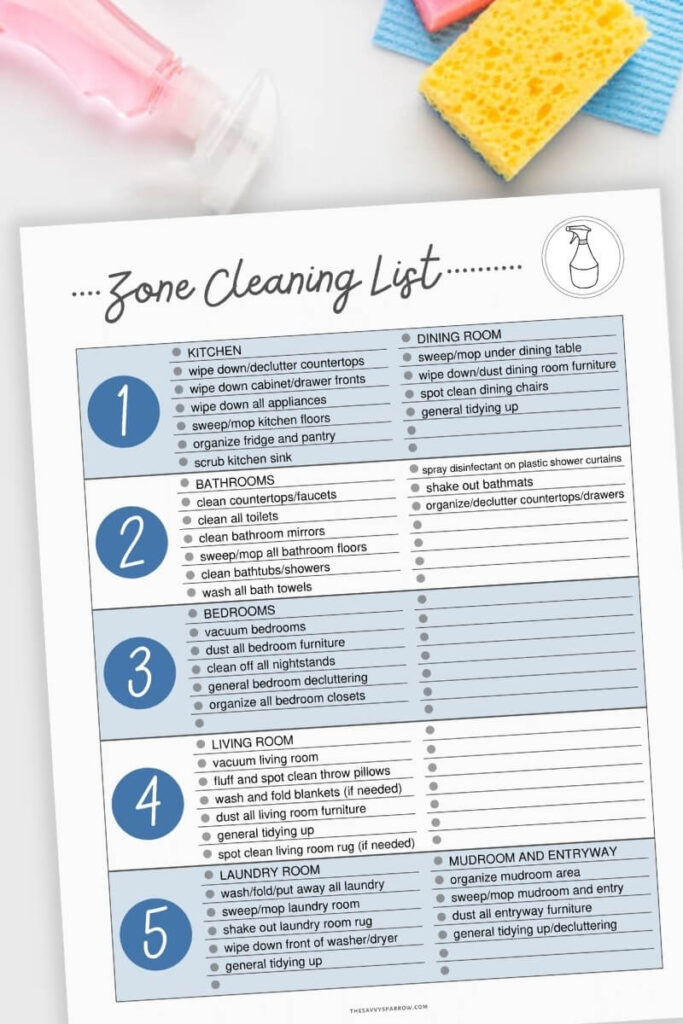
Establishing a cleaning schedule is an essential step in managing household tasks effectively. A well-structured plan can help break down cleaning duties into manageable segments, making it less overwhelming. Start by identifying which tasks need to be completed daily, weekly, or monthly.
For example, daily tasks might include washing dishes and wiping down surfaces, while weekly tasks could involve vacuuming and dusting. When creating a schedule, it’s important to consider personal energy levels and mobility limitations. For instance, if certain days are more physically demanding than others, it may be beneficial to allocate lighter cleaning tasks on those days.
Additionally, incorporating rest periods into the schedule can help prevent fatigue and ensure that cleaning remains a sustainable part of daily life.
Utilizing Assistive Devices
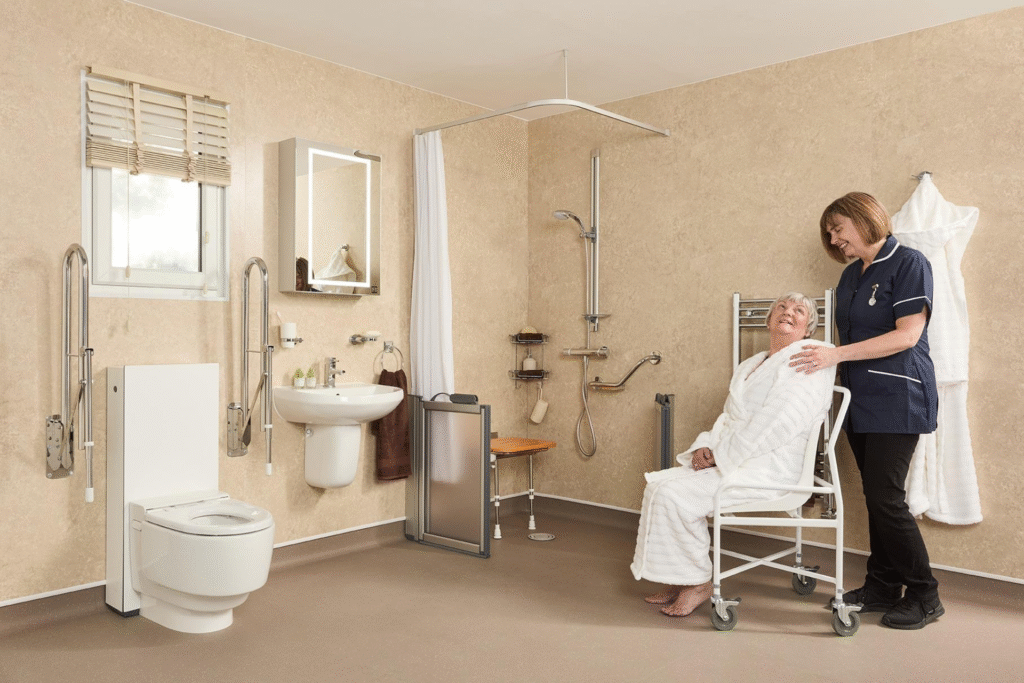
Assistive devices play a vital role in enhancing independence for individuals with mobility issues. These devices can range from simple tools to more complex equipment designed to aid in various tasks around the home. For example, grab bars installed in bathrooms can provide support while cleaning or bathing, reducing the risk of falls.
Other assistive devices include reachers or grabbers that allow individuals to pick up items without bending down or stretching. This not only makes cleaning easier but also helps maintain safety by minimising the risk of injury. By incorporating these devices into daily routines, individuals can enhance their ability to manage household tasks while ensuring their safety and well-being.
Making Adjustments to the Home Environment
Creating a home environment that is conducive to easy cleaning is essential for individuals with mobility issues. Small adjustments can make a significant difference in how manageable cleaning tasks become. For instance, decluttering spaces can reduce the number of items that need to be cleaned and make it easier to navigate through rooms.
Additionally, consider rearranging furniture to create wider pathways and improve accessibility. This not only facilitates easier movement but also allows for more efficient cleaning. Using storage solutions that are easy to access can further simplify the process; for example, placing frequently used items within reach can eliminate the need for excessive bending or stretching.
Seeking Help from Supportive Services
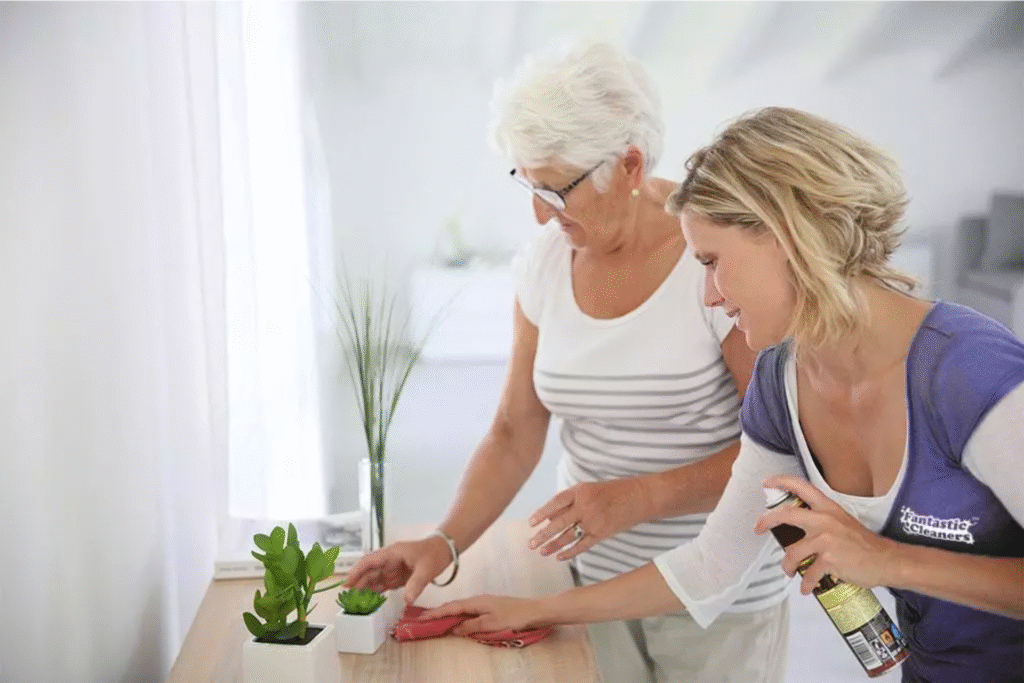
For many individuals with mobility challenges, seeking assistance from supportive services can be a game-changer. Professional cleaning services that specialise in NDIS support can provide tailored solutions that cater specifically to individual needs. These services not only ensure a clean living environment but also offer peace of mind knowing that tasks are being handled by trained professionals.
Support coordinators and plan managers can assist in connecting individuals with reputable cleaning services in their area. This collaboration ensures that participants receive the support they need while maintaining their dignity and independence. By leveraging these resources, individuals can focus on their well-being while leaving the cleaning tasks to those who are equipped to handle them.
Implementing Safety Measures
Safety should always be a top priority when it comes to cleaning, especially for individuals with mobility issues. Implementing safety measures can significantly reduce the risk of accidents and injuries during cleaning tasks. For instance, using non-slip mats in areas prone to moisture, such as kitchens and bathrooms, can help prevent slips and falls.
Additionally, ensuring that cleaning supplies are stored safely and out of reach of children or pets is crucial. Labelling products clearly can also help avoid confusion and ensure that individuals use the correct items for specific tasks. By prioritising safety measures, individuals can create a secure environment that allows them to clean confidently and independently.
Maintaining a Positive Attitude and Self-Care
While managing cleaning tasks with mobility issues can be challenging, maintaining a positive attitude is essential for overall well-being. Embracing a mindset of resilience and adaptability can make a significant difference in how individuals approach their daily routines. Celebrating small victories—such as completing a cleaning task or sticking to a schedule—can foster motivation and encourage continued effort.
Self-care is equally important in this journey. Taking time to rest and recharge is vital for maintaining physical and mental health. Engaging in activities that bring joy and relaxation can help alleviate stress associated with cleaning responsibilities.
By prioritising self-care alongside cleaning routines, individuals can cultivate a balanced lifestyle that promotes both cleanliness and personal well-being. In conclusion, navigating the challenges of cleaning with mobility issues requires thoughtful strategies and support systems. By adapting tools and equipment, creating structured schedules, utilising assistive devices, making home adjustments, seeking help from supportive services, implementing safety measures, and maintaining a positive attitude through self-care, individuals can successfully manage their cleaning responsibilities while prioritising their health and wellbeing.
For those looking for additional support in maintaining a clean living environment, TASPRO offers tailored NDIS cleaning services designed specifically for participants in Launceston (Tasmania), Victoria, and Western Australia. Our team is dedicated to providing reliable, respectful service while ensuring participant privacy and well-being. How TASPRO Can Help. At TASPRO, we understand the unique challenges faced by NDIS participants when it comes to maintaining a clean home environment.
Our professional cleaning services are designed with your needs in mind:
Tailored Cleaning Plans: We work closely with you to create a customised cleaning schedule that fits your lifestyle.
Trained Professionals: Our team is experienced in providing safe and effective cleaning solutions while respecting your privacy.
Comprehensive Services: From general home cleaning to specialised services like carpet or window cleaning, we have you covered. If you’re ready to take the next step towards a cleaner home environment with our trusted NDIS cleaning services, please don’t hesitate to contact us today! We’re here to help you maintain your independence while ensuring your home remains a safe and welcoming space.
For individuals seeking to make cleaning easier for participants with mobility issues, it’s essential to consider professional cleaning services that can alleviate the physical demands of maintaining a clean home. An article that complements this topic is the End of Lease Cleaning guide, which provides insights into comprehensive cleaning solutions. This resource can be particularly beneficial for those who require assistance with thorough cleaning tasks, ensuring that all areas are addressed without the physical strain. By exploring professional services, individuals with mobility challenges can maintain a clean and comfortable living environment with ease.
FAQs
What are some tips for making cleaning easier for participants with mobility issues?
Some tips for making cleaning easier for participants with mobility issues include using lightweight and ergonomic cleaning tools, organizing cleaning supplies in accessible locations, and breaking down cleaning tasks into smaller, manageable steps.
How can participants with mobility issues adapt their cleaning routines?
Participants with mobility issues can adapt their cleaning routines by using assistive devices such as long-handled reachers, grab bars, and shower chairs, as well as enlisting the help of family members or professional cleaners for tasks that are difficult to manage.
What are some accessible cleaning products for participants with mobility issues?
Accessible cleaning products for participants with mobility issues include lightweight vacuum cleaners, adjustable mops and brooms, easy-to-use spray bottles and cleaning solutions with pump dispensers, and microfiber cloths for easier dusting and wiping.
How can participants with mobility issues create a safe cleaning environment?
Participants with mobility issues can create a safe cleaning environment by removing tripping hazards, using non-slip mats in wet areas, securing cords and hoses, and ensuring that cleaning products are stored in labeled, easy-to-reach locations.