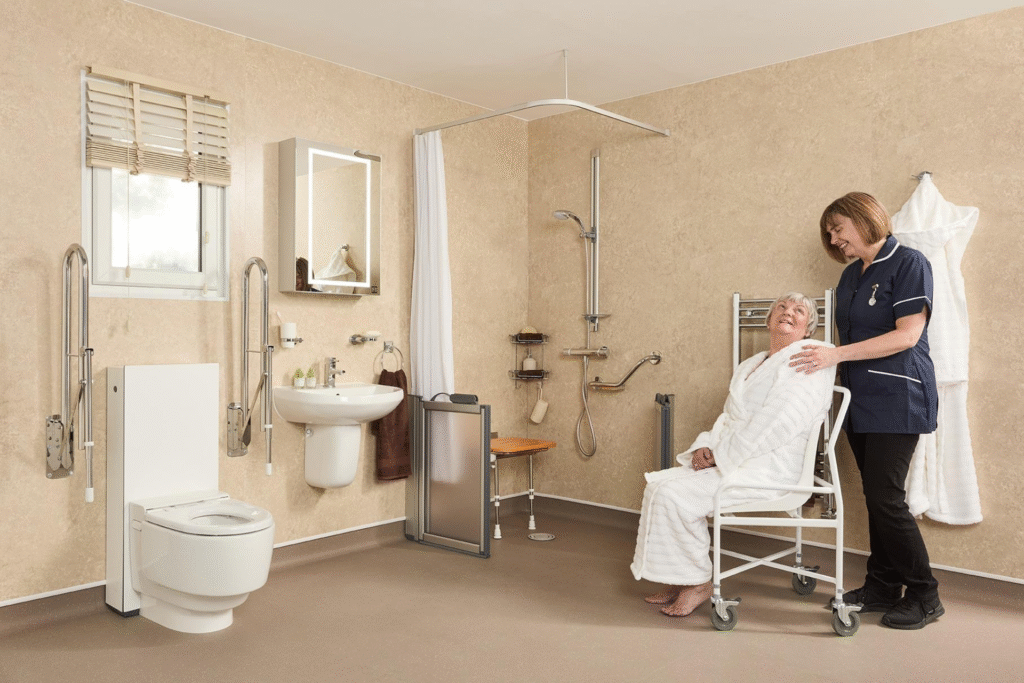
Creating a comprehensive cleaning plan is essential for maintaining a safe and hygienic environment, especially for NDIS participants. A well-structured cleaning plan not only ensures that homes are kept tidy but also promotes the overall well-being of individuals who may have specific needs. In Launceston, Tasmania, as well as in Victoria and Western Australia, the importance of cleanliness cannot be overstated.
It plays a crucial role in fostering a sense of comfort and security for participants, their families, and support coordinators. A cleaning plan serves as a roadmap that outlines the tasks required to keep a home clean and organised. It is particularly beneficial for NDIS participants who may require assistance with daily living activities.
By establishing a clear plan, everyone involved can work together to create an environment that is not only clean but also conducive to the participant’s lifestyle and preferences. This collaborative approach ensures that the cleaning process is tailored to meet individual needs while adhering to Australian cleaning standards. NDIS Cleaning services are essential for individuals with disabilities to maintain a clean and healthy living environment.
Key Takeaways
- A cleaning plan is essential for maintaining a clean and organized environment.
- Assign specific responsibilities to individuals to ensure accountability.
- Clearly communicate expectations for cleanliness and maintenance.
- Establish a regular cleaning schedule to maintain a consistent level of cleanliness.
- Provide necessary supplies and equipment to support the cleaning plan.
Assigning Responsibilities
Assigning responsibilities is a critical component of any effective cleaning plan. It is essential to identify who will be responsible for each task, whether it be the NDIS participant, their support worker, or a professional cleaning service like TASPRO. By clearly defining roles, everyone involved can understand their contributions to maintaining a clean and safe environment.
For NDIS participants, it may be beneficial to involve them in the cleaning process as much as possible. This not only fosters independence but also empowers them to take ownership of their living space. Support coordinators can assist in identifying tasks that are suitable for participants based on their abilities and preferences.
For example, some individuals may enjoy light dusting or organising their belongings, while others may prefer to focus on more manageable tasks.
Setting Clear Expectations

Setting clear expectations is vital for ensuring that everyone understands what is required in the cleaning plan. This includes outlining the specific tasks to be completed, the standards of cleanliness expected, and any particular preferences or requirements of the NDIS participant. By establishing these expectations upfront, misunderstandings can be minimised, and everyone can work towards a common goal.
It is also important to communicate the rationale behind each task. For instance, explaining why certain areas need more frequent cleaning can help participants understand the importance of hygiene and safety. This understanding can motivate them to engage more actively in the cleaning process.
Additionally, support coordinators and plan managers can facilitate discussions about expectations during regular check-ins, ensuring that everyone remains aligned throughout the cleaning journey.
Establishing a Schedule
Establishing a cleaning schedule is an effective way to ensure that tasks are completed consistently and efficiently. A well-planned schedule can help prevent overwhelming feelings that may arise from a cluttered or dirty environment. It is essential to consider the unique needs and routines of NDIS participants when creating this schedule.
When developing a cleaning schedule, it can be helpful to break down tasks into daily, weekly, and monthly categories.
For example:
| Frequency | Tasks |
| Daily | Dishes, tidying up living areas |
| Weekly | Vacuuming, bathroom cleaning |
| Monthly | Deep cleaning carpets, windows |
This table provides a clear overview of what needs to be done and when, making it easier for everyone involved to stay on track. Additionally, incorporating flexibility into the schedule allows for adjustments based on the participant’s energy levels or other commitments.
Providing Necessary Supplies
Having the right supplies on hand is crucial for effective cleaning. It is essential to ensure that all necessary cleaning products and equipment are readily available and safe for use by NDIS participants. This not only promotes efficiency but also enhances safety during the cleaning process.
When selecting cleaning supplies, it is important to consider eco-friendly options that are suitable for individuals with sensitivities or allergies. For instance, using non-toxic cleaners can help create a healthier living environment. Additionally, providing tools that are easy to use can empower participants to take an active role in their cleaning routine.
Items such as lightweight vacuum cleaners or ergonomic mops can make a significant difference in their ability to maintain cleanliness.
Communication and Feedback
Open communication is key to the success of any cleaning plan. Regular check-ins between NDIS participants, support coordinators, and cleaning staff can help ensure that everyone is on the same page regarding expectations and responsibilities. This ongoing dialogue allows for adjustments to be made as needed and fosters a sense of collaboration.
Feedback is also an essential component of effective communication. Encouraging participants to share their thoughts on the cleaning process can provide valuable insights into what is working well and what may need improvement. This feedback loop not only enhances the quality of the cleaning service but also empowers participants by giving them a voice in their own care.
Flexibility and Adaptability
Flexibility and adaptability are crucial elements of any successful cleaning plan. Life can be unpredictable, and circumstances may change that require adjustments to the established routine. Being open to change allows for a more personalised approach that meets the evolving needs of NDIS participants.
For instance, if a participant experiences a change in their health or energy levels, it may be necessary to modify the cleaning schedule or responsibilities accordingly. Support coordinators should remain attuned to these changes and work collaboratively with participants to ensure that their cleaning plan continues to serve them effectively. This adaptability not only enhances participant well-being but also reinforces the importance of a supportive network.
Celebrating Successes
Celebrating successes, no matter how small, is an important aspect of maintaining motivation and morale throughout the cleaning process. Acknowledging achievements can foster a sense of accomplishment for NDIS participants and encourage them to continue engaging in their cleaning routines. Support coordinators and plan managers can play a vital role in recognising these successes by providing positive reinforcement and encouragement.
Whether it’s completing a particularly challenging task or simply maintaining a clean space for an extended period, celebrating these milestones can boost confidence and promote ongoing participation in the cleaning plan. How TASPRO Can Help At TASPRO, we understand the unique needs of NDIS participants and are committed to providing reliable and respectful cleaning services tailored to individual requirements. Our team prioritises participant wellbeing while adhering to Australian cleaning standards, ensuring that homes are safe and hygienic environments.
Next steps with TASPRO include:
1. Contact Us: Reach out via our website or phone to discuss your specific needs.
2. Consultation: We will arrange a consultation to understand your requirements better.
3. Customised Cleaning Plan: Together, we will develop a tailored cleaning plan that aligns with your preferences.
4. Ongoing Support: Our team will provide regular updates and check-ins to ensure satisfaction with our services. If you’re looking for a trusted partner in maintaining cleanliness and hygiene in your home, we invite you to contact us today!
Let’s work together to create a safe and welcoming environment for you or your loved one.
Creating a cleaning plan that works for multiple participants can be a challenging task, but with the right strategies, it can lead to a more efficient and harmonious environment. A related article that might be of interest is about office cleaning services, which often require coordination among various team members to ensure a clean and organized workspace. For more insights on how professional cleaning services manage such tasks, you can check out this article on office cleaning in Launceston. This resource provides valuable information on how professional teams handle cleaning schedules and responsibilities, which can be adapted for personal or smaller group cleaning plans.
FAQs
What is a cleaning plan?
A cleaning plan is a schedule or system for dividing cleaning tasks among multiple participants to maintain a clean and organized living or working space.
Why is a cleaning plan important for multiple participants?
A cleaning plan is important for multiple participants because it helps to distribute cleaning responsibilities fairly, ensures that all necessary tasks are completed, and promotes a clean and comfortable environment for everyone involved.
What are some tips for making a cleaning plan work for multiple participants?
Some tips for making a cleaning plan work for multiple participants include clearly defining responsibilities, establishing a regular schedule, communicating effectively, and being flexible and accommodating to individual needs and preferences.
How can communication be improved when implementing a cleaning plan for multiple participants?
Communication can be improved by holding regular meetings to discuss the cleaning plan, using a shared calendar or task management system, and being open to feedback and suggestions from all participants.
What are the benefits of a cleaning plan for multiple participants?
The benefits of a cleaning plan for multiple participants include a more organized and efficient cleaning process, reduced conflict and resentment over cleaning responsibilities, and a cleaner and more enjoyable living or working environment for everyone involved.