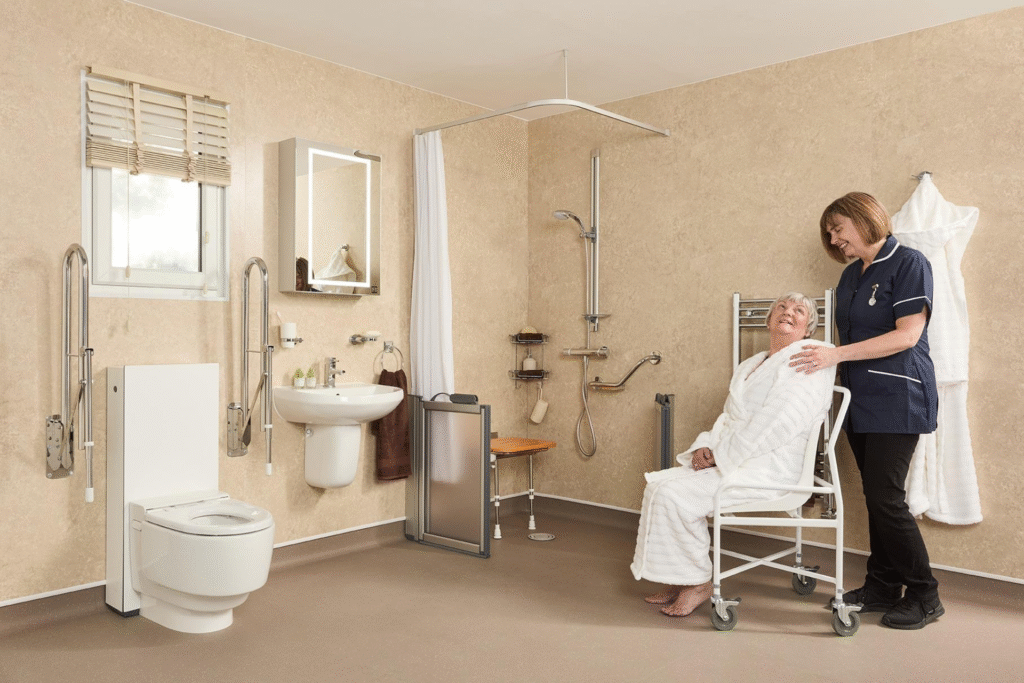
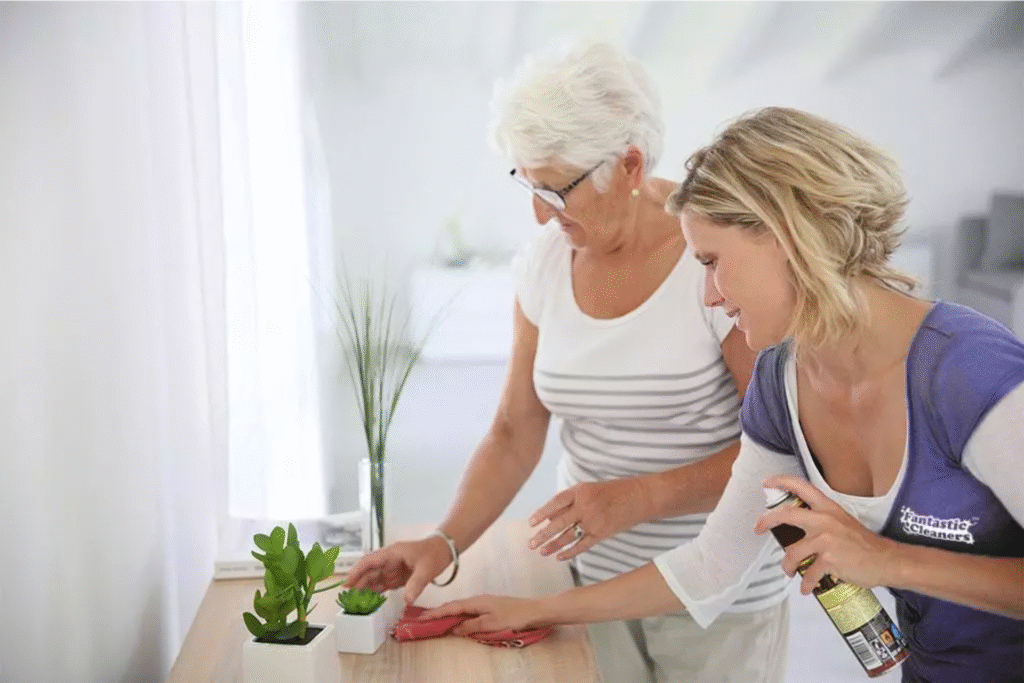
In our daily lives, we often overlook the surfaces we touch most frequently. High-touch points are those areas that come into contact with our hands regularly, such as doorknobs, light switches, and countertops. In both homes and workplaces, these surfaces can harbour germs and bacteria, making them critical areas for cleaning and disinfecting.
Understanding the significance of high-touch points is essential for maintaining a healthy environment, especially in the context of Australia’s diverse climate and lifestyle. As we navigate through our busy lives, it’s easy to forget that these seemingly innocuous surfaces can be breeding grounds for pathogens. With the rise of awareness around hygiene, particularly in light of recent global health events, the importance of cleaning high-touch points has never been more pronounced.
Whether you’re a homeowner, renter, property manager, or run a small office, recognising and addressing these areas can significantly impact overall health and well-being. Contact us now!
Key Takeaways
- High-touch points are surfaces or areas that are frequently touched by multiple people, making them potential hotspots for germs and bacteria.
- It is important to clean high-touch points regularly to prevent the spread of illness and maintain a healthy environment.
- Common high-touch points in homes and workplaces include doorknobs, light switches, countertops, and electronic devices.
- Choosing the right cleaning products, such as disinfectants and antibacterial wipes, is crucial for effectively cleaning high-touch points.
- Proper cleaning techniques, such as using disposable gloves and following product instructions, are essential for effectively cleaning high-touch points.
Why it’s Important to Clean High-Touch Points
Cleaning high-touch points is not just about aesthetics; it’s about safeguarding health. These surfaces are often the first point of contact for germs that can lead to illness. In Australia, where we enjoy a vibrant outdoor lifestyle, the last thing anyone wants is to bring home unwanted germs from a day out.
Regularly cleaning these areas helps reduce the risk of spreading infections, particularly during flu season or in communal living situations. Moreover, for property managers and landlords, maintaining cleanliness in high-touch areas is crucial for tenant satisfaction and retention. A clean environment reflects professionalism and care, which can enhance the reputation of your property.
For small offices, ensuring that high-touch points are regularly cleaned can lead to fewer sick days and a more productive workforce. It’s a win-win situation that benefits everyone involved.
Identifying High-Touch Points in Your Home or Workplace
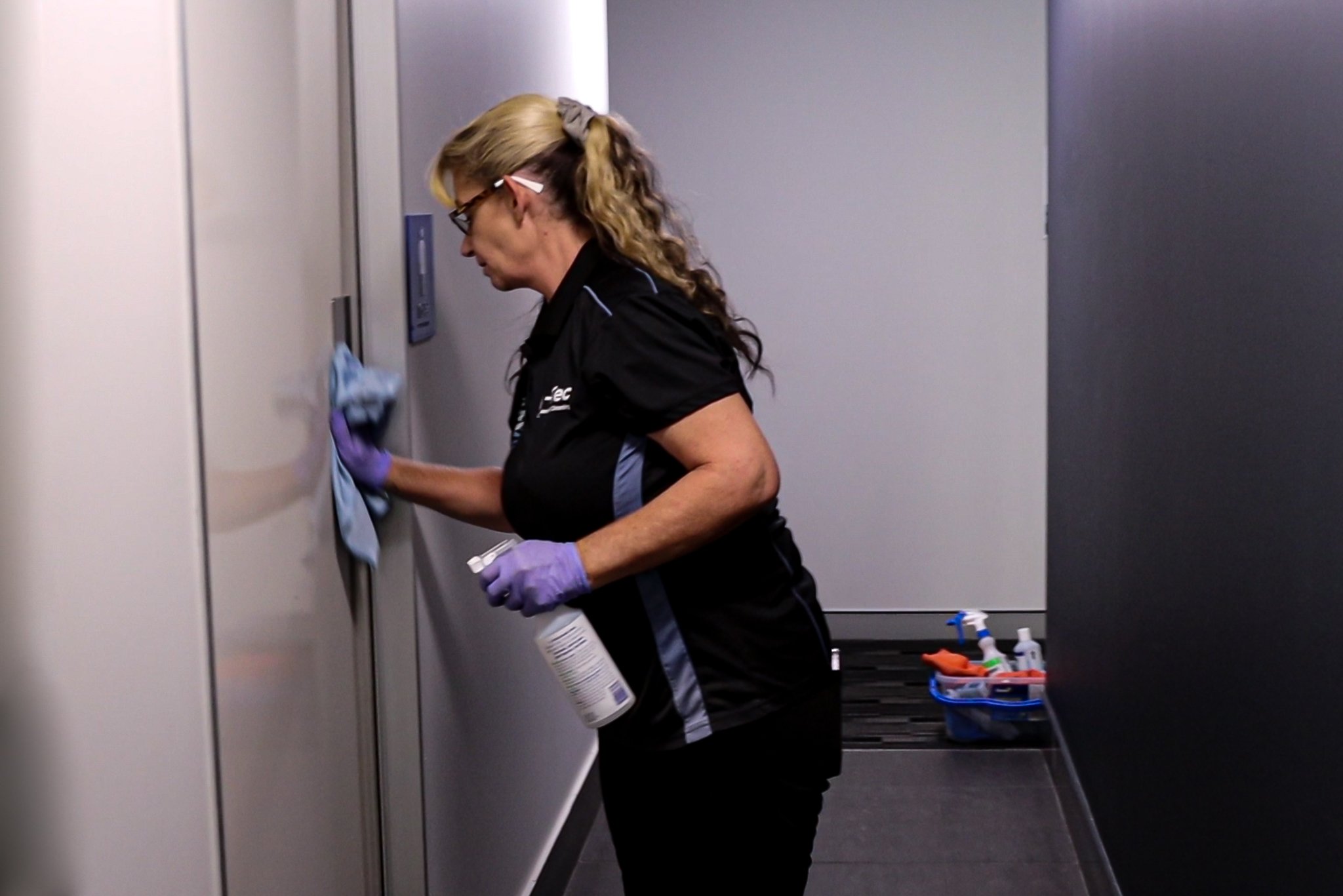
Identifying high-touch points is the first step in establishing an effective cleaning routine. In a typical home, these areas include doorknobs, cabinet handles, light switches, remote controls, and kitchen countertops. In bathrooms, taps, toilet flush handles, and sink areas are also significantly high-touch points.
In workplaces, the list expands to include shared equipment like printers, telephones, and communal kitchen areas. It’s essential to take a moment to assess your environment and make a comprehensive list of these surfaces. By doing so, you can ensure that no area is overlooked during your cleaning routine.
Choosing the Right Cleaning Products for High-Touch Points
Selecting appropriate cleaning products is vital for effectively sanitising high-touch points without causing harm to surfaces or individuals. In Australia, there are numerous eco-friendly options available that are both effective and safe for use around children and pets. Look for products that are specifically designed for disinfecting surfaces and are compliant with Australian standards.
When choosing cleaning products, consider those that have been tested against common pathogens. While it’s tempting to reach for harsh chemicals, many eco-friendly alternatives can achieve the same results without compromising safety. Always read labels carefully to ensure that the product is suitable for the surfaces you intend to clean.
Proper Techniques for Cleaning High-Touch Points
Cleaning high-touch points requires more than just a quick wipe-down; it demands a systematic approach to ensure thorough sanitisation. Start by dusting surfaces to remove any loose debris before applying your chosen cleaning product. Use a clean cloth or disposable wipes to apply the disinfectant, ensuring that you cover the entire surface area.
For optimal results, allow the disinfectant to sit on the surface for the recommended contact time before wiping it away. This step is crucial as it allows the product to effectively kill germs and bacteria. Remember to use separate cloths for different areas—kitchen cloths should not be used in bathrooms and vice versa—to prevent cross-contamination.
Creating a Cleaning Schedule for High-Touch Points

Establishing a cleaning schedule is essential for maintaining cleanliness in high-touch areas. Depending on your lifestyle and environment, you may need to clean these points daily or several times a week. For instance, in a busy household with children or pets, daily cleaning may be necessary to keep germs at bay.
For workplaces, consider implementing a routine that includes cleaning high-touch points at the start and end of each day. This practice not only ensures cleanliness but also sets a standard for employees regarding hygiene expectations. A well-structured schedule can help everyone stay accountable and maintain a clean environment.
Tips for Maintaining Clean High-Touch Points
Maintaining clean high-touch points goes beyond just regular cleaning; it involves creating habits that promote cleanliness throughout your home or workplace. Encourage family members or colleagues to wash their hands frequently and use hand sanitiser when entering shared spaces. In addition to regular cleaning, consider placing reminders near high-touch areas to encourage everyone to be mindful of hygiene practices.
Simple actions like using foot pedals for bins or installing touchless faucets can significantly reduce contact with potentially contaminated surfaces.
Importance of Regularly Disinfecting High-Touch Points
While cleaning removes dirt and grime, disinfecting is crucial for eliminating harmful pathogens that can linger on surfaces. Regularly disinfecting high-touch points helps create a safer environment by reducing the risk of illness transmission. In Australia’s climate, where outdoor activities are prevalent, it’s especially important to maintain high hygiene standards indoors.
For those involved in property management or running small offices, emphasising regular disinfection can lead to healthier tenants or employees. It’s not just about compliance; it’s about fostering a culture of care and responsibility towards health and wellbeing.
How to Encourage Others to Help Keep High-Touch Points Clean
Encouraging others to participate in maintaining cleanliness can be challenging but rewarding. Start by leading by example—demonstrate proper cleaning techniques and share the importance of keeping high-touch points clean. Consider implementing a shared responsibility system where everyone takes turns cleaning specific areas or contributes to a communal cleaning day.
This approach not only fosters teamwork but also instills a sense of pride in maintaining a clean environment.
Common Mistakes to Avoid When Cleaning High-Touch Points
When it comes to cleaning high-touch points, there are several common pitfalls to avoid. One major mistake is using the same cloth for multiple surfaces without washing it in between uses; this can lead to cross-contamination and spread germs rather than eliminate them. Another mistake is not allowing disinfectants enough time to work effectively before wiping them away.
Always follow the manufacturer’s instructions regarding contact time for optimal results. Lastly, neglecting less obvious high-touch points—like light switches or remote controls—can leave gaps in your cleaning routine.
Conclusion and Final Thoughts on Keeping High-Touch Points Clean
In conclusion, maintaining clean high-touch points is essential for promoting health and well-being in our homes and workplaces. By understanding their significance, identifying them effectively, choosing the right products, and employing proper techniques, we can create safer environments for ourselves and those around us. At TASPRO Cleaning Services, we understand the importance of cleanliness in every aspect of life—from homes to offices and everything in between.
Our professional team is equipped with the knowledge and tools necessary to ensure your high-touch points are thoroughly cleaned and disinfected according to Australian standards. If you’re ready to take the next step towards a cleaner environment, get in touch with us today for a quote online! Let us help you maintain a safe and healthy space for you and your loved ones or colleagues.
When it comes to maintaining a clean and healthy environment, understanding how to effectively clean high-touch points is crucial. These areas, frequently touched by multiple people, can harbor germs and bacteria, making regular cleaning essential. For more detailed information on cleaning practices and frequently asked questions, you can refer to a related article on the topic by visiting this FAQ page. This resource provides valuable insights into various cleaning techniques and tips to ensure your space remains hygienic and safe.
FAQs
What are high-touch points?
High-touch points are surfaces or areas that are frequently touched by multiple people, such as door handles, light switches, countertops, and electronic devices.
Why is it important to clean high-touch points?
Cleaning high-touch points is important because these areas can harbor a high concentration of germs and bacteria, which can easily spread from person to person through touch. Regular cleaning of high-touch points can help reduce the risk of illness and infection.
How often should high-touch points be cleaned?
High-touch points should be cleaned regularly, ideally several times a day in high-traffic areas or in environments where there is a higher risk of contamination. It’s important to establish a cleaning schedule and adhere to it consistently.
What are the best cleaning products for high-touch points?
The best cleaning products for high-touch points are disinfectants that are effective against a broad spectrum of germs and viruses. Look for products that are approved by health authorities and follow the manufacturer’s instructions for proper use.
What is the proper way to clean high-touch points?
To clean high-touch points, start by removing any visible dirt or debris with a cleaning cloth or disposable wipe. Then, apply a disinfectant to the surface and allow it to sit for the recommended contact time before wiping it clean. Be sure to follow the product’s instructions for safe and effective use.
Are there any additional measures to consider when cleaning high-touch points?
In addition to regular cleaning, it’s important to encourage good hand hygiene practices, such as frequent handwashing and the use of hand sanitizer. It’s also helpful to promote awareness of high-touch points and encourage individuals to be mindful of their interactions with these surfaces.