Toilet bowls can be a breeding ground for various types of stains, each with its own unique characteristics and challenges. Understanding these stains is the first step in effectively tackling them. The most common culprits include hard water stains, rust, mildew, and organic matter like urine and faeces.
Hard water stains, often a result of mineral deposits from tap water, can create unsightly rings and discolouration around the bowl. These stains are particularly prevalent in areas with high mineral content in the water supply, which is common in many parts of Australia. Rust stains, on the other hand, typically arise from corroded pipes or fixtures.
They can be particularly stubborn and may require specific cleaning methods to remove. Mildew and mould stains are often found in damp areas, thriving in the moist environment of a toilet bowl. These stains not only look unpleasant but can also pose health risks if left untreated.
Lastly, organic stains from urine and faeces can lead to unsightly discolouration and unpleasant odours. Understanding these different types of stains will help you choose the right cleaning approach for your toilet bowl. Contact us now!
Key Takeaways
- Different types of toilet bowl stains include hard water stains, rust and mineral deposits, mildew and mold stains, and urine and fecal stains.
- Natural cleaning solutions like vinegar, baking soda, and lemon juice can effectively remove toilet bowl stains without harsh chemicals.
- When choosing commercial cleaning products, look for those specifically designed to target the type of stain you are dealing with.
- A step-by-step guide to cleaning toilet bowl stains includes emptying the bowl, applying the cleaning solution, scrubbing with a toilet brush, and flushing.
- To prevent future stains, consider using a toilet bowl cleaner regularly, keeping the toilet bowl dry, and addressing any plumbing issues that may be causing stains.
Using Natural Cleaning Solutions to Remove Stains
For those who prefer a more eco-friendly approach to cleaning, natural solutions can be highly effective in removing toilet bowl stains. Common household items like vinegar, baking soda, and lemon juice can work wonders without the harsh chemicals found in many commercial products. For instance, vinegar is a powerful natural disinfectant that can dissolve mineral deposits and hard water stains.
Simply pouring a cup of vinegar into the bowl and letting it sit for a while can significantly reduce staining. Baking soda is another fantastic option, especially when combined with vinegar. This dynamic duo creates a fizzing reaction that helps lift stubborn stains.
Sprinkle some baking soda into the bowl, followed by vinegar, and watch as the mixture bubbles away, breaking down grime and stains. Lemon juice not only adds a fresh scent but also has natural bleaching properties that can help brighten discoloured areas. These natural solutions are not only effective but also safe for your family and the environment, making them an excellent choice for regular toilet maintenance.
Choosing the Right Commercial Cleaning Products
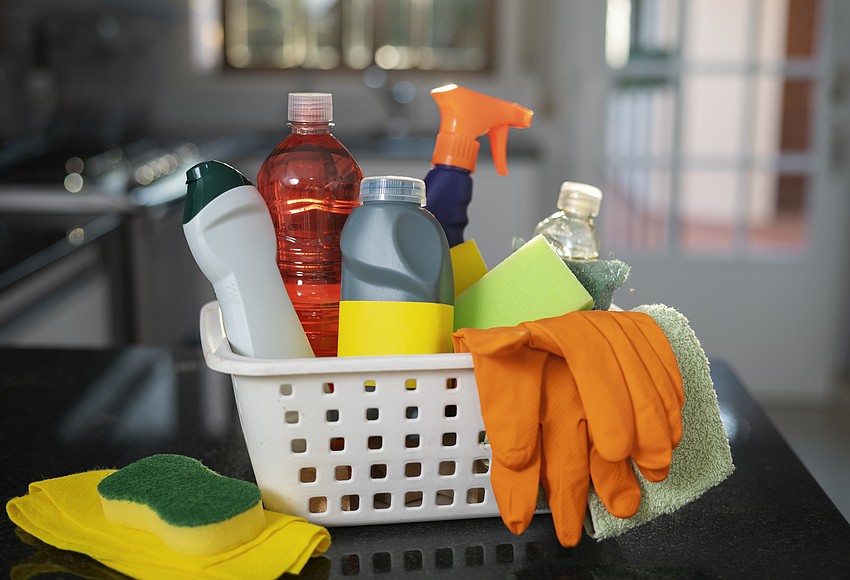
While natural solutions are great for regular maintenance, there are times when tougher stains require commercial cleaning products. When selecting a product, it’s essential to consider the specific type of stain you’re dealing with. For hard water stains, look for products specifically designed to combat mineral deposits.
Many brands offer toilet bowl cleaners that contain acids like hydrochloric or citric acid, which can effectively dissolve these stubborn stains. For rust stains, opt for a cleaner that contains oxalic acid or other rust-removing agents. Always read the label to ensure the product is safe for your toilet’s material and plumbing system.
Additionally, consider eco-friendly options that are biodegradable and free from harsh chemicals. Many Australian brands now offer environmentally friendly cleaning solutions that are just as effective as traditional products but with less impact on the planet. By choosing the right commercial cleaning products, you can ensure a thorough clean while being mindful of safety and environmental concerns.
Step-by-Step Guide to Cleaning Toilet Bowl Stains
Cleaning toilet bowl stains doesn’t have to be a daunting task if you follow a systematic approach. Start by gathering your cleaning supplies: a toilet brush, rubber gloves, a bucket, and your chosen cleaning solution—whether it’s a natural remedy or a commercial product. Begin by flushing the toilet to wet the sides of the bowl, which will help loosen any debris.
Next, apply your cleaning solution generously around the inside of the bowl, focusing on stained areas. If you’re using a commercial cleaner, allow it to sit for the recommended time on the label—usually around 10-15 minutes—to let it penetrate the stains effectively. For natural solutions like vinegar and baking soda, let them sit for at least 30 minutes to maximise their cleaning power.
After allowing the cleaner to work its magic, take your toilet brush and scrub vigorously, paying special attention to stained areas. Make sure to reach under the rim and into any crevices where grime may accumulate. Once you’ve scrubbed thoroughly, flush the toilet to rinse away any remaining cleaner and debris.
For persistent stains, you may need to repeat this process or try a different cleaning solution.
Tips for Preventing Future Stains
Prevention is always better than a cure when it comes to maintaining a clean toilet bowl. One of the simplest ways to prevent future stains is by regularly cleaning your toilet at least once a week. This routine will help keep stains at bay and make deep cleaning sessions less frequent and easier.
Another effective tip is to use a toilet bowl cleaner tablet that dissolves slowly over time. These tablets can help prevent mineral build-up and keep your toilet fresh between cleanings. Additionally, consider installing a water softener if you live in an area with hard water; this can significantly reduce mineral deposits in your plumbing system.
Lastly, encourage good habits among household members or tenants if you’re managing rental properties. Remind everyone to flush after each use and avoid flushing non-biodegradable items that can lead to clogs and staining. By implementing these preventive measures, you’ll maintain a cleaner toilet bowl with minimal effort.
Dealing with Hard Water Stains
Hard water stains can be particularly frustrating due to their stubborn nature. These stains often appear as white or cloudy rings around the bowl and are caused by mineral deposits left behind when water evaporates. In Australia, where hard water is common in many regions, tackling these stains requires specific strategies.
One effective method is to use a pumice stone gently on the stained areas after applying your chosen cleaner. The pumice stone can help scrub away tough deposits without scratching the porcelain surface of your toilet bowl. Alternatively, consider using a commercial cleaner specifically formulated for hard water stains; these products often contain acids that break down mineral deposits effectively.
For ongoing maintenance, consider using a weekly cleaning routine that includes vinegar or a dedicated hard water stain remover. Regularly treating your toilet bowl will help prevent these unsightly stains from forming in the first place.
Removing Rust and Mineral Deposits
Rust stains can be particularly unsightly and are often caused by corroded pipes or fixtures within your plumbing system. To effectively remove rust from your toilet bowl, start by applying a rust remover specifically designed for toilets or using natural alternatives like baking soda mixed with vinegar. Apply your chosen solution directly onto the rust stain and let it sit for at least 30 minutes to allow it to penetrate deeply into the stain.
Afterward, scrub with a toilet brush or pumice stone until the rust begins to lift away. Rinse thoroughly by flushing the toilet to remove any residue. To prevent future rust stains, inspect your plumbing regularly for signs of corrosion or leaks.
If you notice any issues, it may be time to consult a plumber to address potential problems before they worsen.
Tackling Stubborn Mildew and Mold Stains
Mildew and mould thrive in damp environments like toilets, making them common nuisances in many households. These stains not only look unappealing but can also pose health risks if left untreated. To tackle mildew and mould effectively, start by applying a mixture of equal parts vinegar and water directly onto the affected areas.
Allow this solution to sit for about 15-20 minutes before scrubbing with a toilet brush or sponge. For particularly stubborn mould or mildew, consider using a commercial mould remover that is safe for use in toilets. Always follow the manufacturer’s instructions for best results.
To prevent future growth of mildew and mould, ensure proper ventilation in your bathroom by using exhaust fans or opening windows when possible. Regularly cleaning your toilet will also help keep these unwanted guests at bay.
Addressing Urine and Fecal Stains
Urine and fecal stains can be some of the most challenging to remove due to their organic nature and potential for odour. To effectively clean these types of stains, start by applying an enzymatic cleaner specifically designed for breaking down organic matter. These cleaners work by using enzymes to digest waste materials, making them highly effective against urine and faecal stains.
Apply the enzymatic cleaner generously to the stained area and allow it to sit for at least 30 minutes before scrubbing with a toilet brush. For persistent odours or stains, you may need to repeat this process or consider using a commercial product designed for tough organic stains. To prevent future occurrences of urine or faecal stains, encourage proper hygiene practices among household members or tenants if you manage rental properties.
Regularly cleaning your toilet will also help maintain its appearance and prevent staining from becoming an issue.
Maintaining a Clean and Fresh Toilet Bowl
Maintaining a clean and fresh toilet bowl requires consistent effort but pays off in terms of hygiene and aesthetics. Establishing a regular cleaning schedule is key; aim for at least once a week for general maintenance, with deeper cleans every month or as needed based on usage. Incorporating preventative measures, such as using toilet bowl cleaner tablets, can also help keep your toilet fresh between cleanings.
Additionally, consider using an air freshener or essential oils in your bathroom to combat any lingering odours. Regularly inspecting your toilet for signs of wear or damage is also essential; addressing issues promptly can prevent more significant problems down the line. By staying proactive about maintenance, you’ll ensure your toilet remains clean and inviting for all who use it.
Professional Cleaning Services for Tough Stains
Sometimes, despite our best efforts, certain stains may prove too stubborn for DIY methods alone. In such cases, enlisting professional cleaning services can be an excellent solution. Companies like TASPRO offer specialised cleaning services tailored to tackle tough toilet bowl stains effectively.
Professional cleaners have access to advanced tools and products that can penetrate deep into stains without damaging your fixtures. They also bring expertise in identifying specific types of stains and applying appropriate treatments for optimal results. If you’re facing persistent staining issues or simply want peace of mind knowing your toilets are cleaned thoroughly, consider reaching out to TASPRO for assistance.
Our team is equipped to handle even the toughest challenges while ensuring safety and professionalism throughout the process. In conclusion, maintaining a clean toilet bowl doesn’t have to be an overwhelming task when armed with knowledge and effective strategies. Whether you choose natural solutions or commercial products, understanding how to tackle various types of stains will empower you to keep your toilets looking their best.
Ready to take control of your toilet bowl cleanliness? Get a quote online today from TASPRO!
If you’re looking for comprehensive cleaning solutions beyond just tackling toilet bowl stains, you might find the article on bond cleaning in Launceston particularly useful. This article provides insights into thorough cleaning services that ensure your entire home is spotless, which can be especially beneficial if you’re preparing to move out and need to meet specific cleanliness standards. By exploring this resource, you can gain a better understanding of professional cleaning techniques that can complement your efforts in maintaining a pristine bathroom.
FAQs
What causes toilet bowl stains?
Toilet bowl stains are typically caused by mineral deposits, hard water, mold, mildew, and bacterial buildup. These stains can appear as yellow, brown, or black discoloration in the toilet bowl.
How can I remove toilet bowl stains?
To remove toilet bowl stains, you can use a variety of cleaning products such as bleach, vinegar, baking soda, or commercial toilet bowl cleaners. It’s important to follow the instructions on the product label and use appropriate safety precautions when using these cleaning agents.
Are there any natural methods to clean toilet bowl stains?
Yes, there are natural methods to clean toilet bowl stains. You can use a mixture of baking soda and vinegar, or lemon juice and borax, to effectively remove stains from the toilet bowl. These natural methods are eco-friendly and safe to use.
How often should I clean toilet bowl stains?
It is recommended to clean toilet bowl stains regularly, at least once a week, to prevent the buildup of stubborn stains. Regular cleaning can help maintain a clean and hygienic toilet bowl.
Can I prevent toilet bowl stains from forming?
To prevent toilet bowl stains from forming, you can use a toilet bowl cleaner with anti-bacterial properties and regularly scrub the toilet bowl with a toilet brush. Additionally, using a water softener can help reduce mineral deposits and prevent hard water stains.