Chrome surfaces are a popular choice in many Australian homes and offices, known for their sleek, shiny appearance and durability. Chrome is essentially a layer of chromium metal that is applied to a base material, often steel or plastic, to enhance its aesthetic appeal and resistance to corrosion. This reflective finish is commonly found on fixtures, appliances, and furniture, making it a staple in modern design.
However, while chrome is robust, it can be susceptible to scratches and tarnishing if not cared for properly. Understanding the nature of chrome is crucial for effective cleaning and maintenance. The surface can easily show fingerprints, water spots, and grime, which can detract from its polished look.
In Australia’s diverse climate, with its varying humidity levels and exposure to salt air in coastal areas, chrome surfaces may require more frequent attention to keep them looking their best. Knowing how to clean and maintain these surfaces will not only preserve their shine but also extend their lifespan. Contact us now!
Key Takeaways
- Chrome surfaces can be easily cleaned and maintained with the right tools and techniques
- Basic supplies like microfiber cloths, mild detergent, and water are needed for cleaning chrome surfaces
- Preparing the surface by removing any debris and dirt is essential before cleaning
- Stubborn stains and build-up can be removed using vinegar or specialized chrome cleaners
- Polishing and buffing can help restore the shine of chrome surfaces and prevent future damage
Tools and Supplies Needed for Cleaning
Before diving into the cleaning process, it’s essential to gather the right tools and supplies. Having the appropriate equipment on hand can make the task more efficient and effective.
Here’s a list of items you’ll need:
Microfiber cloths: These are gentle on chrome surfaces and help prevent scratches while effectively trapping dust and dirt.
Mild dish soap: A simple solution of warm water and mild dish soap is often all you need for regular cleaning.
White vinegar: This natural cleaner can help remove mineral deposits and water spots.
Baking soda: For tougher stains, a paste made from baking soda and water can work wonders.
Chrome polish: A specialised polish can enhance the shine and provide a protective layer.
Soft-bristled brush: Useful for getting into crevices without damaging the surface.
Having these supplies ready will streamline your cleaning process, ensuring you can tackle any mess with confidence. Remember, using harsh chemicals or abrasive materials can lead to damage, so always opt for gentle cleaning solutions.
Preparing the Surface for Cleaning
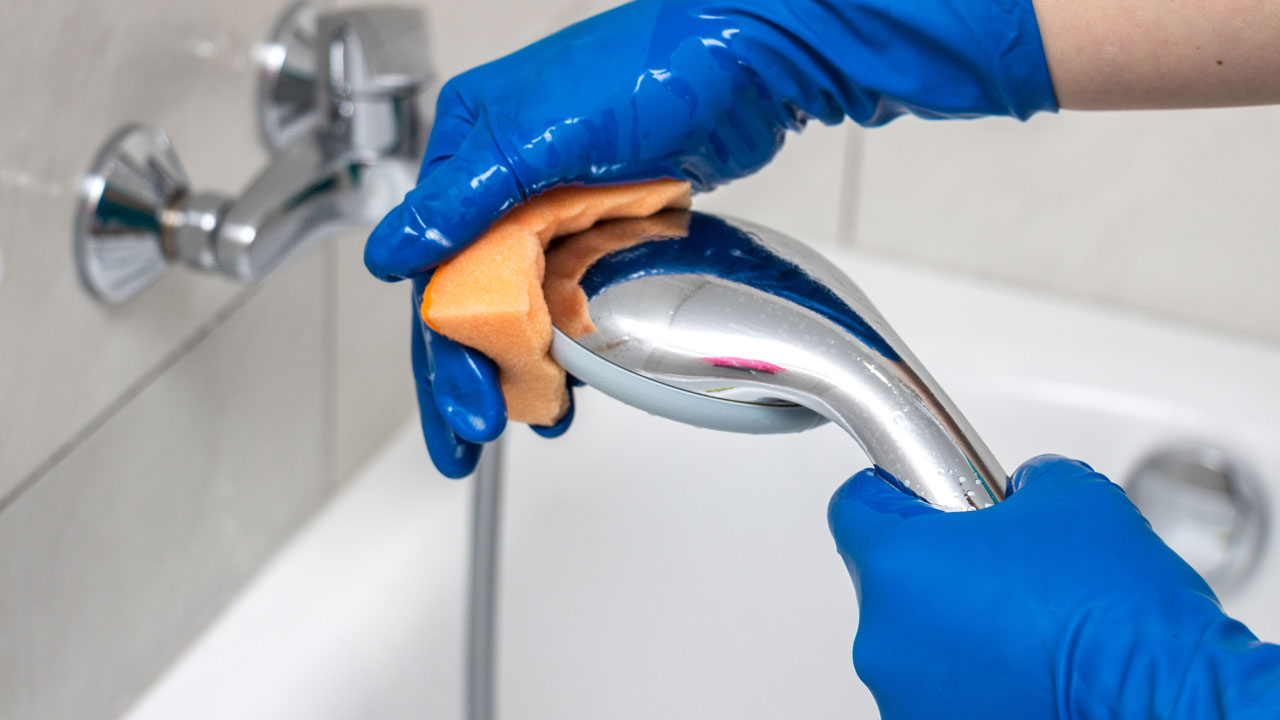
Preparation is key when it comes to cleaning chrome surfaces. Before you start scrubbing away, take a moment to assess the area you’ll be working on. Clear away any items that might obstruct your access to the chrome surface.
This could include moving furniture or removing decorative items from shelves or countertops. Once the area is clear, it’s wise to dust the surface lightly with a dry microfiber cloth. This initial step helps remove loose dirt and debris that could scratch the chrome during the cleaning process.
If you’re dealing with a particularly grimy surface, consider rinsing it with warm water first to loosen any stubborn dirt. This simple preparation can make a significant difference in achieving a spotless finish.
Cleaning Chrome Surfaces
Now that you’ve prepared the surface, it’s time to get down to the actual cleaning. Start by mixing a few drops of mild dish soap with warm water in a bucket. Dip your microfiber cloth into the soapy solution, wring it out well, and gently wipe down the chrome surface.
Use circular motions to lift dirt without scratching the finish. For areas that are particularly dirty or have accumulated grime over time, you may need to apply a bit more elbow grease. If necessary, switch to a soft-bristled brush dipped in the soapy solution to reach into crevices or textured areas.
After cleaning, rinse the cloth in clean water and wipe down the surface again to remove any soap residue. Finally, dry the chrome thoroughly with a clean microfiber cloth to prevent water spots from forming.
Removing Stubborn Stains and Build-Up
Despite your best efforts, some stains may prove stubborn and resistant to regular cleaning methods. In such cases, it’s time to bring out the big guns—baking soda. Create a paste by mixing baking soda with a small amount of water until it reaches a thick consistency.
Apply this paste directly onto the stained area and let it sit for about 10-15 minutes. After allowing the paste to work its magic, use a damp microfiber cloth or soft-bristled brush to gently scrub the area. The mild abrasiveness of baking soda will help lift tough stains without scratching the chrome surface.
Rinse thoroughly with clean water and dry with a microfiber cloth to restore that brilliant shine. If baking soda doesn’t do the trick, consider using white vinegar as an alternative solution. Its natural acidity can break down mineral deposits and stubborn grime effectively.
Simply spray or apply vinegar directly onto the affected area, let it sit for a few minutes, then wipe clean with a cloth.
Polishing and Buffing Chrome Surfaces
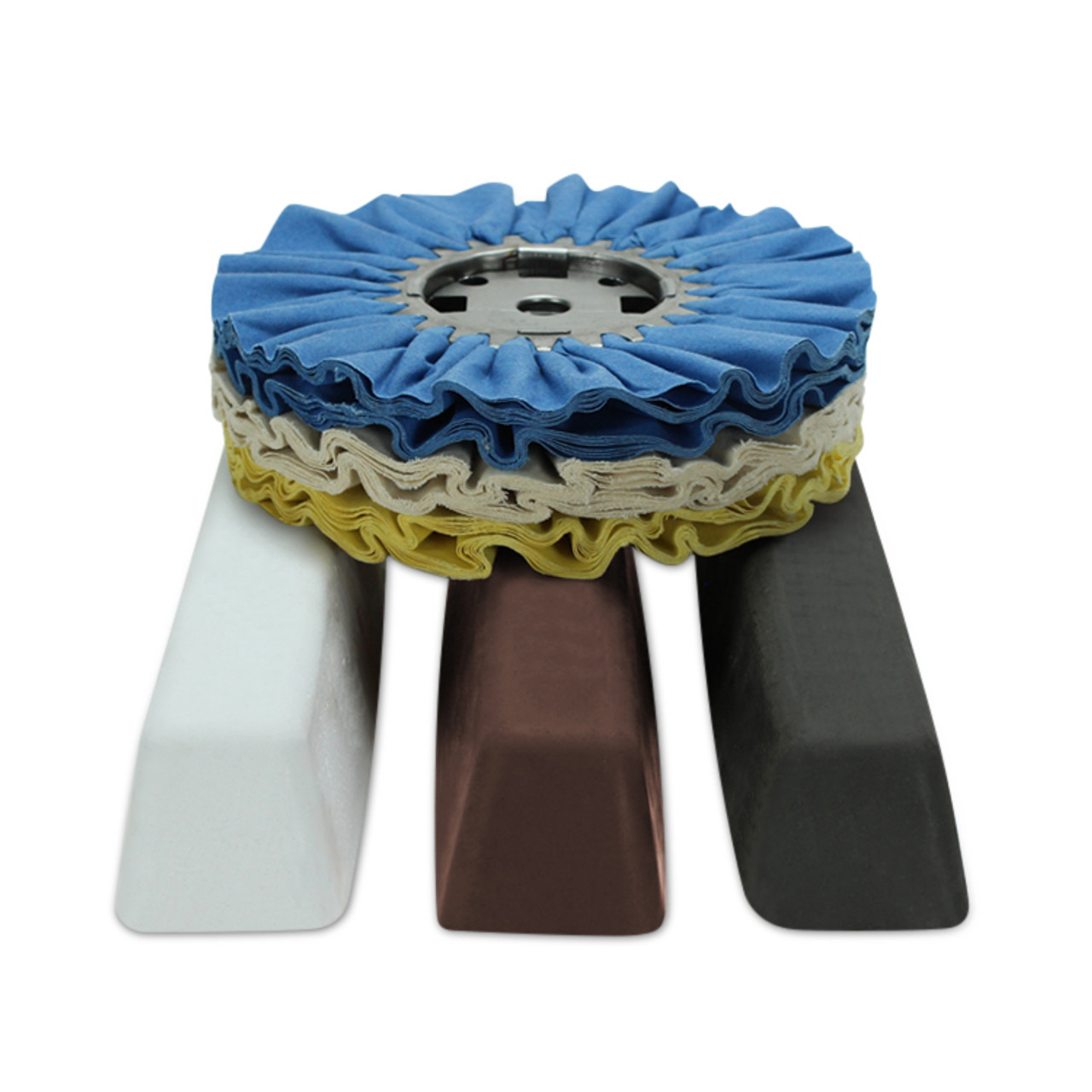
Once your chrome surfaces are clean and free of stains, it’s time to bring back that lustrous shine through polishing and buffing. Using a specialised chrome polish can enhance the finish while providing a protective layer against future tarnishing. Apply a small amount of polish onto a clean microfiber cloth and work it into the chrome using circular motions.
Be sure to follow the manufacturer’s instructions on the polish for best results. After applying the polish evenly across the surface, allow it to sit for a few moments before buffing it off with another clean cloth. This step not only enhances shine but also helps create a barrier against dirt and moisture.
For those who prefer an eco-friendly approach, you can also use olive oil as a natural alternative for polishing chrome surfaces. A few drops on a cloth can work wonders in restoring shine while being gentle on the environment.
Preventing Future Damage
Preventing future damage to your chrome surfaces is all about establishing good habits and regular maintenance routines. One of the simplest ways to protect your chrome is by keeping it dry; moisture can lead to rust and tarnishing over time. After cleaning or using any chrome fixtures, make it a habit to wipe them down with a dry cloth.
Additionally, consider placing mats or coasters under items that may scratch or leave marks on your chrome surfaces. For example, if you have chrome furniture or fixtures in high-traffic areas, using protective pads can help minimise wear and tear. Regularly scheduled cleanings will also go a long way in maintaining your chrome surfaces’ appearance.
Aim for light cleaning every week or two, with deeper cleans every month or so, depending on usage and exposure to elements.
Cleaning Chrome in Different Environments
The environment where your chrome surfaces are located can significantly impact how often they need cleaning and what methods work best. For instance, in coastal areas of Australia where salt air is prevalent, chrome fixtures may require more frequent attention due to corrosion risks. In bathrooms where moisture levels are higher, you might notice water spots forming more quickly on chrome taps or showerheads.
In such cases, consider using a squeegee after each use to keep surfaces dry and free from mineral build-up. For office environments where chrome furniture is common, regular dusting and quick clean-ups can help maintain appearance without extensive cleaning sessions. Tailoring your cleaning approach based on environmental factors will ensure your chrome surfaces remain in top condition.
Maintaining the Shine of Chrome Surfaces
Maintaining that showroom shine on your chrome surfaces doesn’t have to be an arduous task; it’s all about consistency and care. Regularly dusting with a microfiber cloth will help prevent dirt accumulation that dulls the finish. Additionally, consider implementing a routine where you polish your chrome surfaces every few months as part of your regular cleaning schedule.
If you notice any signs of tarnishing or dullness between cleanings, don’t hesitate to address them promptly with the gentle cleaning methods discussed earlier. The sooner you tackle these issues, the easier they will be to manage. For those who want an extra layer of protection against tarnishing, consider applying a thin layer of car wax or dedicated chrome sealant after polishing.
This additional step can help repel moisture and dirt while enhancing shine.
Safety Precautions when Cleaning Chrome
While cleaning chrome surfaces is generally safe, there are some precautions you should take to ensure both your safety and that of your fixtures. Always wear gloves when handling cleaning products—this protects your skin from irritation caused by certain chemicals. When using any cleaning solution, ensure that you’re working in a well-ventilated area to avoid inhaling fumes.
If you’re using vinegar or other acidic cleaners, be cautious not to let them sit too long on the surface, as prolonged exposure can lead to damage. Lastly, avoid using abrasive materials like steel wool or rough sponges when cleaning chrome; these can scratch the surface irreparably. Stick with soft cloths and brushes designed for delicate surfaces.
Professional Cleaning and Restoration Options
If you find yourself overwhelmed by stubborn stains or extensive tarnishing on your chrome surfaces, don’t hesitate to seek professional help. Many cleaning companies offer specialised services for restoring chrome finishes to their former glory. Professional cleaners have access to advanced techniques and products that can effectively remove build-up without risking damage to your fixtures.
They can also provide ongoing maintenance services tailored specifically for your needs—ideal for busy homeowners or property managers looking to keep their spaces pristine. At TASPRO Cleaning Services, we understand how important it is to maintain your home or office’s appearance while ensuring safety and professionalism in our approach. Whether you need end-of-lease cleaning or regular maintenance for your office space, we’re here to help.
How TASPRO Can Help: If you’re ready to take the hassle out of maintaining your chrome surfaces or need assistance with other cleaning tasks around your home or office, TASPRO Cleaning Services is just a click away! Our team of experienced professionals is equipped with the right tools and knowledge to ensure your spaces shine like new. Contact us today for a quote online!
Let us help you keep your environment clean and welcoming—because at TASPRO, we believe every detail matters!
When it comes to maintaining the pristine shine of chrome material surfaces, it’s essential to follow the right cleaning techniques to avoid damage and ensure longevity. For those interested in broader cleaning services that can help maintain various surfaces in your home or business, you might find the article on commercial cleaning in Launceston particularly useful. This article provides insights into professional cleaning services that can tackle a wide range of cleaning needs, ensuring that all surfaces, including chrome, are kept in top condition.
FAQs
What is chrome material?
Chrome material refers to a type of metal that has been treated with a thin layer of chromium to give it a shiny, reflective finish. It is commonly used in the production of household fixtures, automotive parts, and industrial equipment.
Why is it important to clean chrome surfaces?
Cleaning chrome surfaces is important to maintain their appearance and prevent corrosion. Over time, dirt, grime, and water spots can build up on chrome surfaces, leading to a dull or discolored appearance.
How can I clean chrome surfaces?
To clean chrome surfaces, you can use a mild detergent or chrome cleaner and a soft cloth or sponge. Simply apply the cleaner to the surface, scrub gently, and then rinse with water. For tough stains, you can use a mixture of vinegar and water or a specialized chrome polish.
Are there any cleaning products to avoid when cleaning chrome surfaces?
Avoid using abrasive cleaners, steel wool, or harsh chemicals when cleaning chrome surfaces, as these can scratch or damage the finish. It’s best to stick to mild detergents, chrome cleaners, or homemade cleaning solutions.
How often should I clean chrome surfaces?
The frequency of cleaning chrome surfaces will depend on the level of use and exposure to dirt and moisture. In general, it’s a good idea to clean chrome surfaces regularly to prevent buildup and maintain their appearance.