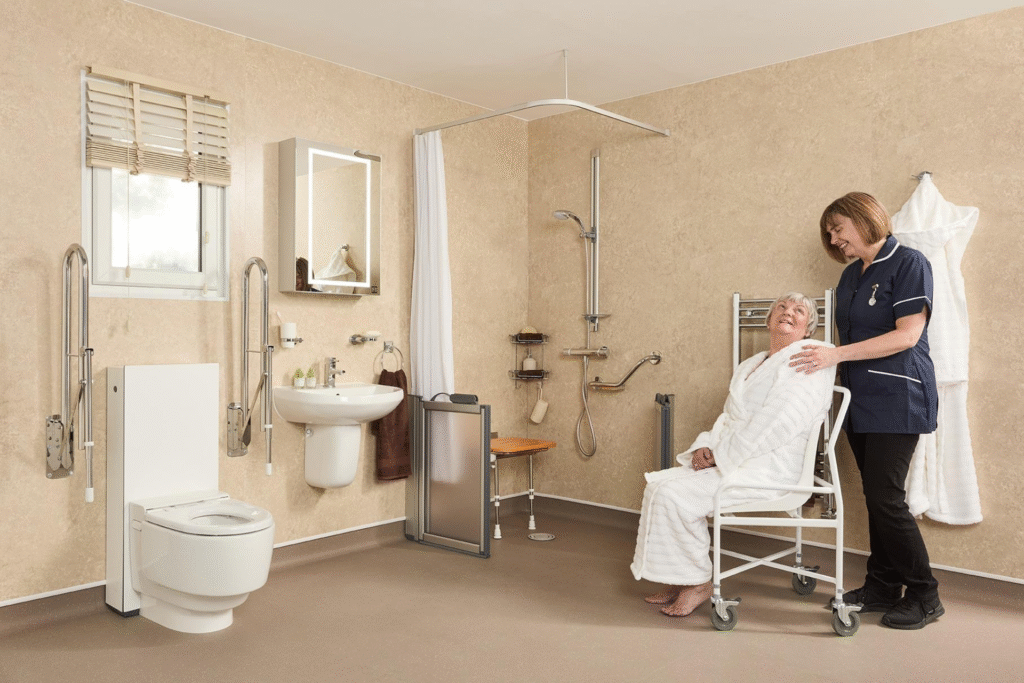
Cleaning your home is not just about aesthetics; it’s about creating a safe and healthy environment. Each home has unique cleaning needs based on its size, layout, and the lifestyle of its occupants. For NDIS participants, understanding these needs is crucial to maintaining a comfortable living space.
Factors such as mobility limitations, allergies, and personal preferences can significantly influence how cleaning tasks should be approached. To begin, take a thorough inventory of your home. Consider the different areas that require attention, such as kitchens, bathrooms, living rooms, and bedrooms.
Each space may have specific cleaning requirements. For instance, kitchens often need regular sanitisation due to food preparation, while bathrooms require frequent cleaning to prevent mould and bacteria growth. By identifying these areas, you can tailor your cleaning approach to ensure that all necessary tasks are covered.
Key Takeaways
- Understand the specific cleaning needs of your home, such as the size, layout, and types of surfaces.
- Assess your available time and energy for cleaning tasks, taking into account work, family, and other commitments.
- Identify your cleaning priorities, such as high-traffic areas, specific rooms, or deep cleaning tasks.
- Create a realistic cleaning schedule that fits your lifestyle and includes daily, weekly, and monthly tasks.
- Consider delegating cleaning responsibilities to family members or hiring professional cleaning services if needed.
- Adjust your cleaning schedule as needed to accommodate changes in your routine or unexpected events.
- Seek support and assistance from NDIS services if you require additional help with cleaning tasks.
Assessing Your Available Time and Energy
Once you have a clear understanding of your home’s cleaning needs, the next step is to assess your available time and energy for cleaning tasks. This is particularly important for NDIS participants who may have varying levels of physical ability and energy throughout the day. It’s essential to be realistic about what you can achieve without overexerting yourself.
Consider creating a simple chart to track your daily energy levels and available time slots for cleaning. This can help you identify the best times to tackle specific tasks. For example, if you find that you have more energy in the morning, it might be wise to schedule heavier cleaning tasks during that time.
Conversely, lighter tasks can be reserved for when your energy dips later in the day. By aligning your cleaning schedule with your energy levels, you can make the process more manageable and less overwhelming.
Identifying Your Cleaning Priorities

With a clear understanding of your home’s needs and your available time, it’s time to identify your cleaning priorities. Not all cleaning tasks hold the same level of importance, and some may need immediate attention while others can wait. For NDIS participants, prioritising tasks can help ensure that essential areas are kept clean and safe.
Start by categorising tasks into three groups: urgent, important, and low priority. Urgent tasks might include cleaning spills or addressing areas that pose safety risks, such as cluttered walkways. Important tasks could involve regular cleaning of high-traffic areas like kitchens and bathrooms, while low-priority tasks might include dusting or organising storage spaces.
By focusing on urgent and important tasks first, you can maintain a clean environment without feeling overwhelmed by less critical chores.
Creating a Realistic Cleaning Schedule
| Task | Frequency | Time Required |
|---|---|---|
| Dusting | Weekly | 30 minutes |
| Vacuuming | Weekly | 45 minutes |
| Mopping | Bi-weekly | 1 hour |
| Bathroom Cleaning | Weekly | 45 minutes |
| Kitchen Cleaning | Weekly | 1 hour |
Creating a realistic cleaning schedule is essential for maintaining a clean home without adding unnecessary stress to your routine. A well-structured schedule allows you to break down larger tasks into manageable segments, making it easier to stay on top of your cleaning responsibilities. When developing your schedule, consider using a weekly planner or digital calendar to outline specific tasks for each day.
For example, you might designate Mondays for kitchen cleaning, Tuesdays for bathroom sanitisation, and so forth. Be sure to include time for rest and self-care in your schedule as well; this balance is crucial for overall well-being. Additionally, consider incorporating flexibility into your plan to accommodate unexpected events or changes in energy levels.
Implementing Daily, Weekly, and Monthly Tasks
To keep your home consistently clean and organised, it’s helpful to implement a system of daily, weekly, and monthly tasks. This approach ensures that all areas of your home receive attention without overwhelming yourself with too many chores at once.
Daily tasks might include:
Making the bed
Washing dishes or loading the dishwasher
Wiping down kitchen counters
Tidying up common areas
Weekly tasks could involve:
Vacuuming or sweeping floors
Cleaning bathrooms
Dusting surfaces
Changing bed linens
Monthly tasks may encompass:
Deep cleaning carpets or upholstery
Organising storage spaces
Washing windows
Cleaning appliances
By breaking down your cleaning responsibilities into these categories, you can create a routine that feels achievable while ensuring that all aspects of your home are maintained.
Delegating Cleaning Responsibilities
For NDIS participants, delegating cleaning responsibilities can be an effective way to manage household chores while ensuring that your home remains clean and safe. Whether you live alone or with family members or support workers, sharing the workload can alleviate stress and make cleaning more efficient. Consider discussing cleaning responsibilities with those who share your living space.
Assign specific tasks based on individual strengths and preferences; for instance, someone who enjoys cooking might take on kitchen duties while another person handles laundry. If you have access to NDIS services, consider enlisting professional cleaners who understand the unique needs of participants. This not only ensures a high standard of cleanliness but also provides peace of mind knowing that trained professionals are handling the job.
Adjusting Your Schedule as Needed
Life is unpredictable, and sometimes even the best-laid plans need adjustments. It’s important to remain flexible with your cleaning schedule to accommodate changes in energy levels or unexpected events. If you find that certain tasks are taking longer than anticipated or if you’re feeling fatigued, don’t hesitate to modify your plan.
Regularly review your cleaning schedule to assess what’s working and what isn’t. If certain tasks consistently feel overwhelming or if you’re unable to complete them as planned, consider redistributing responsibilities or seeking additional support from NDIS services. Remember that maintaining a clean home is a journey; it’s perfectly acceptable to adapt your approach as needed.
Seeking Support and Assistance from NDIS Services
For NDIS participants, accessing support services can significantly enhance their ability to maintain a clean and safe living environment. The NDIS offers various services tailored to meet individual needs, including assistance with household chores and professional cleaning services. If you haven’t already done so, reach out to your support coordinator or plan manager to discuss available options for cleaning assistance.
They can help connect you with trusted NDIS cleaning providers who understand the importance of reliability, respect, privacy, and participant wellbeing. Engaging professional cleaners not only ensures that your home meets hygiene standards but also allows you to focus on other aspects of your life without the burden of cleaning responsibilities. In conclusion, maintaining a clean home is essential for creating a safe and comfortable living environment for NDIS participants.
By understanding your home’s cleaning needs, assessing your available time and energy, identifying priorities, creating a realistic schedule, implementing daily and weekly tasks, delegating responsibilities, adjusting as needed, and seeking support from NDIS services, you can effectively manage your cleaning routine. How TASPRO Can Help. At TASPRO, we understand the unique challenges faced by NDIS participants when it comes to maintaining a clean home. Our dedicated team offers professional NDIS cleaning services tailored to meet individual needs across Launceston (Tasmania), Victoria, and Western Australia.
We prioritise reliability, respect for privacy, and participant wellbeing in every service we provide. If you’re ready to take the next step towards a cleaner home with our trusted NDIS cleaning services, contact us today! Our friendly team is here to assist you in creating a safe and hygienic living environment tailored specifically for you.
Let us help lighten your load so you can focus on what truly matters in life!
When determining the appropriate cleaning frequency for your NDIS home, it’s essential to consider various factors such as the size of your home, the number of occupants, and any specific needs related to health and safety. A related article that might be of interest is about office cleaning in Launceston, which provides insights into maintaining cleanliness in shared spaces. Although the focus is on office environments, the principles of regular cleaning schedules and tailored cleaning plans can be applied to residential settings, ensuring a clean and safe living environment for NDIS participants.
FAQs
What is NDIS cleaning?
NDIS cleaning refers to the cleaning services provided to individuals who are participants of the National Disability Insurance Scheme (NDIS). These services are designed to help NDIS participants maintain a clean and safe living environment.
Why is it important to choose the right cleaning frequency for NDIS homes?
Choosing the right cleaning frequency for NDIS homes is important to ensure that the living environment remains clean, hygienic, and safe for the participants. It also helps in maintaining the overall well-being and health of the individuals living in the NDIS homes.
How do I determine the right cleaning frequency for my NDIS home?
The right cleaning frequency for your NDIS home can be determined based on factors such as the size of the home, the number of occupants, any specific health or hygiene requirements, and the level of cleanliness needed to maintain a safe and healthy environment.
What are the common cleaning frequencies for NDIS homes?
Common cleaning frequencies for NDIS homes can vary depending on the specific needs of the participants, but they often range from daily, weekly, fortnightly, to monthly cleaning schedules. The frequency can be adjusted based on the individual requirements of the NDIS participants.
Can the cleaning frequency for NDIS homes be adjusted over time?
Yes, the cleaning frequency for NDIS homes can be adjusted over time based on changes in the living environment, the needs of the participants, and any other relevant factors. It’s important to regularly assess and reevaluate the cleaning frequency to ensure it remains suitable for the NDIS home.