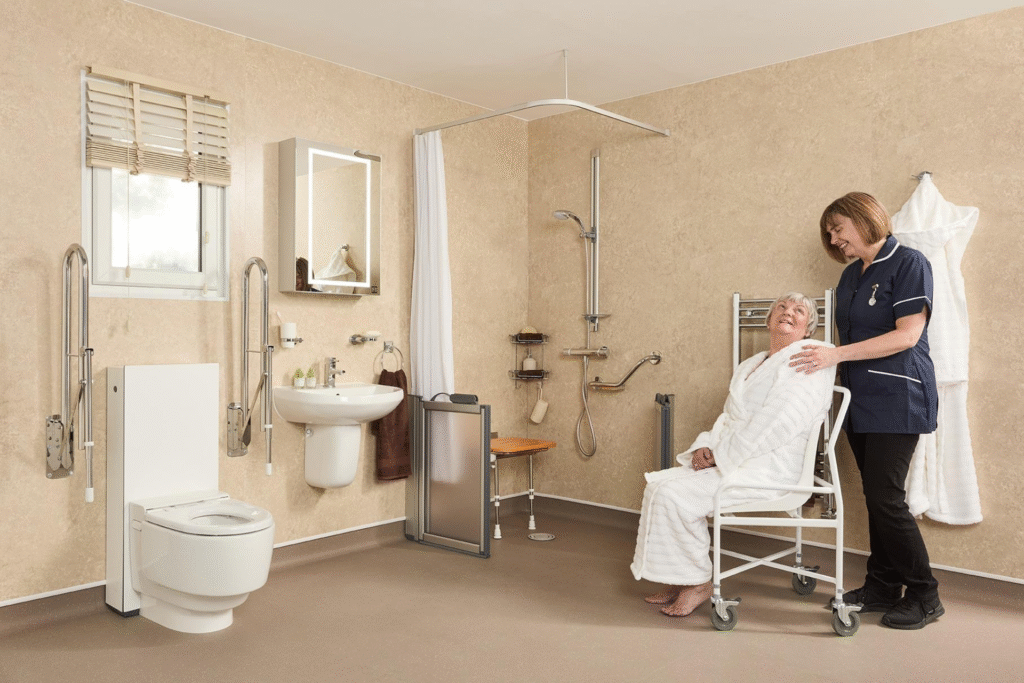
Efficient coordination is the backbone of any successful operation, particularly in the context of providing support services to NDIS participants. In a landscape where individuals have diverse needs and varying levels of support, the ability to coordinate effectively ensures that services are delivered seamlessly and promptly. This is especially crucial for NDIS participants who rely on consistent and reliable support to maintain their independence and quality of life.
When coordination is executed well, it not only enhances the participant’s experience but also fosters trust and confidence in the service providers. Moreover, efficient coordination helps to optimise resources, ensuring that both time and finances are utilised effectively. For support coordinators and plan managers, this means being able to allocate resources where they are most needed, avoiding duplication of efforts, and ensuring that all team members are on the same page.
This level of organisation is essential in creating a supportive environment where participants feel valued and understood, ultimately leading to better outcomes for everyone involved.
Key Takeaways
- Efficient coordination is crucial for smooth operations and productivity in any organization.
- Streamlining cleaning and support tasks can save time and resources, leading to better efficiency.
- Technology can be a powerful tool for coordinating tasks and schedules, leading to improved productivity.
- Effective communication and collaboration are essential for successful coordination among staff members.
- Training and empowering staff can lead to better coordination and improved overall performance.
Streamlining Cleaning and Support Tasks
Streamlining cleaning and support tasks is vital for maintaining a clean and safe environment for NDIS participants. A well-organised approach to cleaning not only enhances hygiene but also contributes to the overall well-being of individuals who may have specific sensitivities or health concerns. By establishing clear protocols and routines, cleaning tasks can be integrated into the broader support framework, ensuring that they are completed efficiently and effectively.
One way to streamline these tasks is by creating a comprehensive cleaning schedule that aligns with the needs of the participants. This schedule should take into account factors such as the frequency of cleaning required, specific areas that need attention, and any particular preferences or requirements of the participants. By doing so, support coordinators can ensure that cleaning tasks are not overlooked and that participants receive the level of care they deserve.
Utilizing Technology for Coordination

In today’s digital age, technology plays a pivotal role in enhancing coordination among support teams. Various tools and applications can facilitate communication, scheduling, and task management, making it easier for everyone involved to stay informed and engaged. For instance, project management software can help track cleaning schedules, assign tasks to team members, and monitor progress in real-time.
Additionally, technology can be leveraged to maintain records of cleaning activities, ensuring that all tasks are documented and easily accessible. This not only aids in accountability but also allows for better planning and resource allocation in the future. By embracing technology, support coordinators can create a more streamlined process that ultimately benefits NDIS participants by providing them with a cleaner and safer living environment.
Effective Communication and Collaboration
| Metrics | Results |
|---|---|
| Number of team meetings held | 20 |
| Percentage of team members actively participating in discussions | 85% |
| Number of successful cross-departmental collaborations | 10 |
| Feedback response time | Within 24 hours |
Effective communication is essential for fostering collaboration among support teams. When team members communicate openly and regularly, it creates an environment where everyone feels comfortable sharing ideas, concerns, and feedback. This collaborative spirit is particularly important in the context of NDIS services, where the needs of participants can change frequently.
Regular team meetings can serve as a platform for discussing ongoing tasks, addressing any challenges that may arise, and celebrating successes. Encouraging team members to share their insights can lead to innovative solutions that enhance the quality of service provided to participants. Furthermore, establishing clear lines of communication ensures that everyone is aware of their responsibilities and can work together towards common goals.
Training and Empowering Staff
Investing in training and empowering staff is crucial for maintaining high standards of service delivery. Well-trained staff members are more likely to perform their duties effectively and with confidence, which directly impacts the quality of care provided to NDIS participants. Training should encompass not only cleaning techniques but also customer service skills, ensuring that staff members understand the importance of treating participants with respect and dignity.
Empowering staff involves giving them the autonomy to make decisions within their roles while providing them with the necessary support and resources. This approach fosters a sense of ownership among team members, motivating them to take pride in their work and strive for excellence. When staff feel valued and competent, it translates into better service delivery for NDIS participants.
Creating Clear Work Schedules and Checklists
Creating clear work schedules and checklists is an effective way to ensure that all cleaning tasks are completed systematically and efficiently. A well-structured schedule outlines specific tasks to be performed on designated days, allowing staff to plan their time effectively. This not only helps in maintaining cleanliness but also reduces the likelihood of tasks being overlooked or forgotten.
Checklists serve as valuable tools for staff members to track their progress throughout the day. By breaking down larger tasks into smaller, manageable steps, checklists can help staff stay focused and organised. Additionally, having a visual representation of completed tasks can provide a sense of accomplishment and motivate staff to maintain high standards of cleanliness.
Implementing Quality Control Measures
Implementing quality control measures is essential for ensuring that cleaning services meet established standards. Regular inspections can help identify areas for improvement and ensure that staff are adhering to best practices in cleaning protocols. Feedback from NDIS participants can also provide valuable insights into the effectiveness of cleaning services and highlight any areas that may require additional attention.
Quality control measures should be designed to be constructive rather than punitive. By fostering a culture of continuous improvement, staff members will feel encouraged to strive for excellence in their work. This commitment to quality not only benefits participants but also enhances the reputation of the service provider within the community.
Evaluating and Adjusting Coordination Strategies
Regularly evaluating and adjusting coordination strategies is vital for maintaining an effective support system for NDIS participants. As needs change over time, it is important for support coordinators to assess whether current strategies are still meeting those needs effectively. This may involve gathering feedback from participants, staff members, and other stakeholders to identify areas for improvement.
Adjustments may include refining cleaning schedules, reallocating resources, or implementing new technologies to enhance coordination efforts. By remaining flexible and open to change, support coordinators can ensure that they are providing the best possible service to NDIS participants while adapting to their evolving needs. In conclusion, efficient coordination is essential for delivering high-quality support services to NDIS participants.
By streamlining cleaning tasks, utilising technology, fostering effective communication, training staff, creating clear schedules, implementing quality control measures, and regularly evaluating strategies, service providers can create a supportive environment that prioritises participant wellbeing. As we move forward in this ever-evolving landscape of support services, let us remain committed to excellence in coordination efforts for the benefit of those we serve.
In the quest to enhance the efficiency of cleaning and support work coordination, it’s beneficial to explore various resources that provide insights and practical tips. One such resource is the FAQ section on the Taspro Cleaning website, which addresses common queries and offers guidance on cleaning practices. This section can be particularly useful for understanding the nuances of cleaning operations and ensuring that all tasks are executed smoothly. For more detailed information, you can visit the FAQ Cleaning page, which serves as a valuable companion to the strategies discussed in the article on coordinating cleaning and support work efficiently.
FAQs
What is the importance of coordinating cleaning and support work efficiently?
Efficient coordination of cleaning and support work ensures that tasks are completed promptly, resources are utilized effectively, and the overall work environment is maintained at a high standard.
What are some strategies for coordinating cleaning and support work efficiently?
Some strategies for efficient coordination include creating a clear schedule, assigning specific tasks to individuals or teams, providing necessary training and resources, and implementing effective communication channels.
How can technology be used to improve the coordination of cleaning and support work?
Technology can be used to schedule and track cleaning and support tasks, communicate with team members, and monitor the progress of work. This can help streamline processes and improve overall efficiency.
What are the benefits of coordinating cleaning and support work efficiently?
Efficient coordination can lead to cost savings, improved productivity, a safer and healthier work environment, and higher satisfaction among employees and clients. It also helps in maintaining a positive brand image.