In today’s world, the significance of eco-friendly cleaning cannot be overstated, especially for NDIS participants and their support networks. Eco-friendly cleaning practices not only contribute to a healthier environment but also promote the well-being of individuals living in these spaces. Traditional cleaning products often contain harsh chemicals that can trigger allergies, respiratory issues, and other health concerns.
By opting for eco-friendly alternatives, we can create a safer living environment that prioritises the health of both residents and the planet. Moreover, eco-friendly cleaning aligns with the values of sustainability and responsibility. As we become more aware of our impact on the environment, it is essential to consider how our cleaning habits contribute to larger ecological issues.
By choosing products that are biodegradable, non-toxic, and sustainably sourced, we can reduce our carbon footprint and help preserve the natural beauty of our surroundings. This is particularly relevant in regions like Tasmania, Victoria, and Western Australia, where the unique ecosystems deserve our protection.
Key Takeaways
- Eco-friendly cleaning helps reduce exposure to harmful chemicals and toxins, promoting a healthier living environment for NDIS homes.
- When choosing eco-friendly cleaning products, look for certifications such as Green Seal or EcoLogo to ensure they meet environmental and health standards.
- DIY eco-friendly cleaning solutions using simple ingredients like vinegar, baking soda, and essential oils can be effective and budget-friendly for NDIS homes.
- Using eco-friendly cleaning tools and equipment, such as microfiber cloths, reusable mop pads, and high-efficiency vacuum cleaners, can minimize waste and environmental impact.
- Incorporating green cleaning practices into daily routines, such as using reusable cleaning cloths and reducing water and energy consumption, can contribute to a more sustainable lifestyle for NDIS homes.
Making the Switch: Choosing the Right Eco-Friendly Cleaning Products
Transitioning to eco-friendly cleaning products can seem daunting at first, but it is a straightforward process that can yield significant benefits. When selecting eco-friendly products, it is crucial to look for certifications and labels that indicate a product’s environmental credentials. Look for labels such as “Green Seal,” “EcoLogo,” or “Australian Certified Organic” to ensure that the products meet stringent environmental standards.
Additionally, consider the ingredients listed on the product label. Opt for products that are free from harmful chemicals such as phosphates, chlorine, and synthetic fragrances. Instead, choose those made from natural ingredients like vinegar, baking soda, and essential oils.
These alternatives are not only effective in cleaning but also safe for individuals with sensitivities or allergies.
DIY Eco-Friendly Cleaning Solutions for NDIS Homes

Creating your own eco-friendly cleaning solutions can be both cost-effective and rewarding. Many common household items can be repurposed into effective cleaning agents. For instance, a simple mixture of vinegar and water can serve as an excellent all-purpose cleaner.
This solution is particularly effective in kitchens and bathrooms, where hygiene is paramount. Another effective DIY solution involves using baking soda as a gentle abrasive cleaner. It can be used to scrub surfaces without scratching them, making it ideal for delicate materials.
Combine baking soda with a few drops of essential oil for a pleasant scent while cleaning. This not only ensures a clean home but also creates a calming atmosphere for NDIS participants.
Eco-Friendly Cleaning Tools and Equipment
| Product | Material | Energy Efficient | Recyclable |
|---|---|---|---|
| Reusable Microfiber Cloths | Microfiber | Yes | Yes |
| Bamboo Cleaning Brushes | Bamboo | N/A | Yes |
| Biodegradable Sponges | Plant-based materials | N/A | Yes |
| Refillable Spray Bottles | Plastic | Yes | Yes |
In addition to using eco-friendly cleaning products, it is essential to consider the tools and equipment used in the cleaning process. Opting for reusable cleaning cloths instead of disposable paper towels can significantly reduce waste. Microfiber cloths are particularly effective as they trap dirt and dust without the need for chemical cleaners.
When it comes to mops and brooms, look for those made from sustainable materials such as bamboo or recycled plastics. These options are not only environmentally friendly but also durable and effective in maintaining cleanliness. Investing in high-quality tools will ensure that they last longer, reducing the need for frequent replacements.
Incorporating Green Cleaning Practices into Daily Routines
Integrating eco-friendly cleaning practices into daily routines can be simple and manageable. Start by establishing a regular cleaning schedule that includes tasks such as dusting, vacuuming, and sanitising surfaces. This will help maintain a clean environment while reducing the need for intensive cleaning sessions that often require harsher chemicals.
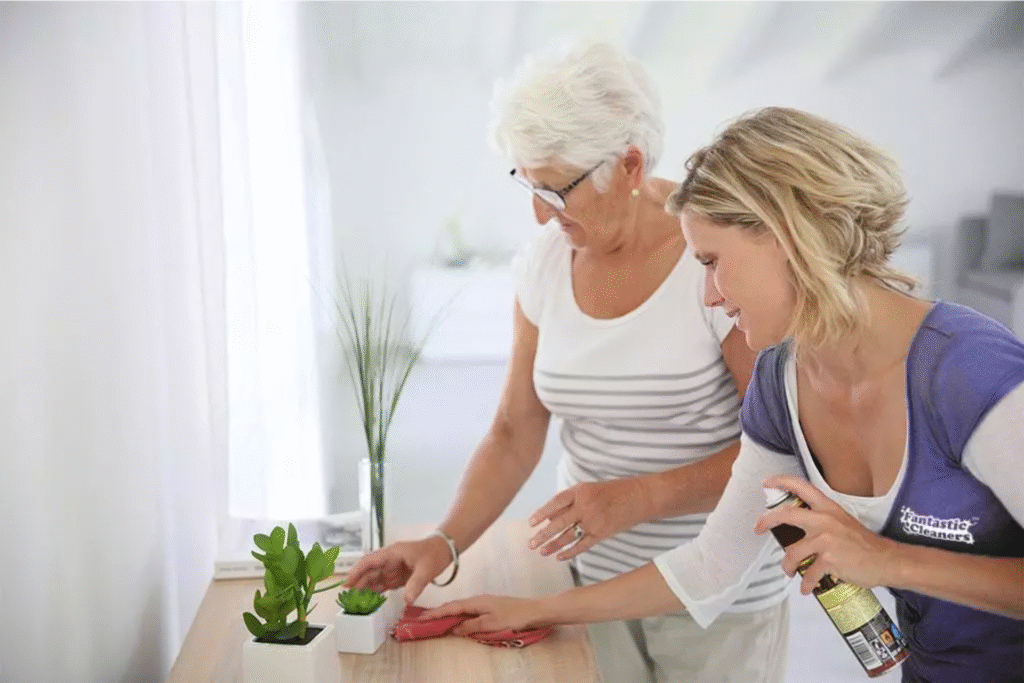
Encourage NDIS participants to involve themselves in the cleaning process where possible. This not only fosters independence but also allows them to take ownership of their living space. Simple tasks like wiping down surfaces or organising personal items can be empowering and contribute to a sense of well-being.
Addressing Specific Cleaning Challenges in NDIS Homes
Cleaning challenges may vary depending on individual needs and living situations within NDIS homes. For instance, some participants may have mobility issues that make traditional cleaning methods difficult. In such cases, it may be beneficial to invest in tools designed for ease of use, such as long-handled dusters or lightweight vacuum cleaners.
Additionally, consider the specific needs of each participant when developing a cleaning plan. For example, if someone has allergies or sensitivities, focus on hypoallergenic products and methods that minimise dust and allergens. Tailoring cleaning practices to individual requirements ensures a safe and comfortable living environment.
Tips for Maintaining a Clean and Eco-Friendly Home Environment
Maintaining a clean and eco-friendly home environment requires consistent effort and mindfulness.
Here are some practical tips to help achieve this:
Declutter Regularly: Reducing clutter not only makes cleaning easier but also creates a more serene living space.
Use Natural Air Fresheners: Instead of synthetic air fresheners, consider using essential oils or natural potpourri to keep your home smelling fresh.
Implement a No-Shoes Policy: Encourage family members and visitors to remove their shoes upon entering the home to minimise dirt and allergens.
Regularly Check Cleaning Supplies: Ensure that all cleaning products are eco-friendly and safe for use within the home.
By incorporating these practices into daily life, NDIS participants can enjoy a clean home while also contributing positively to the environment.
The Benefits of Eco-Friendly Cleaning for NDIS Homes
The advantages of adopting eco-friendly cleaning practices extend beyond just environmental benefits; they also significantly enhance the quality of life for NDIS participants. A clean home contributes to improved mental well-being by creating a calming atmosphere that promotes relaxation and comfort. Furthermore, using non-toxic cleaning products reduces the risk of chemical exposure, which is particularly important for individuals with sensitivities or health concerns.
This focus on safety ensures that participants can thrive in their living environments without fear of adverse reactions. In conclusion, embracing eco-friendly cleaning practices is not only beneficial for the environment but also essential for creating safe and healthy living spaces for NDIS participants. By making informed choices about cleaning products, tools, and routines, we can foster an environment that prioritises well-being while respecting our planet.
As you consider implementing these eco-friendly practices in your home or support network, remember that every small change contributes to a larger impact. If you need assistance with eco-friendly cleaning solutions tailored specifically for NDIS homes, TASPRO is here to help. How TASPRO Can Help At TASPRO, we understand the unique needs of NDIS participants and are committed to providing reliable and respectful cleaning services across Launceston (Tasmania), Victoria, and Western Australia.
Our team is trained in eco-friendly cleaning methods that prioritise participant well-being while adhering to Australian cleaning standards.
Next steps:
– Contact us today to discuss your specific cleaning needs.
– Schedule an assessment with our team to develop a tailored cleaning plan.
– Experience the peace of mind that comes with knowing your home is clean, safe, and environmentally friendly. We invite you to reach out to us at TASPRO for any questions or to book our services.
Together, we can create a cleaner, greener future for everyone!
When considering eco-friendly cleaning options for NDIS homes, it’s essential to explore various resources that provide insights into sustainable practices. A related article that might be of interest is available on the TasPro Cleaning website, which discusses the specific cleaning services they offer for NDIS participants. This article can provide valuable information on how to maintain a clean and healthy environment while adhering to eco-friendly standards. For more details, you can read the full article by visiting TasPro Cleaning’s NDIS Cleaning Services. This resource can help you make informed decisions about choosing the right cleaning solutions that are both effective and environmentally responsible.
FAQs
What are eco-friendly cleaning options?
Eco-friendly cleaning options are products and methods that are designed to have minimal impact on the environment. This can include using natural ingredients, reducing waste, and choosing products with eco-friendly packaging.
Why is it important to choose eco-friendly cleaning options for NDIS homes?
Choosing eco-friendly cleaning options for NDIS homes is important because it helps to minimize the exposure of individuals with disabilities to harmful chemicals and toxins. It also contributes to a healthier and more sustainable living environment.
What are some examples of eco-friendly cleaning products?
Examples of eco-friendly cleaning products include those made from natural ingredients such as vinegar, baking soda, and essential oils. Additionally, many commercially available eco-friendly cleaning products are biodegradable and free from harsh chemicals.
How can I identify eco-friendly cleaning products?
Look for products that are labeled as “eco-friendly,” “green,” “natural,” or “biodegradable.” Additionally, check the ingredients list for any harsh chemicals or toxins, and opt for products with minimal packaging or packaging made from recycled materials.
What are some eco-friendly cleaning methods for NDIS homes?
Some eco-friendly cleaning methods for NDIS homes include using microfiber cloths, steam cleaning, and making homemade cleaning solutions using natural ingredients. Additionally, reducing water usage and properly disposing of cleaning waste can also contribute to eco-friendly cleaning practices.