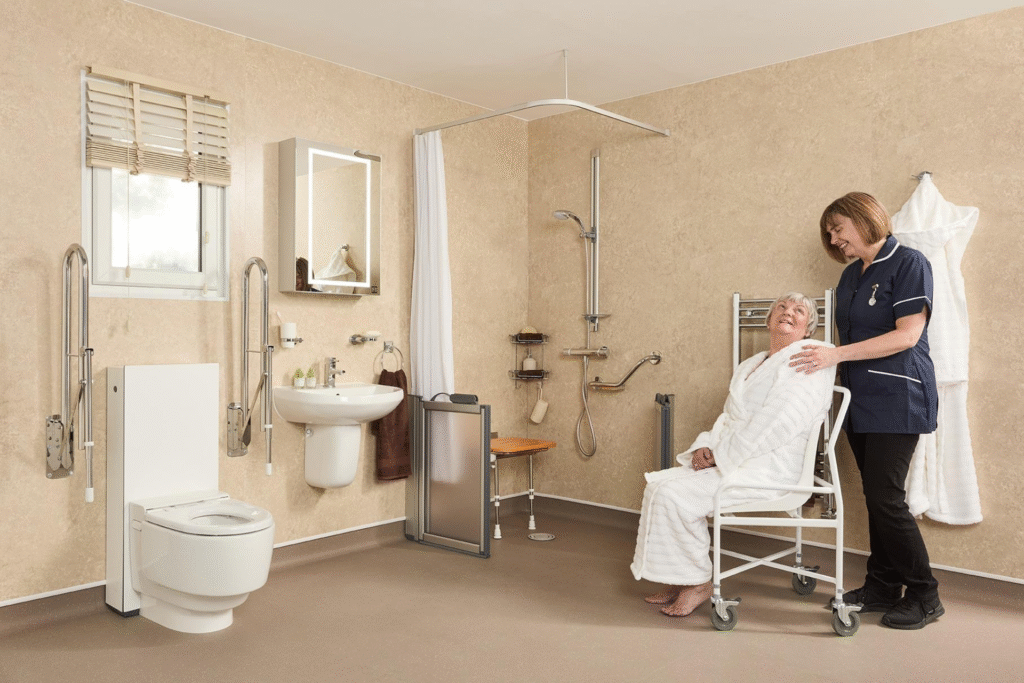
When it comes to cleaning services, particularly for NDIS participants, understanding individual needs and preferences is paramount. Each participant has unique requirements that stem from their living situation, personal preferences, and specific challenges they may face. Engaging in open communication is essential to ensure that the cleaning services provided align with these needs.
This involves not only discussing the types of cleaning required but also considering the participant’s lifestyle, mobility, and any sensitivities they may have. For instance, some individuals may prefer eco-friendly cleaning products due to allergies or environmental concerns, while others might require specific cleaning techniques to accommodate mobility issues. By taking the time to understand these preferences, a cleaning service can tailor its approach, ensuring that the participant feels comfortable and respected in their own home.
This level of personalised service fosters trust and builds a strong foundation for a successful partnership.
Key Takeaways
- Understand your cleaning needs and preferences to tailor a plan that suits you best.
- Identify specific areas in your space that require cleaning attention, such as high-traffic zones or commonly overlooked spots.
- Set clear goals and objectives for your cleaning routine to ensure a focused and efficient approach.
- Establish a realistic schedule that aligns with your lifestyle and allows for consistent maintenance.
- Allocate resources and budget effectively to support your cleaning plan, whether it’s investing in quality products or hiring professional help.
- Define roles and responsibilities for everyone involved in the cleaning process to ensure accountability and efficiency.
- Monitor progress regularly and be open to making adjustments to your cleaning plan as needed.
- Celebrate achievements and maintain consistency to keep your space clean and organized in the long term.
Identifying Specific Areas for Cleaning
Once the needs and preferences have been established, the next step is to identify specific areas that require attention. This can vary significantly from one household to another, depending on factors such as the size of the home, the number of occupants, and any particular challenges faced by the participant. A thorough assessment of the living space can help pinpoint areas that need regular cleaning, as well as those that may require deep cleaning on a less frequent basis.
Common areas that often require special attention include kitchens and bathrooms, where hygiene is crucial. Additionally, living areas and bedrooms may need regular dusting and vacuuming to maintain a clean and comfortable environment. It’s also important to consider outdoor spaces, especially in regions like Tasmania and Western Australia, where outdoor living is popular.
By identifying these specific areas, a cleaning service can create a comprehensive plan that addresses all aspects of cleanliness and hygiene.
Setting Clear Goals and Objectives

Setting clear goals and objectives is vital for both the cleaning service provider and the NDIS participant. These goals should be realistic and achievable, providing a framework for what the cleaning service aims to accomplish. For example, a goal might be to maintain a clean kitchen environment that is free from allergens or to ensure that bathrooms are sanitised regularly to prevent any health risks.
In addition to cleanliness, objectives can also include enhancing the participant’s overall well-being by creating a more organised and pleasant living space. This could involve decluttering certain areas or implementing a system for maintaining cleanliness between professional cleanings. By establishing these goals collaboratively, both parties can work towards a shared vision of a clean and safe home environment.
Establishing a Realistic Schedule
| Task | Estimated Time (days) | Actual Time (days) |
|---|---|---|
| Research | 5 | 7 |
| Planning | 3 | 4 |
| Execution | 10 | 12 |
| Testing | 7 | 8 |
| Review and Adjustments | 5 | 6 |
Establishing a realistic cleaning schedule is crucial for ensuring that the cleaning service meets the needs of the participant without overwhelming them. This schedule should take into account the frequency of cleaning required for different areas of the home, as well as any specific times that may be more convenient for the participant. For instance, some individuals may prefer cleaning services during weekdays when they are out of the house, while others may need services during weekends.
It’s also important to consider seasonal changes in Tasmania’s climate when planning the schedule. For example, during the wetter months, there may be an increased need for indoor cleaning due to mud and moisture being tracked inside. Conversely, during warmer months, outdoor spaces may require more attention due to dust and pollen.
By creating a flexible yet structured schedule, both the cleaning service and the participant can ensure that cleanliness is maintained consistently throughout the year.
Allocating Resources and Budget
Allocating resources and budget effectively is another critical aspect of planning for cleaning services under the NDIS framework. Participants should have a clear understanding of what services are covered under their NDIS plan and how much budget they have available for cleaning services. This transparency allows for informed decisions about which services to prioritise.
When considering budget allocation, it’s essential to weigh the costs against the benefits of maintaining a clean living environment. Investing in regular cleaning can lead to improved hygiene, reduced allergens, and an overall better quality of life for participants. Additionally, exploring options such as package deals or regular service discounts can help maximise budget efficiency while ensuring that all necessary cleaning tasks are completed.
Defining Roles and Responsibilities
Defining roles and responsibilities is crucial for ensuring that everyone involved in the cleaning process understands their part in maintaining a clean home environment. For NDIS participants, this may involve outlining what tasks they can manage independently versus what requires professional assistance. For example, participants might handle light tidying or laundry while relying on professional cleaners for deep cleaning tasks.
On the other hand, cleaning service providers should clearly communicate their responsibilities as well. This includes detailing what services are included in their offerings, such as [NDIS cleaning](https://www.taspro.com.au/ndis-cleaning) or [end of lease cleaning](https://www.taspro.com.au/end-of-lease-cleaning), as well as any limitations or exclusions. By establishing these roles upfront, both parties can work together more effectively towards maintaining a clean and safe living space.
Monitoring Progress and Making Adjustments
Monitoring progress is essential in ensuring that the cleaning services provided are meeting the established goals and objectives. Regular check-ins between the NDIS participant and the cleaning service can help assess whether the current plan is effective or if adjustments are needed. This could involve discussing any areas that may require more frequent attention or identifying new challenges that have arisen since the initial assessment.
Flexibility is key in this process; as circumstances change—whether due to seasonal factors or shifts in the participant’s needs—the cleaning plan should be adaptable. For instance, if a participant finds that certain areas are becoming more challenging to maintain due to mobility issues, it may be necessary to increase the frequency of professional cleanings in those areas. By maintaining open lines of communication and being willing to make adjustments as needed, both parties can ensure ongoing satisfaction with the cleaning services provided.
Celebrating Achievements and Maintaining Consistency
Celebrating achievements is an important aspect of maintaining motivation and consistency in any endeavour, including keeping a clean home environment. Recognising milestones—such as successfully maintaining cleanliness for a certain period or achieving specific goals—can provide a sense of accomplishment for both NDIS participants and their support teams. This could involve simple acknowledgments during check-ins or even small rewards for reaching certain targets.
Consistency is equally important; establishing routines around cleaning can help reinforce positive habits over time. Encouraging participants to engage in light daily tasks can complement professional cleanings and foster a sense of ownership over their living space. By celebrating achievements and promoting consistency in cleaning practices, participants can enjoy a healthier living environment while also enhancing their overall well-being.
How TASPRO Can Help. At TASPRO, we understand that every NDIS participant has unique needs when it comes to cleaning services. Our team is dedicated to providing reliable, respectful, and personalised cleaning solutions tailored specifically for individuals in Launceston (Tasmania), Victoria, and Western Australia. We pride ourselves on our commitment to participant wellbeing and privacy while adhering to Australian cleaning standards.
To get started with our services:
1. Contact Us: Reach out via our website or phone to discuss your specific needs.
2. Assessment: We will conduct an assessment of your home to identify areas requiring attention.
3. Custom Plan: Together, we will create a tailored cleaning plan that aligns with your goals.
4. Schedule: We will establish a realistic schedule that fits your lifestyle.
5. Ongoing Support: Our team will provide ongoing support and adjustments as needed.
If you’re ready to experience a cleaner, safer home environment with TASPRO’s trusted NDIS cleaning services, don’t hesitate to contact us today! We look forward to helping you achieve your cleanliness goals while ensuring your comfort and satisfaction every step of the way.
When developing a cleaning plan with your support coordinator, it’s essential to consider various aspects such as frequency, specific tasks, and any special requirements you might have. A related article that can provide further insights into organizing and managing cleaning services is available on the Taspro Cleaning website. You can explore more about how to request a tailored cleaning service by visiting their Office Cleaning Quote Request page. This resource can help you understand the process of obtaining a customized cleaning plan that aligns with your needs and preferences, ensuring a clean and well-maintained environment.
FAQs
What is a cleaning plan?
A cleaning plan is a structured approach to maintaining cleanliness and organization in a home or workspace. It involves setting specific cleaning tasks, schedules, and responsibilities to ensure that the environment remains clean and hygienic.
Why is it important to build a cleaning plan with a support coordinator?
Building a cleaning plan with a support coordinator is important for individuals who may require assistance due to physical or cognitive limitations. The support coordinator can help tailor the cleaning plan to the individual’s needs and abilities, ensuring that it is realistic and achievable.
What role does a support coordinator play in building a cleaning plan?
A support coordinator can assist in identifying the individual’s cleaning needs, creating a customized cleaning plan, and providing resources or referrals to professional cleaning services if necessary. They can also help in coordinating support workers or family members to assist with the cleaning tasks.
How can a cleaning plan benefit individuals with disabilities or special needs?
A cleaning plan can benefit individuals with disabilities or special needs by providing a structured approach to maintaining a clean and safe living environment. It can also help in promoting independence and self-care skills, while ensuring that the individual’s specific needs and limitations are taken into consideration.
What are some key components of a cleaning plan?
Key components of a cleaning plan may include a list of specific cleaning tasks (e.g., vacuuming, dusting, laundry), a cleaning schedule (e.g., weekly, bi-weekly), designated responsibilities for each task, and any necessary accommodations or adaptations for individuals with disabilities or special needs.