

Creating a safe and accessible cleaning environment is paramount, especially for individuals with disabilities or those who require additional support. A clean space not only promotes hygiene but also enhances the overall well-being of its occupants. For NDIS participants, a safe environment can significantly impact their quality of life, allowing them to navigate their homes with confidence and ease.
When cleaning services prioritise safety and accessibility, they contribute to a sense of independence for individuals who may otherwise face challenges in maintaining their living spaces. Moreover, a clean environment is essential for preventing accidents and injuries. Cluttered or poorly maintained areas can lead to slips, trips, and falls, which are particularly concerning for those with mobility issues.
By ensuring that cleaning practices are tailored to meet the needs of all users, cleaning companies can foster an atmosphere of respect and care. This commitment to safety not only benefits the participants but also reassures support coordinators and plan managers that the services provided are reliable and uphold the highest standards.
Key Takeaways
- A safe and accessible cleaning environment is crucial for the well-being of all users and staff.
- Understanding the diverse needs of different users is essential for creating an inclusive cleaning environment.
- Implementing safety measures in cleaning practices is necessary to prevent accidents and injuries.
- Utilizing accessible cleaning equipment and supplies ensures that all staff can perform their tasks effectively.
- Creating clear and concise cleaning procedures helps in maintaining a consistent and efficient cleaning environment.
Understanding the Needs of Different Users
Every individual has unique needs when it comes to cleaning and maintaining their living spaces. For NDIS participants, understanding these needs is crucial in delivering effective cleaning services. Some may require specific cleaning products due to allergies or sensitivities, while others may need assistance with physically challenging tasks.
By taking the time to understand these requirements, cleaning companies can tailor their services to ensure that every participant feels comfortable and supported. Support coordinators and plan managers play a vital role in this process by communicating the specific needs of their clients. This collaboration allows cleaning companies to develop personalised cleaning plans that address individual preferences and requirements.
For instance, some users may prefer eco-friendly cleaning products, while others may need a focus on sanitisation due to health concerns. By actively listening to the needs of different users, cleaning services can create an inclusive environment that prioritises participant wellbeing.
Implementing Safety Measures in Cleaning Practices
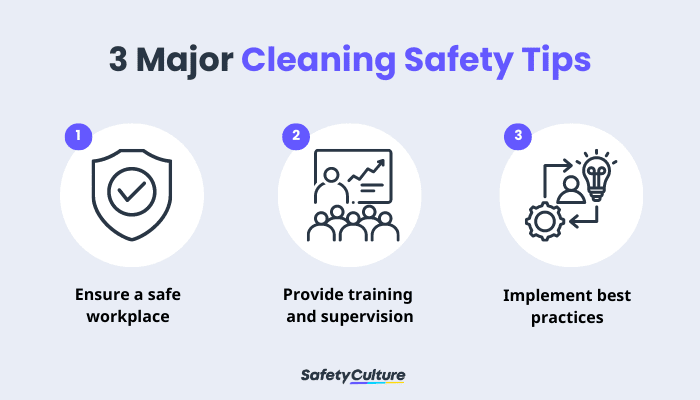
Safety measures are integral to any cleaning practice, particularly when working with vulnerable populations. Implementing comprehensive safety protocols ensures that both cleaning staff and participants are protected during the cleaning process. This includes using appropriate personal protective equipment (PPE), such as gloves and masks, to minimise exposure to harmful chemicals or allergens.
Additionally, training staff on safe lifting techniques and proper handling of equipment can prevent injuries and accidents. Another essential aspect of safety measures is the use of non-toxic and environmentally friendly cleaning products. Many traditional cleaning agents contain harsh chemicals that can pose health risks, especially for individuals with respiratory issues or sensitivities.
By opting for safer alternatives, cleaning companies can create a healthier environment for all users. Regular risk assessments should also be conducted to identify potential hazards in the cleaning process, allowing for timely adjustments to safety protocols as needed.
Utilizing Accessible Cleaning Equipment and Supplies
| Equipment and Supplies | Accessibility Rating | Usage Frequency |
|---|---|---|
| Vacuum Cleaner | High | Daily |
| Mop and Bucket | Medium | Weekly |
| All-Purpose Cleaner | High | Daily |
| Gloves | Low | As needed |
The choice of cleaning equipment and supplies can significantly impact the effectiveness and safety of cleaning practices. For individuals with disabilities or mobility challenges, using accessible equipment is crucial in ensuring that they can participate in maintaining their living spaces if they wish to do so. This may include lightweight vacuum cleaners, ergonomic mops, or tools designed for easy grip and manoeuvrability.
In addition to accessibility, it is essential to consider the local climate when selecting cleaning supplies. For instance, in Tasmania’s humid conditions, mould and mildew can be prevalent, necessitating the use of specialised products that effectively combat these issues. Similarly, in Western Australia’s dry climate, dust accumulation can be a concern, requiring regular dusting and vacuuming with appropriate equipment.
By utilising equipment tailored to both user needs and environmental factors, cleaning companies can enhance the overall effectiveness of their services.
Creating Clear and Concise Cleaning Procedures
Establishing clear and concise cleaning procedures is vital for ensuring consistency and quality in service delivery. These procedures should outline specific tasks, frequency of cleaning, and any special considerations based on individual user needs. By having a structured approach, cleaning staff can efficiently manage their time while ensuring that all areas are adequately addressed.
Moreover, clear procedures help maintain accountability among staff members. When everyone understands their responsibilities and the expected standards of cleanliness, it fosters a culture of professionalism and respect. This is particularly important when working with NDIS participants, as they deserve a reliable service that meets their expectations.
Regular reviews of these procedures can also help identify areas for improvement, ensuring that the cleaning practices remain relevant and effective.
Training and Educating Cleaning Staff on Safety and Accessibility
Investing in training and education for cleaning staff is essential for maintaining high standards of safety and accessibility. Staff should receive comprehensive training on the specific needs of NDIS participants, including how to communicate effectively and respectfully with individuals who may have varying levels of ability. This training should also cover the importance of privacy and dignity when providing cleaning services in personal spaces.
In addition to understanding participant needs, staff should be well-versed in safety protocols and best practices for using cleaning equipment. Regular training sessions can help reinforce these principles while keeping staff updated on any new products or techniques that may enhance their work. By prioritising education, cleaning companies can ensure that their teams are equipped to provide safe, respectful, and effective services.
Regular Maintenance and Inspection of Cleaning Equipment and Facilities
To uphold high standards of cleanliness and safety, regular maintenance and inspection of cleaning equipment are crucial. Well-maintained tools not only perform better but also reduce the risk of accidents or malfunctions during use. Cleaning companies should establish a routine schedule for inspecting equipment, ensuring that everything is in good working order before it is used in clients’ homes.
Additionally, facilities where cleaning supplies are stored should also be regularly inspected for safety hazards. This includes checking for proper ventilation when storing chemicals and ensuring that all supplies are organised and easily accessible. By maintaining both equipment and facilities, cleaning companies can demonstrate their commitment to providing a safe environment for both staff and participants.
Seeking Feedback and Making Continuous Improvements to the Cleaning Environment
Feedback from NDIS participants, support coordinators, and plan managers is invaluable in enhancing the quality of cleaning services provided. Regularly seeking input allows cleaning companies to identify areas for improvement while demonstrating a commitment to participant satisfaction. This feedback loop fosters trust between service providers and users, ensuring that everyone feels heard and valued.
Continuous improvement should be an integral part of any cleaning company’s ethos. By analysing feedback and implementing changes based on user experiences, companies can adapt their practices to better meet the evolving needs of their clients. This proactive approach not only enhances service quality but also reinforces the company’s dedication to creating a safe and accessible environment for all users.
In conclusion, creating a safe and accessible cleaning environment requires a multifaceted approach that prioritises understanding user needs, implementing safety measures, utilising appropriate equipment, establishing clear procedures, training staff effectively, maintaining equipment regularly, and seeking continuous feedback. By focusing on these key areas, cleaning companies can provide reliable services that respect participant privacy while promoting their well-being. If you’re looking for a trusted NDIS cleaning service that prioritises safety and accessibility in Launceston (Tasmania), Victoria, or Western Australia, TASPRO is here to help!
Our dedicated team is committed to providing high-quality cleaning solutions tailored to your unique needs. Contact us today to learn more about our services or to schedule a consultation!
When considering how to create a safe and accessible cleaning environment, it’s essential to also think about the cost implications and how to budget effectively for such initiatives. A related article that can provide valuable insights into this aspect is available on the TasPro Cleaning website. You can explore their detailed breakdown of cleaning prices in Launceston, which can help you understand the financial side of maintaining a clean and safe environment. For more information, check out their article on cleaning prices by visiting this link.
FAQs
What are the key elements of a safe and accessible cleaning environment?
The key elements of a safe and accessible cleaning environment include proper ventilation, adequate lighting, non-slip flooring, clear pathways, and the use of non-toxic cleaning products.
Why is it important to create a safe and accessible cleaning environment?
Creating a safe and accessible cleaning environment is important to prevent accidents, injuries, and exposure to harmful chemicals. It also ensures that everyone, including those with disabilities, can effectively and safely participate in cleaning activities.
How can ventilation contribute to a safe cleaning environment?
Proper ventilation helps to remove airborne pollutants and odors, reducing the risk of respiratory issues and allergic reactions. It also helps to maintain a comfortable and healthy indoor environment for cleaning activities.
What are some examples of non-toxic cleaning products?
Examples of non-toxic cleaning products include vinegar, baking soda, hydrogen peroxide, castile soap, and lemon juice. These products are environmentally friendly and safe for use around people and pets.
How can clear pathways contribute to an accessible cleaning environment?
Clear pathways ensure that individuals, including those with mobility aids or disabilities, can move around safely and access cleaning tools and equipment without obstacles or hazards in their way.
What are some tips for maintaining a safe and accessible cleaning environment?
Some tips for maintaining a safe and accessible cleaning environment include regular maintenance of equipment and facilities, providing training on safe cleaning practices, and promoting open communication about any safety concerns or accessibility needs.