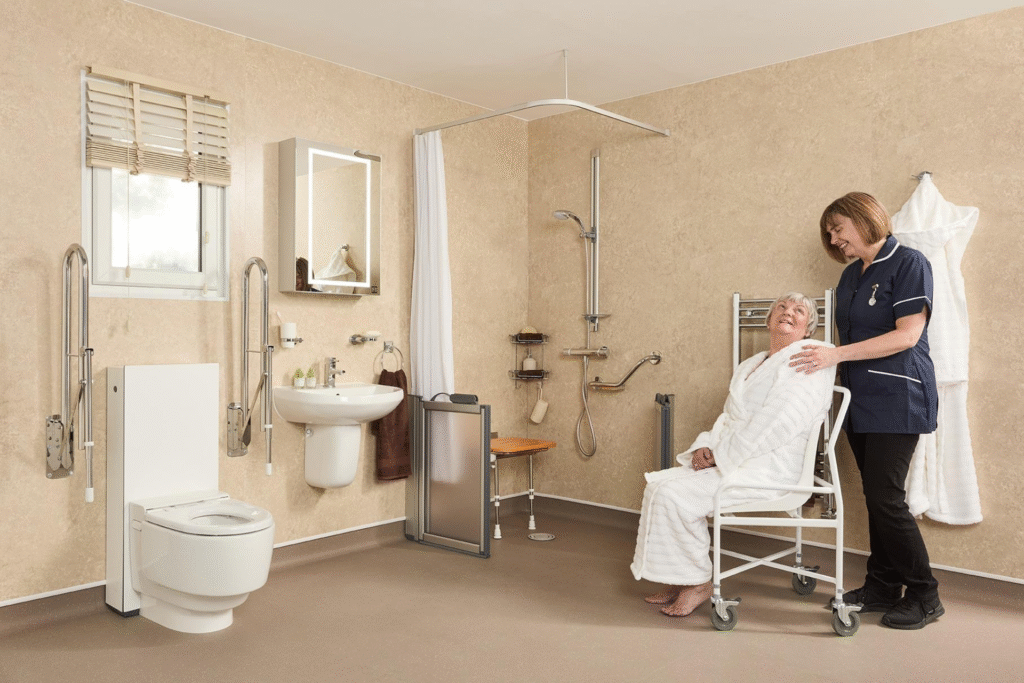
Navigating the National Disability Insurance Scheme (NDIS) can be a complex journey, especially when it comes to understanding how your plan can support your daily living needs. The NDIS is designed to provide funding for various supports and services that enhance the quality of life for individuals with disabilities. It’s essential to familiarise yourself with the specifics of your plan, including the types of support available and how they can be utilised effectively.
Your NDIS plan outlines the funding allocated for different categories, such as daily living expenses, which can include cleaning services. Understanding these categories is crucial, as it allows you to make informed decisions about how to allocate your funds. Take the time to read through your plan carefully, and don’t hesitate to reach out to your support coordinator or plan manager for clarification on any points that may be unclear.
They can provide valuable insights into how you can maximise your funding for cleaning services, ensuring that your home remains a safe and hygienic environment.
Key Takeaways
- Understanding your NDIS Plan is crucial for accessing the support you need for cleaning services
- Assessing Your Cleaning Needs involves evaluating the type and frequency of cleaning required in your home
- Identifying Your Cleaning Priorities helps in determining which areas or tasks are most important to address
- Allocating Time and Resources is essential for planning and budgeting for your cleaning needs
- Setting Realistic Goals ensures that you can achieve a clean and comfortable living environment within your capabilities
- Establishing a Routine helps in maintaining a consistent and manageable cleaning schedule
- Monitoring and Adjusting Your Schedule allows for flexibility and adaptation to changing needs or circumstances
- Seeking Professional Assistance, if needed, can provide additional support for more complex or challenging cleaning requirements
Assessing Your Cleaning Needs
Once you have a clear understanding of your NDIS plan, the next step is to assess your specific cleaning needs. Every home is unique, and so are the requirements for maintaining cleanliness and hygiene. Consider factors such as the size of your home, the number of rooms, and any specific areas that may require more attention, such as kitchens and bathrooms.
It’s also important to take into account any mobility challenges or health conditions that may affect your ability to clean effectively. For instance, if you have difficulty bending or reaching high places, certain tasks may need to be prioritised or delegated to a professional cleaning service. By identifying these needs early on, you can create a tailored cleaning plan that addresses your unique circumstances and ensures a comfortable living environment.
Identifying Your Cleaning Priorities

With a clear understanding of your cleaning needs, it’s time to identify your cleaning priorities. This involves determining which areas of your home require immediate attention and which tasks can be scheduled for later. For example, high-traffic areas such as living rooms and kitchens may need more frequent cleaning compared to less-used spaces like guest rooms.
Creating a list of priorities can help streamline the cleaning process. Consider categorising tasks into daily, weekly, and monthly responsibilities. Daily tasks might include wiping down surfaces and doing dishes, while weekly tasks could involve vacuuming and mopping floors.
Monthly tasks may include deep cleaning carpets or windows. By establishing these priorities, you can ensure that essential cleaning tasks are completed regularly while also allowing for flexibility in your schedule.
Allocating Time and Resources
| Task | Time Allocation | Resource Allocation |
|---|---|---|
| Project A | 40% | 3 team members |
| Project B | 20% | External consultant |
| Training | 10% | Training materials |
Once you have identified your cleaning priorities, the next step is to allocate time and resources effectively. This involves determining how much time you can realistically dedicate to cleaning each week and what resources you will need to accomplish these tasks. Consider creating a cleaning schedule that outlines specific days and times for each task.
In addition to time management, think about the resources required for effective cleaning. This includes cleaning supplies such as detergents, mops, brooms, and vacuum cleaners. If you’re unsure about what products are best suited for your home, consider consulting with a professional cleaning service that understands local cleaning standards and can recommend safe and effective products.
Setting Realistic Goals
Setting realistic goals is crucial for maintaining motivation and ensuring that your cleaning routine is sustainable over time. It’s important to recognise that perfection is not the goal; rather, the aim is to create a clean and comfortable living space that meets your needs. Start by setting small, achievable goals that can be gradually expanded as you become more comfortable with your routine.
For example, if you’re new to managing your own cleaning tasks, aim to complete one small task each day rather than overwhelming yourself with an extensive list. As you build confidence and establish a routine, you can increase the complexity of your goals. Remember that progress takes time, and celebrating small victories along the way can help keep you motivated.
Establishing a Routine
Establishing a consistent cleaning routine is key to maintaining a clean home environment. A routine not only helps ensure that tasks are completed regularly but also creates a sense of structure in your daily life. Consider incorporating cleaning tasks into your existing schedule, such as tidying up after meals or setting aside specific times during the week for deeper cleaning.
To make this routine more manageable, consider using visual aids such as checklists or calendars. These tools can serve as reminders for upcoming tasks and help you stay organised. Additionally, involving family members or support workers in the routine can foster a sense of teamwork and make cleaning feel less burdensome.
Monitoring and Adjusting Your Schedule
As you implement your cleaning routine, it’s important to monitor its effectiveness and make adjustments as needed. Life can be unpredictable, and circumstances may change that require you to adapt your schedule or priorities. Regularly reviewing your routine allows you to identify any areas that may need improvement or modification.
For instance, if you find that certain tasks are taking longer than anticipated or if you’re feeling overwhelmed by the workload, consider reassessing your goals or seeking additional support. Flexibility is key; don’t hesitate to adjust your schedule based on what works best for you at any given time.
Seeking Professional Assistance if Needed
If you find that managing your cleaning tasks becomes too overwhelming or if you simply prefer to focus on other aspects of your life, seeking professional assistance can be a valuable option. Engaging a trusted NDIS cleaning service can alleviate the burden of maintaining cleanliness in your home while ensuring that all tasks are completed to a high standard. Professional cleaners are trained in effective cleaning techniques and are familiar with local standards for hygiene and safety.
They can provide tailored services based on your specific needs, whether it’s regular home cleaning or specialised services like carpet or window cleaning. By enlisting professional help, you can enjoy peace of mind knowing that your home is in capable hands. In conclusion, navigating the complexities of maintaining a clean home while managing an NDIS plan requires careful planning and consideration.
By understanding your plan, assessing your needs, setting realistic goals, and establishing a routine, you can create an environment that promotes comfort and well-being. Remember that seeking professional assistance is always an option if needed; it’s about finding what works best for you. If you’re ready to take the next step towards a cleaner home environment with the support of TASPRO’s trusted NDIS cleaning services, don’t hesitate to reach out!
Our team is here to assist you in creating a tailored cleaning plan that meets your unique needs while ensuring reliability, respect, and privacy throughout the process. Contact us today to learn more about how we can help!
Creating a cleaning schedule that aligns with your NDIS plan can significantly enhance your living environment and ensure that your specific needs are met efficiently. For those looking to delve deeper into specialized cleaning services, you might find the article on NDIS Cleaning in Launceston particularly insightful. This resource provides detailed information on how professional cleaning services can be tailored to fit the unique requirements of NDIS participants, ensuring a clean and safe home environment. By integrating these services into your routine, you can maintain a well-organized and hygienic living space that supports your health and well-being.
FAQs
What is an NDIS plan?
An NDIS plan is a personalized plan developed for individuals with disabilities in Australia under the National Disability Insurance Scheme (NDIS). It outlines the supports and services that a person with a disability will receive to help them achieve their goals and improve their quality of life.
Why is it important to create a cleaning schedule that fits your NDIS plan?
Creating a cleaning schedule that fits your NDIS plan is important because it helps individuals with disabilities maintain a clean and healthy living environment, which is essential for their overall well-being. It also ensures that the cleaning tasks are aligned with the supports and services outlined in their NDIS plan.
How can I create a cleaning schedule that fits my NDIS plan?
To create a cleaning schedule that fits your NDIS plan, you can start by identifying the cleaning tasks that you need assistance with due to your disability. Then, you can work with your support coordinator or carer to allocate the necessary supports and services for those cleaning tasks in your NDIS plan.
What are some tips for creating a cleaning schedule that fits my NDIS plan?
Some tips for creating a cleaning schedule that fits your NDIS plan include:
– Identifying the specific cleaning tasks that you need assistance with
– Allocating the appropriate supports and services for those cleaning tasks in your NDIS plan
– Collaborating with your support coordinator or carer to ensure that the cleaning schedule is realistic and manageable for you
– Regularly reviewing and adjusting the cleaning schedule as needed to meet your changing needs and goals.
How can a cleaning schedule support my NDIS goals?
A cleaning schedule can support your NDIS goals by ensuring that your living environment is clean, safe, and conducive to achieving your goals. It can also help you maintain independence and improve your overall well-being by addressing any barriers related to cleaning tasks that may impact your ability to participate in community activities or social interactions.