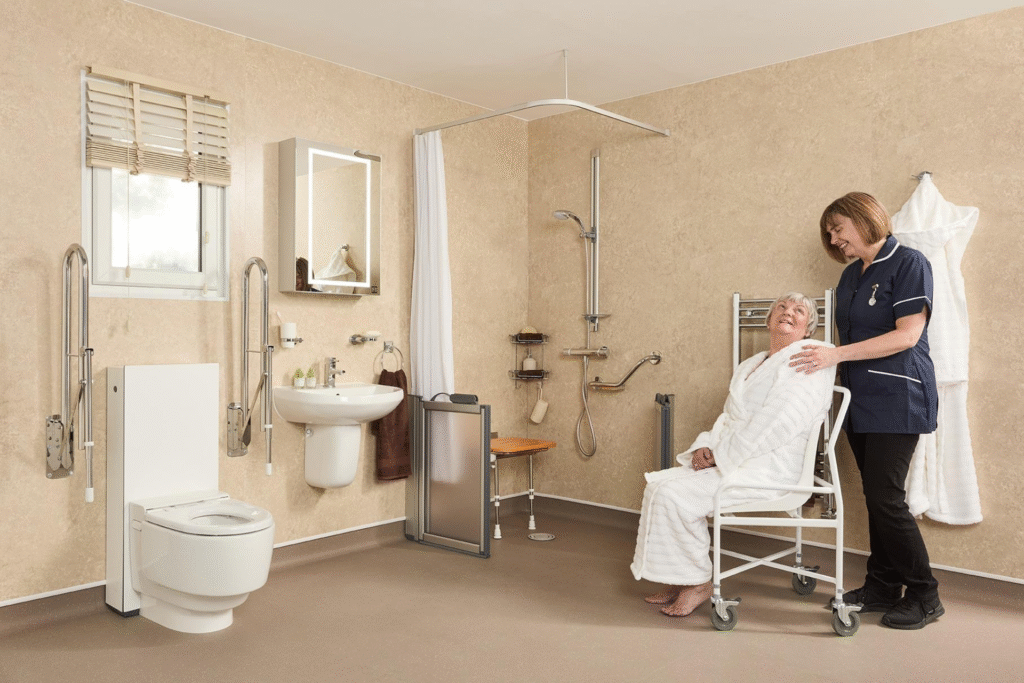
Understanding your specific cleaning needs is the first step towards maintaining a clean and healthy living environment. For NDIS participants, this assessment can be particularly important, as it allows you to identify areas that require more attention due to mobility challenges or other considerations. Take a moment to walk through your home and note the spaces that need cleaning, such as kitchens, bathrooms, and living areas.
Consider the frequency of use for each space and how it impacts your overall well-being. Additionally, think about any special requirements you may have. For instance, if you have allergies or sensitivities, you might need to focus on dusting and vacuuming more frequently.
If you have pets, you may need to pay extra attention to fur and dander. By thoroughly assessing your cleaning needs, you can create a tailored plan that addresses your unique situation, ensuring that your home remains a safe and comfortable space.
Key Takeaways
- Assess your cleaning needs by taking stock of the size of your space, the level of foot traffic, and any specific cleaning requirements.
- Set realistic cleaning goals by considering your available time, energy, and resources, and avoid overwhelming yourself with unattainable expectations.
- Prioritize cleaning tasks by identifying the most important areas that require regular attention and focusing on those first.
- Create a cleaning schedule to help you stay organized and on track with your cleaning routine, and make adjustments as needed.
- Identify budget-friendly cleaning products and utilize DIY cleaning solutions to save money and reduce the use of harsh chemicals in your home.
- Implement time-saving cleaning techniques such as using multi-purpose cleaning tools and establishing efficient cleaning routines to maximize your productivity.
- Evaluate and adjust your cleaning plan regularly to ensure that it remains effective and meets your evolving cleaning needs and goals.
Set Realistic Cleaning Goals
Once you have assessed your cleaning needs, the next step is to set realistic cleaning goals. It’s essential to establish achievable objectives that align with your lifestyle and capabilities. For example, instead of aiming to clean your entire home in one day, consider breaking it down into smaller tasks that can be completed over several days or weeks.
This approach not only makes the process less overwhelming but also allows you to maintain a consistent level of cleanliness. When setting these goals, think about what is most important to you. Do you want to focus on decluttering first, or is it more crucial to ensure that high-traffic areas are cleaned regularly?
By prioritising your goals based on your personal preferences and needs, you can create a more effective cleaning strategy that enhances your living environment without causing unnecessary stress.
Prioritize Cleaning Tasks

With your goals in place, it’s time to prioritise your cleaning tasks. Not all areas of your home require the same level of attention, so it’s important to identify which tasks should take precedence. For instance, kitchens and bathrooms often require more frequent cleaning due to hygiene concerns, while bedrooms may need less regular attention.
Creating a list of tasks can help you visualise what needs to be done. You might consider categorising tasks into daily, weekly, and monthly priorities. Daily tasks could include washing dishes and wiping down surfaces, while weekly tasks might involve vacuuming and mopping floors.
Monthly tasks could encompass deep cleaning carpets or windows. By prioritising these tasks, you can ensure that essential areas are kept clean while also allowing time for less urgent chores.
Create a Cleaning Schedule
| Task | Frequency | Responsible |
|---|---|---|
| Vacuuming | Every day | Janitorial staff |
| Dusting | Twice a week | Office manager |
| Mopping | Every other day | Cleaning crew |
| Trash removal | Every day | Janitorial staff |
A well-structured cleaning schedule can be a game-changer in maintaining a tidy home. By allocating specific days for particular tasks, you can create a routine that fits seamlessly into your lifestyle. For NDIS participants, having a consistent schedule can provide a sense of stability and control over their environment.
When creating your schedule, consider factors such as your energy levels and availability. If you find that you have more energy in the mornings, plan to tackle more demanding tasks during that time. Conversely, if afternoons are better suited for lighter chores, adjust your schedule accordingly.
A simple table can help you visualise your cleaning routine:
| Day | Task |
| Monday | Vacuum living areas |
| Tuesday | Clean kitchen surfaces |
| Wednesday | Dust bedrooms |
| Thursday | Mop floors |
| Friday | Clean bathrooms |
| Saturday | Declutter and organise |
| Sunday | Rest day |
By following a structured schedule, you can ensure that all areas of your home receive the attention they deserve while also allowing for flexibility when needed.
Identify Budget-Friendly Cleaning Products
Finding budget-friendly cleaning products is essential for maintaining cleanliness without breaking the bank. There are numerous options available that are both effective and affordable. When selecting products, look for those that meet Australian cleaning standards and are safe for use in homes with NDIS participants.
Consider purchasing multi-purpose cleaners that can be used on various surfaces, reducing the need for multiple products. Additionally, buying in bulk can often save money in the long run. Don’t forget to check local stores for sales or discounts on cleaning supplies; many retailers offer promotions that can help you save.
Utilize DIY Cleaning Solutions
DIY cleaning solutions can be an excellent way to maintain cleanliness while being mindful of both budget and safety. Many common household items can be used effectively for cleaning purposes without the harsh chemicals found in commercial products. For example, vinegar and baking soda are powerful allies in tackling tough stains and odours.
Here are a few simple DIY solutions:
All-Purpose Cleaner: Mix equal parts water and vinegar in a spray bottle for an effective surface cleaner.
Glass Cleaner: Combine one part water with one part vinegar for streak-free windows.
Deodorising Carpet Powder: Sprinkle baking soda on carpets before vacuuming to neutralise odours.
By utilising these DIY solutions, you can create a safe and effective cleaning environment while also being environmentally conscious.
Implement Time-Saving Cleaning Techniques
Incorporating time-saving techniques into your cleaning routine can significantly reduce the time spent on chores while still achieving excellent results. One effective method is the “clean as you go” approach, which involves tidying up messes immediately rather than letting them accumulate. This technique is particularly useful in kitchens and bathrooms where spills and clutter can quickly become overwhelming.
Another time-saving tip is to use tools designed for efficiency. Microfiber cloths are excellent for dusting as they trap dirt effectively without the need for additional cleaners. Additionally, consider investing in a robotic vacuum cleaner if it fits within your budget; these devices can help maintain cleanliness with minimal effort on your part.
Evaluate and Adjust Your Cleaning Plan
Finally, it’s important to regularly evaluate and adjust your cleaning plan as needed. Life circumstances can change, and so too can your cleaning needs. Take time every few months to assess what is working well and what may need improvement.
Are there tasks that consistently get overlooked? Are there areas that require more frequent attention? By being flexible with your plan, you can ensure that it continues to meet your needs effectively.
Don’t hesitate to make adjustments based on feedback from support coordinators or plan managers who may have insights into best practices for maintaining cleanliness in your home. How TASPRO Can Help. At TASPRO, we understand the unique challenges faced by NDIS participants when it comes to maintaining a clean home environment. Our dedicated team is committed to providing reliable and respectful cleaning services tailored to meet your specific needs.
Whether you require regular home cleaning or specialised services such as end-of-lease or carpet cleaning, we are here to support you.
To get started with TASPRO:
1. Contact Us: Reach out via our website or phone to discuss your cleaning needs.
2. Consultation: We will arrange a consultation to assess your requirements and preferences.
3. Customised Plan: Our team will develop a tailored cleaning plan that aligns with your goals.
4. Ongoing Support: We offer ongoing support and adjustments as needed to ensure your satisfaction.
We prioritise participant wellbeing, privacy, and respect in all our services, ensuring that you feel comfortable and cared for in your own home. If you’re ready to experience the difference with TASPRO’s trusted NDIS cleaning services, don’t hesitate to contact us today! Let us help you create a clean and welcoming environment where you can thrive.
When developing a cleaning plan that aligns with your support budget, it’s essential to consider various factors such as the size of the space, frequency of cleaning, and specific cleaning needs. A well-structured plan not only ensures a clean and healthy environment but also optimizes costs. For businesses, especially offices, tailoring a cleaning plan can significantly impact productivity and employee satisfaction. For more insights on maintaining a pristine office environment, you might find the article on Office Cleaning in Launceston helpful. It provides detailed information on professional cleaning services that can be customized to fit different budgetary requirements, ensuring that your office remains spotless without overspending.
FAQs
What is a cleaning plan?
A cleaning plan is a structured approach to managing and organizing cleaning tasks within a specific budget and timeframe.
Why is it important to create a cleaning plan that fits your support budget?
Creating a cleaning plan that fits your support budget is important because it helps to ensure that cleaning tasks are completed efficiently and effectively without overspending on resources.
What are the key components of a cleaning plan?
Key components of a cleaning plan include identifying cleaning tasks, setting a budget, allocating resources, establishing a schedule, and monitoring progress.
How can I create a cleaning plan that fits my support budget?
To create a cleaning plan that fits your support budget, start by identifying the cleaning tasks that need to be completed, then allocate resources and set a budget that aligns with your support budget. It’s important to prioritize tasks and be realistic about what can be achieved within the given budget.
What are the benefits of creating a cleaning plan that fits your support budget?
Benefits of creating a cleaning plan that fits your support budget include cost savings, improved efficiency, better resource allocation, and a more organized and structured approach to cleaning tasks.