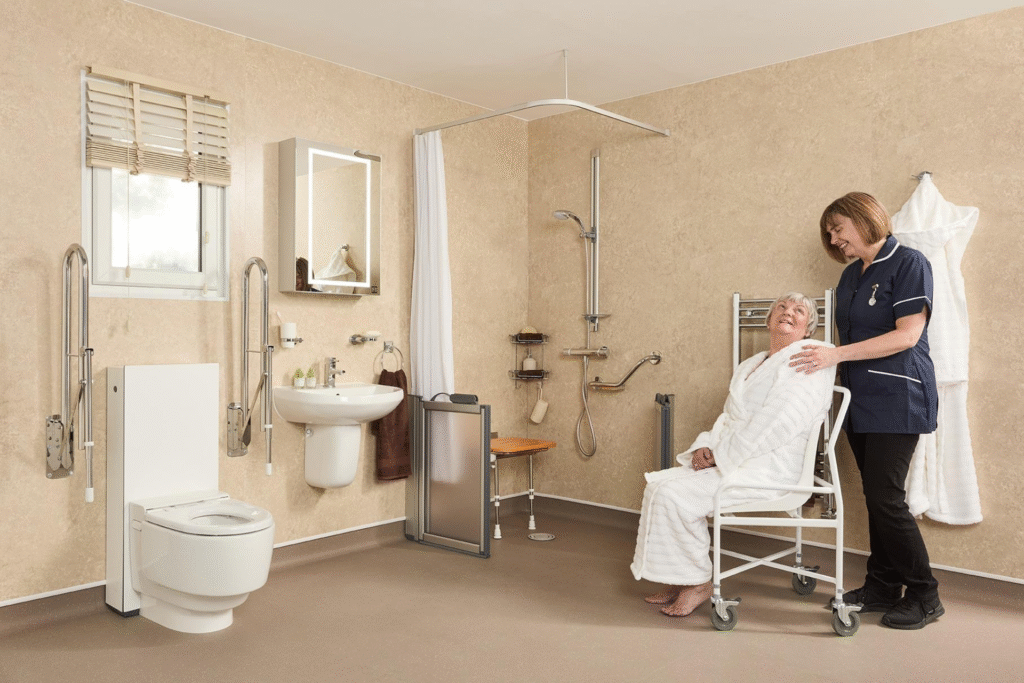
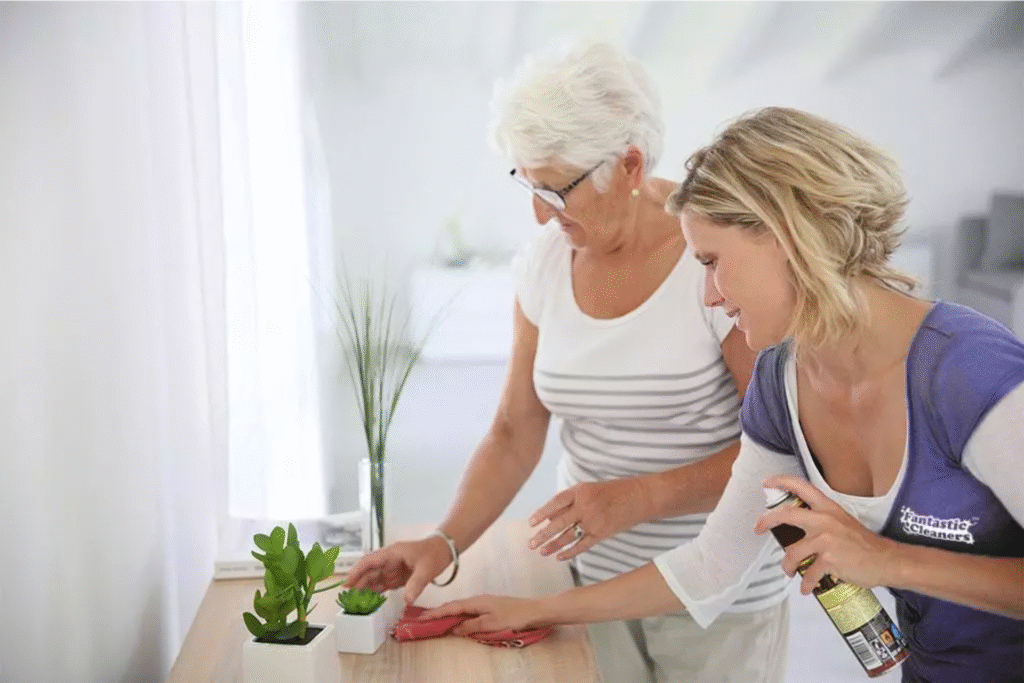
Cleaning can often be a daunting task, particularly for individuals participating in the National Disability Insurance Scheme (NDIS). For many, the act of maintaining a clean and organised home is not just about aesthetics; it is crucial for their overall well-being and quality of life. However, various challenges can arise that make cleaning a significant hurdle.
These challenges can stem from physical limitations, sensory sensitivities, cognitive difficulties, or a combination of these factors. For NDIS participants, the need for a clean living environment is paramount, yet the ability to achieve this can be hindered by their unique circumstances. This article aims to explore the specific cleaning challenges faced by NDIS participants and provide practical solutions to help them maintain a safe and hygienic home.
By understanding these challenges, we can better support individuals in overcoming them, ensuring that they feel empowered and capable in their daily lives. NDIS Cleaning services are essential for individuals with disabilities to maintain a clean and healthy living environment.
Key Takeaways
- NDIS participants face unique challenges when it comes to cleaning due to their disabilities and limitations.
- Understanding the specific needs and limitations of NDIS participants is crucial for providing effective cleaning support.
- Mobility limitations can be overcome through the use of adaptive equipment and personalized cleaning strategies.
- Sensory sensitivities must be taken into consideration when cleaning for NDIS participants, and using gentle, non-irritating cleaning products is essential.
- Cognitive and executive function challenges can be addressed through simplified cleaning routines and the use of visual aids and reminders.
Understanding the Unique Needs of NDIS Participants
Every NDIS participant has their own set of needs and preferences that must be taken into account when it comes to cleaning. These needs can vary widely based on individual circumstances, including physical abilities, sensory processing issues, and cognitive functions. Understanding these unique requirements is essential for creating an effective cleaning strategy that promotes independence and dignity.
For instance, some participants may have mobility limitations that make it difficult to reach high or low areas, while others may experience sensory sensitivities that make certain cleaning products or sounds overwhelming. Additionally, cognitive challenges can affect an individual’s ability to plan and execute cleaning tasks effectively. By recognising these diverse needs, support coordinators and plan managers can tailor cleaning solutions that are both practical and respectful of each participant’s preferences.
Overcoming Mobility Limitations in Cleaning
Mobility limitations can significantly impact an individual’s ability to perform cleaning tasks independently. For those who use wheelchairs or have difficulty bending or reaching, traditional cleaning methods may not be feasible. However, there are several strategies that can help overcome these challenges and promote a cleaner living environment.
One effective approach is to utilise long-handled cleaning tools, such as dusters and mops, which allow individuals to clean hard-to-reach areas without straining themselves. Additionally, using lightweight vacuum cleaners or robotic vacuums can make the task of floor cleaning much more manageable. It’s also beneficial to create a cleaning schedule that breaks tasks into smaller, more achievable segments, allowing participants to focus on one area at a time without feeling overwhelmed.
Moreover, enlisting the help of professional cleaning services that specialise in NDIS cleaning can provide invaluable support. These services are designed to cater specifically to the needs of individuals with disabilities, ensuring that cleaning is conducted safely and effectively while respecting the participant’s privacy and preferences.
Managing Sensory Sensitivities during Cleaning
| Technique | Effectiveness | Difficulty |
|---|---|---|
| Using unscented cleaning products | High | Low |
| Wearing gloves to reduce skin contact | Medium | Low |
| Using noise-canceling headphones | Low | Medium |
| Implementing a cleaning schedule to minimize exposure | High | High |
Sensory sensitivities can pose significant challenges during cleaning tasks for many NDIS participants. Certain smells from cleaning products, the sound of vacuum cleaners, or even the texture of cleaning cloths can trigger discomfort or anxiety. Therefore, it is essential to adopt strategies that minimise sensory overload while still achieving cleanliness.
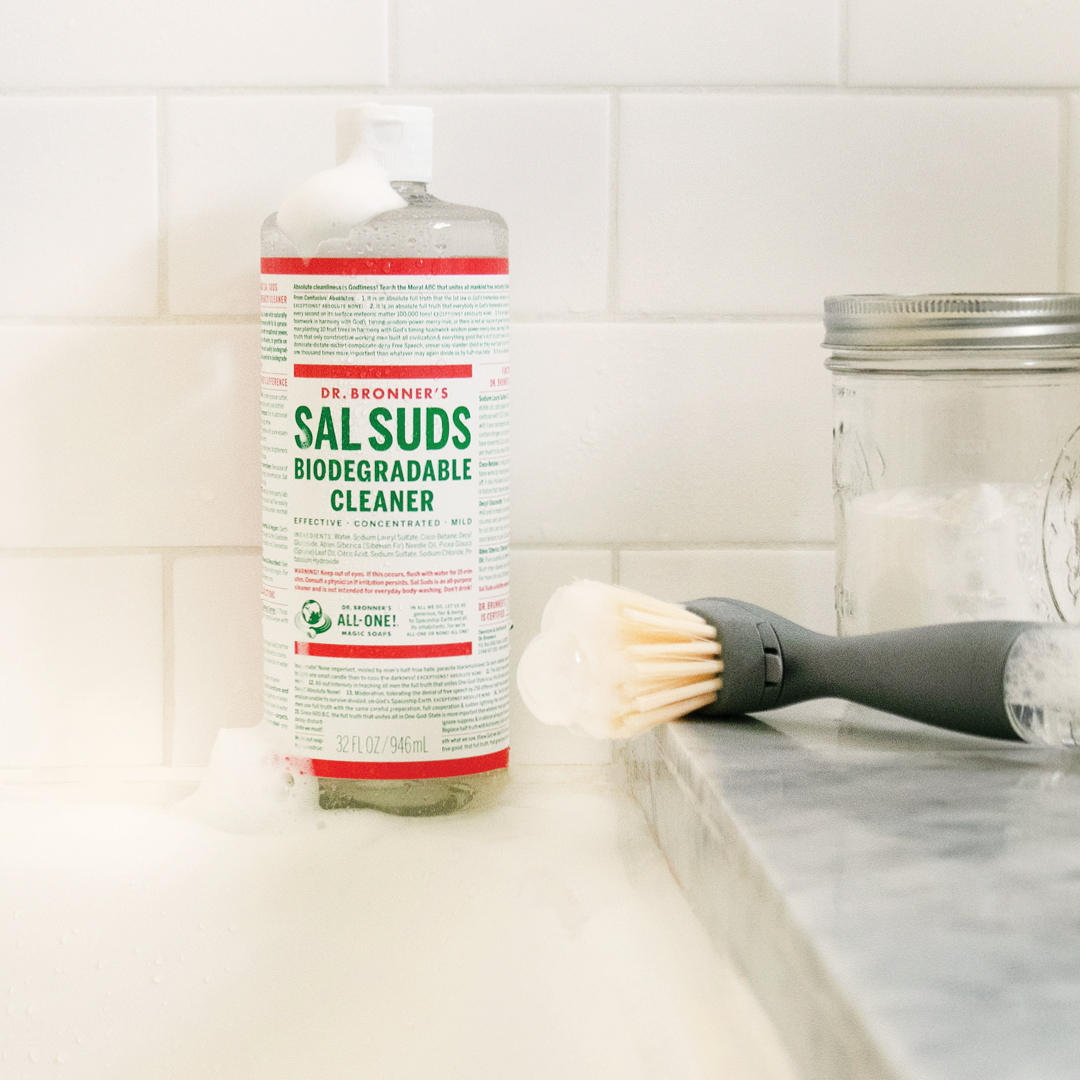
One effective method is to choose hypoallergenic and fragrance-free cleaning products that are less likely to irritate. Many eco-friendly brands offer products specifically designed for sensitive individuals, ensuring a safe and pleasant cleaning experience. Additionally, using soft cloths or sponges can help reduce tactile discomfort during cleaning tasks.
Creating a calming environment during cleaning can also be beneficial. This might involve playing soft music at a low volume or using noise-cancelling headphones for those who are sensitive to sound. Establishing a routine can provide predictability and comfort, allowing participants to feel more in control during the cleaning process.
Addressing Cognitive and Executive Function Challenges in Cleaning
Cognitive challenges can significantly impact an individual’s ability to manage cleaning tasks effectively. For many NDIS participants, difficulties with executive function—such as planning, organisation, and task initiation—can make it hard to maintain a clean home. However, there are several strategies that can help address these challenges.
One effective approach is to create visual schedules or checklists that outline specific cleaning tasks. Breaking down larger tasks into smaller, manageable steps can make the process less overwhelming and easier to follow. For example, instead of “clean the kitchen,” a checklist might include “wipe down countertops,” “wash dishes,” and “sweep the floor.” This method not only provides clarity but also offers a sense of accomplishment as each task is completed.
Additionally, using timers can help participants stay focused and motivated during cleaning sessions. Setting a timer for 15-20 minutes allows individuals to work in short bursts, making the task feel less daunting. After the timer goes off, they can take a break before continuing with the next task.
This approach encourages productivity while also respecting the participant’s need for rest.
Utilizing Assistive Devices and Technology for Cleaning
In today’s world, technology plays a vital role in enhancing independence for individuals with disabilities. There are numerous assistive devices and technological solutions available that can simplify cleaning tasks for NDIS participants. These tools not only promote safety but also empower individuals to take charge of their living environment.
For instance, robotic vacuum cleaners have gained popularity for their ability to autonomously clean floors without requiring physical effort from the user. These devices can be programmed to operate at specific times, ensuring that floors remain clean with minimal intervention. Similarly, lightweight handheld vacuums can be easier for individuals with limited strength or mobility to manage.
Smart home technology also offers innovative solutions for cleaning tasks. Voice-activated assistants can help set reminders for cleaning schedules or even control smart appliances like robotic vacuums. By integrating technology into daily routines, NDIS participants can enhance their independence while maintaining a clean and organised home.
Creating a Supportive and Accessible Cleaning Environment
Creating a supportive and accessible cleaning environment is crucial for empowering NDIS participants to manage their own cleaning tasks effectively. This involves not only adapting the physical space but also fostering a positive mindset towards cleanliness. One way to enhance accessibility is by organising cleaning supplies in easily reachable locations.
Using caddies or baskets can help keep items together and within arm’s reach, reducing the need for bending or stretching. Labelling containers with clear descriptions can also assist individuals in locating supplies quickly and efficiently. Moreover, fostering a positive attitude towards cleanliness is essential for motivation.
Encouraging NDIS participants to take pride in their living space can lead to increased engagement in cleaning tasks. Celebrating small achievements—such as completing a checklist or maintaining a tidy room—can boost confidence and reinforce positive behaviours.
Empowering NDIS Participants to Conquer Cleaning Challenges
Cleaning should not be an insurmountable challenge for NDIS participants; rather, it should be an empowering experience that promotes independence and wellbeing. By understanding the unique needs of individuals with disabilities and implementing practical strategies tailored to their circumstances, we can help them conquer their cleaning challenges. From utilising assistive devices and technology to creating supportive environments and routines, there are numerous ways to facilitate effective cleaning practices.
Support coordinators and plan managers need to work collaboratively with participants to develop personalised solutions that respect their preferences while promoting safety and hygiene. At TASPRO, we are committed to providing reliable NDIS cleaning services tailored specifically for individuals in Launceston (Tasmania), Victoria, and Western Australia. Our team understands the importance of maintaining a clean living environment while respecting privacy and individual needs.
How TASPRO Can Help: If you or someone you know is an NDIS participant facing challenges with cleaning, TASPRO is here to assist you every step of the way. Our professional team offers a range of services designed specifically for NDIS participants, including home cleaning, end-of-lease cleaning, office cleaning, carpet cleaning, window cleaning, and pressure cleaning.
To get started:
1. Contact Us: Reach out via our website or phone number.
2. Discuss Your Needs: Share your specific requirements with our friendly team.
3. Receive Tailored Solutions: We will work with you to create a customised plan that meets your needs.
4. Enjoy Peace of Mind: Let us handle the cleaning while you focus on what matters most. We invite you to contact us today! Together, we can create a cleaner, safer environment that empowers you or your loved ones to thrive in their daily lives.
In addition to addressing the “5 Common Cleaning Challenges for NDIS Participants (and How to Fix Them),” individuals seeking comprehensive cleaning solutions might find the article on end-of-lease cleaning particularly insightful. This related piece delves into the intricacies of ensuring a spotless environment when transitioning between homes, which can be especially beneficial for NDIS participants who require tailored cleaning services to meet specific needs. By exploring both articles, readers can gain a broader understanding of effective cleaning strategies and solutions tailored to diverse circumstances.
FAQs
What are the common cleaning challenges for NDIS participants?
Some common cleaning challenges for NDIS participants include difficulty with heavy lifting, reaching high or low areas, managing clutter, and maintaining a clean and hygienic living environment.
How can NDIS participants address difficulty with heavy lifting?
NDIS participants can address difficulty with heavy lifting by using assistive devices such as trolleys, wheelbarrows, or lightweight cleaning tools. They can also consider hiring a support worker to assist with heavy lifting tasks.
What solutions are available for NDIS participants who have trouble reaching high or low areas?
NDIS participants who have trouble reaching high or low areas can use long-handled cleaning tools, step stools, or reacher grabbers to make these tasks more manageable. They can also seek assistance from a support worker for tasks that require reaching difficult areas.
How can NDIS participants manage clutter in their living environment?
NDIS participants can manage clutter in their living environment by implementing organizational systems, decluttering regularly, and using storage solutions such as bins, baskets, and shelves. They can also seek support from a professional organizer or support worker to help with decluttering and organizing.
What strategies can NDIS participants use to maintain a clean and hygienic living environment?
NDIS participants can maintain a clean and hygienic living environment by establishing a regular cleaning routine, using cleaning products that are safe and easy to use, and seeking assistance from a support worker for tasks that require more intensive cleaning. They can also consider using professional cleaning services if needed.