One of the most common oversights in maintaining blinds is neglecting to dust them regularly. Dust accumulation not only detracts from the aesthetic appeal of your home but can also lead to more significant cleaning challenges down the line. In Australia, where dust storms can occur, especially in the outback regions, it’s essential to keep your blinds clean to prevent allergens from circulating in your living space.
Regular dusting helps maintain a healthier environment, particularly for those with allergies or respiratory issues. To effectively dust your blinds, consider using a microfiber cloth or a duster designed for this purpose. These tools are excellent at trapping dust rather than just moving it around.
Aim to dust your blinds at least once a month, or more frequently if you live in a particularly dusty area or have pets. This simple habit can save you time and effort when it comes to deeper cleaning sessions. Contact us now!
Key Takeaways
- Not dusting regularly can lead to a buildup of dirt and grime on blinds, making them harder to clean.
- Using harsh chemicals can damage the material of the blinds and affect their appearance and functionality.
- Using too much water can cause warping or discolouration of the blinds, especially if they are made of wood or fabric.
- Using abrasive materials like rough sponges or brushes can scratch or tear the blinds, ruining their finish.
- Not checking the manufacturer’s instructions can result in using the wrong cleaning products or methods, leading to damage.
Using Harsh Chemicals
When it comes to cleaning blinds, many homeowners make the mistake of reaching for harsh chemicals. While these products may promise quick results, they can damage the materials of your blinds and pose health risks to your family and pets. In Australia, where eco-friendliness is increasingly valued, opting for gentler cleaning solutions is not only safer but also more sustainable.
Instead of chemical-laden cleaners, consider using a mixture of warm water and mild dish soap. This solution is effective for most types of blinds and is safe for both your family and the environment. For those who prefer a more natural approach, vinegar diluted with water can also work wonders.
Always remember to test any cleaning solution on a small, inconspicuous area first to ensure it won’t cause discolouration or damage.
Using Too Much Water
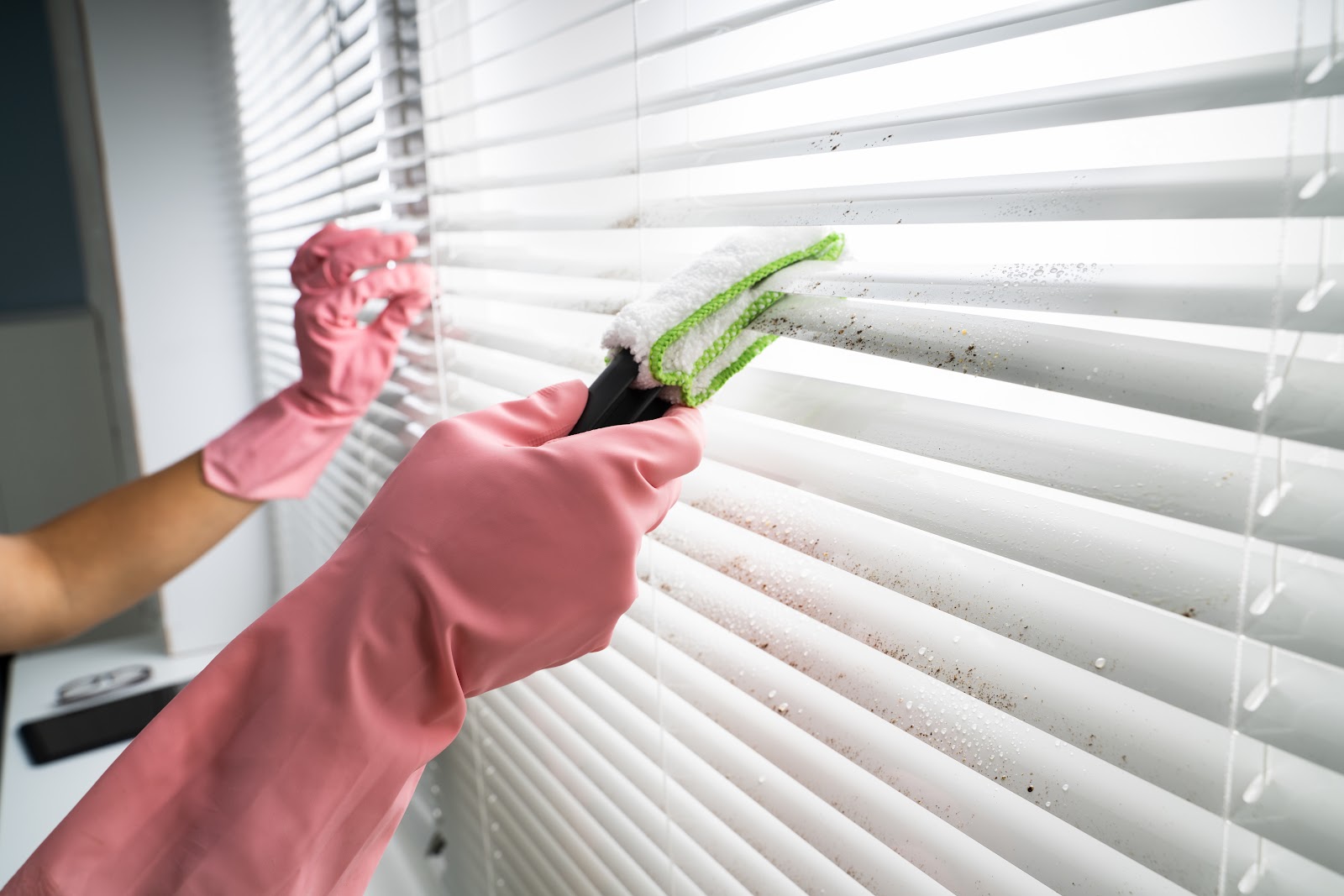
Another common pitfall in blind cleaning is using too much water. While it might seem logical that more water equals a better clean, excessive moisture can lead to problems such as warping or mould growth, especially in humid Australian climates. Blinds made from materials like wood or fabric are particularly susceptible to damage from excess water.
To avoid this issue, use a damp cloth rather than soaking your blinds. Wring out any excess water before applying it to the surface. If you’re cleaning fabric blinds, consider using a vacuum with an upholstery attachment instead of water.
This method effectively removes dust and dirt without the risk of damaging the material.
Using Abrasive Materials
Using abrasive materials is another mistake that can lead to unsightly scratches and damage on your blinds. Many homeowners may think that scrubbing harder will yield better results, but this approach often backfires. In Australia, where many homes feature stylish yet delicate blinds, such as sheer or wooden varieties, it’s crucial to treat these materials with care.
Instead of abrasive sponges or scrubbers, opt for soft cloths or sponges designed for delicate surfaces. For stubborn stains, gently rub the area with a soft-bristled brush or a cloth dampened with a suitable cleaning solution. This way, you can maintain the integrity of your blinds while still achieving a thorough clean.
Not Checking the Manufacturer’s Instructions
One of the most overlooked aspects of cleaning blinds is failing to consult the manufacturer’s instructions. Each type of blind—be it Venetian, roller, or vertical—has specific care requirements that are crucial for maintaining its appearance and functionality. In Australia, where many homeowners invest in quality window treatments, understanding these guidelines can prolong the life of your blinds significantly.
Before embarking on any cleaning regimen, take a moment to read through the care instructions provided by the manufacturer. This information will often include recommended cleaning products and techniques tailored to the specific materials used in your blinds. Following these guidelines not only ensures effective cleaning but also protects your investment in quality window coverings.
Ignoring the Type of Blinds

Different types of blinds require different cleaning methods, and ignoring this fact can lead to damage or ineffective cleaning. For instance, faux wood blinds can typically withstand more moisture than real wood blinds, which may warp if exposed to excessive water. In Australia’s diverse climate—from humid coastal areas to dry inland regions—understanding the specific needs of your blinds is essential.
Take time to identify the material and type of your blinds before cleaning them. For example, fabric blinds may require gentle vacuuming or spot cleaning rather than soaking in water. By tailoring your cleaning approach to the specific type of blinds you have, you can ensure they remain in excellent condition for years to come.
Not Protecting the Surrounding Area
When cleaning blinds, it’s easy to focus solely on the task at hand and forget about protecting the surrounding area. However, neglecting this step can lead to unwanted messes and potential damage to your furnishings or flooring. In Australian homes, where many people have beautiful hardwood floors or delicate carpets, taking precautions is vital.
Before you start cleaning, lay down towels or drop cloths beneath your blinds to catch any drips or debris that may fall during the process. This simple step can save you from additional clean-up later and protect your surfaces from accidental stains or scratches. Additionally, consider moving any nearby furniture out of the way to prevent accidental damage while you work.
Neglecting to Dry the Blinds Properly
After cleaning your blinds, it’s crucial not to overlook the drying process. Leaving moisture on your blinds can lead to mould growth and unpleasant odours, particularly in Australia’s humid summer months. Proper drying ensures that your blinds remain in good condition and free from any potential damage caused by excess moisture.
To dry your blinds effectively, use a clean, dry microfiber cloth to wipe down each slat after cleaning. If possible, open the windows to allow for better air circulation while drying. For fabric blinds, consider using a fan or dehumidifier in the room to speed up the drying process.
Taking these steps will help maintain the integrity of your blinds and keep them looking fresh.
Using the Wrong Cleaning Technique
Using the wrong cleaning technique can lead to ineffective results and even damage your blinds over time. Many homeowners may not realise that different materials require different approaches; for instance, using a wet cloth on wooden blinds can cause warping, while dry dusting may not remove all allergens from fabric blinds. To ensure you’re using the right technique, research the best methods for your specific type of blind.
For example, vertical blinds may benefit from being cleaned while they are still hanging by simply wiping them down with a damp cloth, while roller blinds might need to be removed for a thorough clean. Understanding these nuances will help you achieve better results and prolong the life of your window treatments.
Not Inspecting for Damage Before Cleaning
Before diving into a cleaning session, it’s essential to inspect your blinds for any signs of damage. Failing to do so can exacerbate existing issues and lead to costly repairs down the line. In Australia’s varied climate—where sun exposure can fade colours and humidity can warp materials—regular inspections are vital for maintaining your blinds.
Look for frayed cords, bent slats, or signs of wear before you begin cleaning. If you notice any damage, address these issues before proceeding with your cleaning routine. This proactive approach not only ensures that you don’t inadvertently worsen any problems but also helps you keep track of when repairs may be necessary.
Forgetting to Maintain the Blinds Regularly
Finally, one of the biggest mistakes homeowners make is forgetting to maintain their blinds regularly. Just like any other part of your home, blinds require consistent care to stay in good condition. In Australia’s diverse climate—where dust storms and humidity can take their toll—regular maintenance is essential for keeping your window treatments looking their best.
Set a schedule for regular maintenance tasks such as dusting and deep cleaning every few months. This proactive approach will help prevent dirt buildup and prolong the life of your blinds. Additionally, consider incorporating maintenance into your seasonal cleaning routine; this way, it becomes a natural part of keeping your home tidy and welcoming.
How TASPRO Can Help. At TASPRO Cleaning Services, we understand that maintaining clean and well-cared-for blinds can be a daunting task for homeowners and property managers alike. Our team of professionals is equipped with the knowledge and tools necessary to handle all types of blind cleaning efficiently and safely. Whether you need end-of-lease cleaning or regular maintenance for your office space, we’ve got you covered.
We offer tailored services that cater specifically to your needs—be it eco-friendly cleaning solutions or specialised NDIS cleaning services designed for those with unique requirements. Our commitment to quality ensures that we treat every job with care and attention to detail. If you’re ready to take the hassle out of blind maintenance or need assistance with other cleaning tasks like carpet cleaning or window cleaning, don’t hesitate!
Get a quote online today and let TASPRO help you keep your home or office looking its best!
In addition to learning about blind cleaning mistakes to avoid, you might find it helpful to explore other cleaning tips and services that can enhance your home’s cleanliness. For instance, if you’re preparing to move out and need to ensure your space is spotless, consider reading about end-of-lease cleaning. This article provides valuable insights into the comprehensive cleaning required to meet lease agreements and secure your bond return. By understanding both blind cleaning and end-of-lease cleaning, you can maintain a pristine home environment and ensure a smooth transition when moving.
FAQs
What are some common mistakes to avoid when cleaning blinds?
Some common mistakes to avoid when cleaning blinds include using too much water, using harsh chemicals, not dusting regularly, and not following the manufacturer’s cleaning instructions.
How can I protect my blinds while cleaning?
To protect your blinds while cleaning, you can use a gentle cleaning solution, avoid using excessive water, use a soft cloth or duster to remove dust, and follow the manufacturer’s cleaning guidelines.
What are some gentle cleaning solutions that can be used to clean blinds?
Gentle cleaning solutions that can be used to clean blinds include a mixture of water and mild dish soap, a vinegar and water solution, or a commercial blind cleaning solution.
Why is it important to follow the manufacturer’s cleaning instructions when cleaning blinds?
It is important to follow the manufacturer’s cleaning instructions when cleaning blinds to avoid damaging the blinds, voiding the warranty, and ensuring that the blinds are properly cleaned and maintained.
How often should blinds be cleaned?
Blinds should be dusted or vacuumed at least once a week to remove dust and debris. A deeper cleaning, including washing or wiping down the blinds, should be done every few months or as needed.