Home hygiene is a critical aspect of daily living, particularly for NDIS participants who may have specific health and mobility needs. A clean and well-maintained home environment not only promotes physical health but also contributes to mental well-being. For individuals with disabilities, maintaining a hygienic living space can significantly enhance their quality of life, providing a sense of comfort and security.
A clean home reduces the risk of infections and illnesses, which is especially important for those with compromised immune systems or chronic health conditions. Moreover, a hygienic home fosters independence and dignity. For many NDIS participants, the ability to manage their living environment is a vital part of their autonomy.
When homes are clean and organised, individuals can navigate their spaces more easily, reducing the likelihood of accidents or injuries. This sense of control over one’s environment can lead to increased confidence and a more positive outlook on life. Therefore, prioritising home hygiene is not just about cleanliness; it’s about empowering individuals to live their lives to the fullest. NDIS Cleaning services are essential for individuals with disabilities to maintain a clean and healthy living environment.
Key Takeaways
- Home hygiene is crucial for NDIS participants to maintain a healthy living environment and prevent the spread of infections.
- Regular cleaning and disinfecting practices are essential to eliminate germs and bacteria from surfaces and objects in the home.
- Proper handwashing techniques, including using soap and water for at least 20 seconds, are important for preventing the spread of illness.
- Managing personal hygiene, such as bathing regularly and changing clothes, is vital for overall health and well-being.
- Maintaining clean and sanitary living spaces, including kitchens and bathrooms, is important for preventing the spread of germs and bacteria.
- Handling and disposing of waste properly is essential to prevent the buildup of harmful bacteria and odors in the home.
- Keeping personal items and assistive devices clean, such as wheelchairs and mobility aids, is important for preventing the spread of germs and maintaining their effectiveness.
- NDIS participants should seek assistance for their home hygiene needs if they are unable to manage them independently, ensuring a safe and healthy living environment.
Regular Cleaning and Disinfecting Practices
Establishing regular cleaning and disinfecting practices is essential for maintaining a healthy home environment. For NDIS participants, this means creating a cleaning schedule that accommodates their specific needs and capabilities. Regular cleaning helps to eliminate dust, allergens, and germs that can accumulate over time, ensuring that the living space remains safe and welcoming.
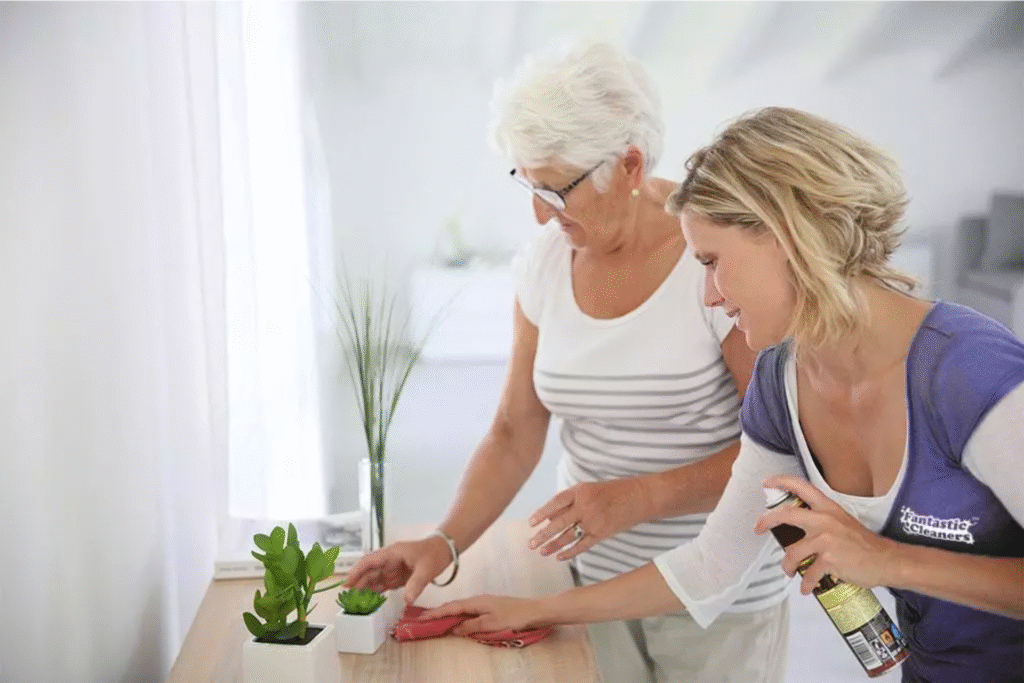
It’s important to focus on high-touch areas such as doorknobs, light switches, and kitchen surfaces, as these are often breeding grounds for bacteria. Incorporating disinfecting practices into the cleaning routine is equally important. Using appropriate cleaning products that meet Australian standards can help to effectively kill germs and viruses.
Participants should be aware of the ingredients in these products to avoid any potential allergic reactions or sensitivities. For those who prefer eco-friendly options, there are many natural cleaning solutions available that are both effective and safe for use in homes. Regularly scheduled deep cleans can also be beneficial, allowing for a thorough sanitisation of the entire living space.
Proper Handwashing Techniques
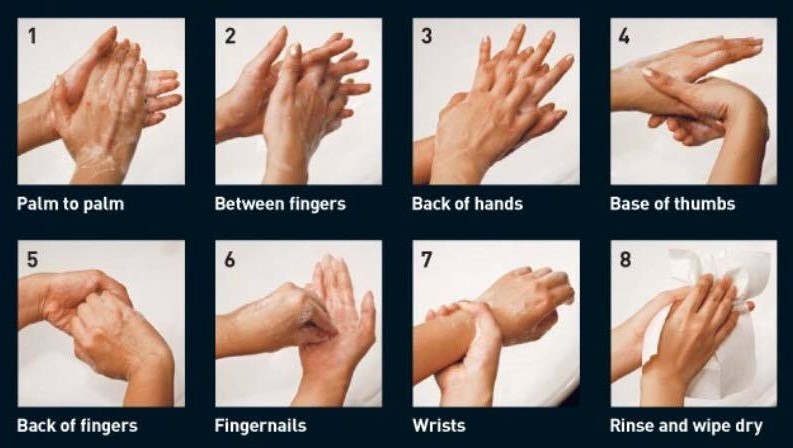
Proper handwashing techniques are a fundamental aspect of personal hygiene that everyone should practice, especially NDIS participants. Effective handwashing can significantly reduce the spread of germs and infections. The process should involve using soap and clean running water, scrubbing all parts of the hands—including between the fingers and under the nails—for at least 20 seconds.
It’s advisable to sing a short song or count to ensure that the recommended time is met. After washing, hands should be dried thoroughly using a clean towel or air dryer. For those who may have difficulty with traditional handwashing methods due to mobility issues, there are adaptive tools available that can assist in making this process easier.
Additionally, hand sanitiser can be used when soap and water are not readily available; however, it’s important to choose a product with at least 60% alcohol content for maximum effectiveness. By prioritising proper handwashing techniques, NDIS participants can take proactive steps towards maintaining their health and wellbeing.
Managing Personal Hygiene
| Hygiene Metric | Data |
|---|---|
| Handwashing Frequency | At least 5 times a day |
| Shower Frequency | At least once a day |
| Teeth Brushing Frequency | At least twice a day |
| Use of Hand Sanitizer | When soap and water are not available |
Managing personal hygiene is an essential part of daily life for NDIS participants. This includes regular bathing or showering, oral care, and grooming practices that contribute to overall cleanliness and self-esteem. Establishing a routine can help individuals feel more in control of their personal hygiene, which is particularly important for those who may require assistance from support workers or family members.
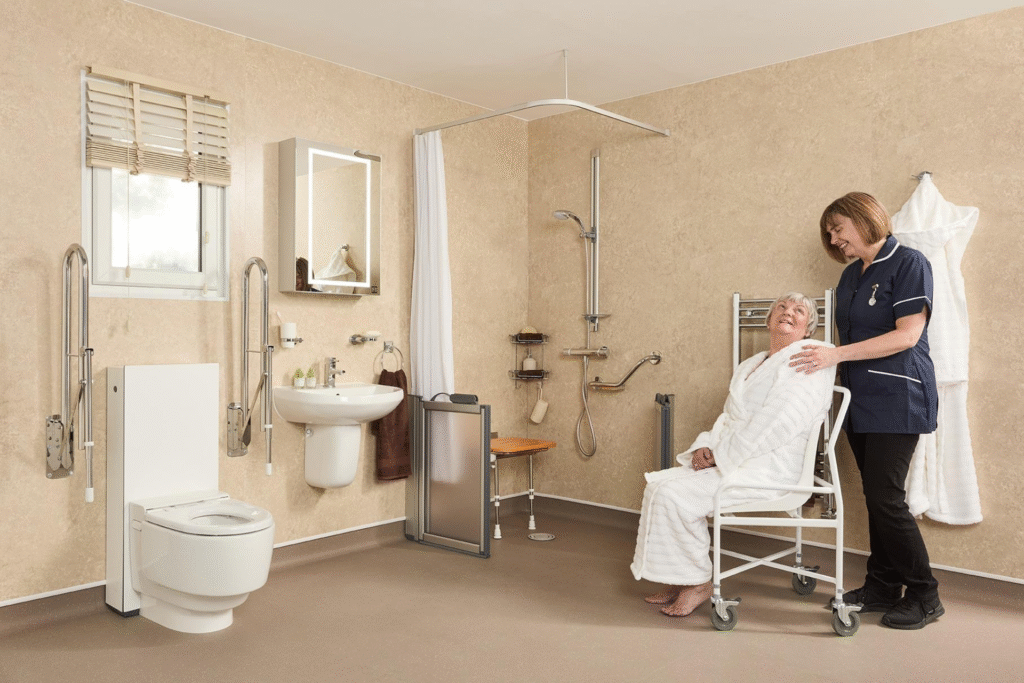
For individuals with mobility challenges, adaptive equipment such as grab bars in the shower or bath can enhance safety and independence during personal care routines. It’s also beneficial to have a designated space for personal hygiene products that is easily accessible. This not only promotes organisation but also encourages regular use of these products.
Support coordinators and plan managers can assist participants in identifying resources or services that can help with personal hygiene management, ensuring that they receive the support they need.
Maintaining Clean and Sanitary Living Spaces
Maintaining clean and sanitary living spaces goes beyond just regular cleaning; it involves creating an environment that promotes health and safety. For NDIS participants, this may include decluttering spaces to reduce hazards and improve accessibility. A tidy home not only looks better but also makes it easier for individuals to navigate their surroundings without the risk of tripping or falling.
In addition to decluttering, it’s important to ensure that living spaces are well-ventilated. Proper airflow helps to reduce moisture levels, which can prevent mould growth—a common issue in Tasmania’s humid climate. Regularly checking for leaks or dampness in areas such as bathrooms and kitchens can help to maintain a healthy environment.
Participants should also consider using air purifiers or dehumidifiers if necessary, as these can significantly improve indoor air quality.
Handling and Disposing of Waste
Proper waste handling and disposal are crucial components of home hygiene that should not be overlooked. For NDIS participants, having a clear system in place for managing waste can help maintain cleanliness and prevent unpleasant odours or pest infestations. It’s important to have designated bins for different types of waste—general rubbish, recyclables, and organic waste—to ensure that items are disposed of correctly.
Participants should be educated on how to safely handle waste materials, particularly if they are dealing with hazardous items such as sharp objects or chemicals. Using gloves when handling waste can provide an extra layer of protection against germs and contaminants. Additionally, regular waste collection schedules should be adhered to to prevent overflow and maintain a sanitary environment.
Keeping Personal Items and Assistive Devices Clean
Keeping personal items and assistive devices clean is essential for ensuring the health and safety of NDIS participants. Items such as wheelchairs, walking aids, and other assistive devices should be regularly cleaned according to manufacturer guidelines to prevent the buildup of dirt and bacteria. This not only prolongs the life of these items but also ensures that they function properly.
Personal items such as phones, tablets, and other frequently used devices should also be cleaned regularly. These items can harbour germs due to constant handling throughout the day. Using disinfectant wipes or sprays specifically designed for electronics can help keep these devices hygienic without causing damage.
By prioritising the cleanliness of personal items and assistive devices, participants can further enhance their overall well-being.
Seeking Assistance for Home Hygiene Needs
For many NDIS participants, seeking assistance for home hygiene needs is a practical solution that can greatly improve their quality of life. Professional cleaning services that specialise in NDIS cleaning can provide tailored support that meets individual requirements while ensuring compliance with Australian cleaning standards. These services can help alleviate the burden of maintaining a clean home, allowing participants to focus on other aspects of their lives.
Support coordinators and plan managers play a vital role in connecting participants with appropriate services. They can assist in identifying reputable cleaning companies that understand the unique needs of individuals with disabilities. By working together with these professionals, participants can create a comprehensive plan that addresses their home hygiene needs effectively.
How TASPRO Can Help At TASPRO, we understand the importance of maintaining a clean and hygienic living environment for NDIS participants in Launceston (Tasmania), Victoria, and Western Australia. Our dedicated team offers a range of services tailored specifically for NDIS participants, including [NDIS cleaning](#), [home cleaning](#), [end of lease](#), [office](#), [carpet](#), [window](#), and [pressure cleaning](#). We pride ourselves on our reliability, respect for privacy, and commitment to participant well-being.
If you’re looking for assistance with your home hygiene needs, we encourage you to reach out to us today. Our friendly team is here to discuss your requirements and develop a customised cleaning plan that suits your lifestyle. Together, we can create a safe and welcoming home environment that promotes your independence and well-being.
Contact us today to learn more about how TASPRO can support you in maintaining a clean and hygienic living space!
For those interested in maintaining a clean and healthy home environment, especially for NDIS participants in Tasmania, it’s essential to consider professional cleaning services that can ensure thorough cleanliness and hygiene. An article that complements the “10 Home Hygiene Tips for NDIS Participants in Tasmania” is the one about Bond Cleaning in Launceston. This article provides insights into professional cleaning services that can help maintain a spotless home, ensuring that all hygiene standards are met. Whether you’re moving out or simply need a deep clean, understanding the benefits of bond cleaning can be a valuable addition to your home hygiene routine.
FAQs
What is NDIS?
NDIS stands for National Disability Insurance Scheme, which is a government-funded program in Australia that provides support and services to people with disabilities.
Why is home hygiene important for NDIS participants?
Home hygiene is important for NDIS participants to maintain a clean and healthy living environment, which can help prevent the spread of infections and illnesses.
What are some home hygiene tips for NDIS participants in Tasmania?
Some home hygiene tips for NDIS participants in Tasmania include regularly cleaning and disinfecting surfaces, washing hands frequently, properly storing and handling food, and maintaining a clean and clutter-free living space.
How can NDIS participants in Tasmania access support for home hygiene?
NDIS participants in Tasmania can access support for home hygiene through their NDIS plan, which may include funding for cleaning and household tasks, as well as assistance from support workers.
Are there specific guidelines for home hygiene for NDIS participants in Tasmania?
While there are no specific guidelines for home hygiene for NDIS participants in Tasmania, it is important to follow general hygiene practices such as regular cleaning, handwashing, and proper food handling to maintain a clean and healthy home environment.
What are the benefits of maintaining good home hygiene for NDIS participants in Tasmania?
The benefits of maintaining good home hygiene for NDIS participants in Tasmania include reducing the risk of infections and illnesses, promoting overall health and well-being, and creating a safe and comfortable living environment.
Can NDIS participants in Tasmania receive assistance with implementing home hygiene practices?
Yes, NDIS participants in Tasmania can receive assistance with implementing home hygiene practices through their NDIS plan, which may include funding for support workers or services to help with cleaning and household tasks.
How often should NDIS participants in Tasmania clean and disinfect their homes?
NDIS participants in Tasmania should aim to clean and disinfect their homes regularly, focusing on high-touch surfaces such as doorknobs, light switches, and countertops, as well as frequently used items like kitchen utensils and bathroom fixtures.
What are some common challenges NDIS participants in Tasmania may face in maintaining home hygiene?
Some common challenges NDIS participants in Tasmania may face in maintaining home hygiene include physical limitations that make cleaning difficult, limited access to cleaning supplies and equipment, and the need for support with household tasks.
Where can NDIS participants in Tasmania find more information about home hygiene and support services?
NDIS participants in Tasmania can find more information about home hygiene and support services through the NDIS website, their NDIS plan manager, or by contacting local disability support organizations and service providers.