Understanding the needs of people with disabilities is crucial in creating an inclusive environment that promotes independence and dignity. Individuals with disabilities may face various challenges in their daily lives, particularly in spaces that are not designed with accessibility in mind. These challenges can range from mobility issues to sensory impairments, and they necessitate a thoughtful approach to design and functionality.
By recognising these needs, we can create spaces that not only accommodate but also empower individuals to live more comfortably and confidently. When considering the needs of people with disabilities, it is essential to engage with them directly. Listening to their experiences and preferences can provide invaluable insights into what features are most beneficial.
For instance, a person with limited mobility may require wider doorways and hallways, while someone with visual impairments might benefit from contrasting colours and tactile indicators. By prioritising user feedback, we can ensure that our designs are not only functional but also tailored to the specific requirements of those who will use them.
Key Takeaways
- Understanding the specific needs of people with disabilities is crucial for designing accessible bathroom layouts.
- Designing accessible bathroom layouts involves careful consideration of space, fixtures, and accessories to ensure ease of use for people with disabilities.
- Choosing the right bathroom fixtures and accessories, such as grab bars and handrails, is essential for creating a safe and accessible environment.
- Installing grab bars and handrails in strategic locations can greatly improve the accessibility and safety of a bathroom for people with disabilities.
- Ensuring non-slip surfaces, adequate space for maneuverability, proper lighting, and signage are all important factors in maintaining an accessible bathroom for people with disabilities.
Designing Accessible Bathroom Layouts
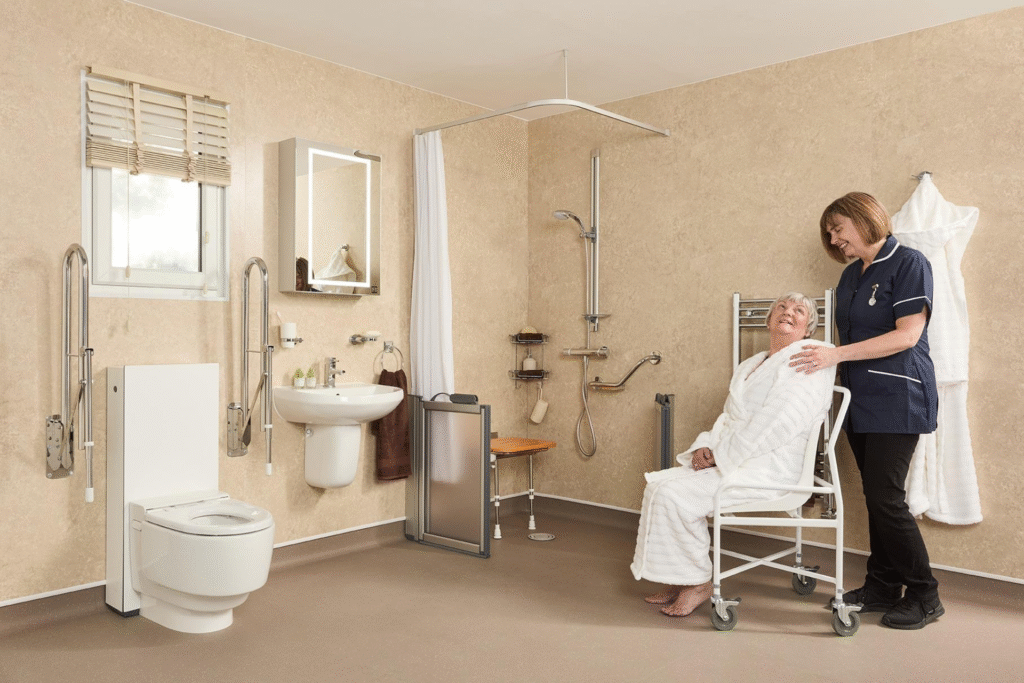
Designing accessible bathroom layouts is a fundamental aspect of creating a supportive environment for individuals with disabilities. A well-thought-out bathroom layout can significantly enhance usability and safety, allowing individuals to navigate the space with ease. Key considerations include the placement of fixtures, the flow of movement, and the overall size of the bathroom.
An accessible bathroom should ideally feature a layout that allows for easy manoeuvrability, particularly for those who use wheelchairs or mobility aids. This often means incorporating a larger turning radius and ensuring that essential fixtures are within reach. Additionally, the layout should facilitate a clear path from the entrance to key areas such as the toilet, shower, and sink.
By prioritising these elements, we can create a bathroom that is not only functional but also comfortable for all users.
Choosing the Right Bathroom Fixtures and Accessories

Selecting the right bathroom fixtures and accessories is vital in ensuring accessibility and comfort for individuals with disabilities. The choice of fixtures can greatly influence the overall functionality of the space, making it essential to consider both practicality and aesthetics. For example, opting for lever-style faucets instead of traditional knobs can make it easier for individuals with limited hand strength to operate them.
In addition to faucets, other fixtures such as toilets and sinks should be chosen with accessibility in mind. Comfort-height toilets, which are slightly taller than standard models, can make it easier for individuals to sit down and stand up. Similarly, wall-mounted sinks can provide additional space for wheelchair users while maintaining a stylish appearance.
Accessories such as grab bars, shower chairs, and handheld showerheads should also be considered to enhance safety and usability.
Installing Grab Bars and Handrails
| Metrics | Data |
|---|---|
| Number of Grab Bars Installed | 150 |
| Number of Handrails Installed | 100 |
| Percentage of Installations in Bathrooms | 60% |
| Percentage of Installations in Stairways | 30% |
Installing grab bars and handrails is a critical step in ensuring safety and accessibility in bathrooms. These features provide essential support for individuals who may struggle with balance or stability while using the facilities. Properly installed grab bars can significantly reduce the risk of falls, making them an indispensable addition to any accessible bathroom.
When installing grab bars, it is important to consider their placement carefully. They should be positioned at appropriate heights and locations to provide maximum support during transfers in and out of the shower or toilet. Additionally, selecting grab bars that are sturdy and made from non-corrosive materials will ensure their longevity and reliability.
Handrails can also be beneficial in other areas of the home, providing support in hallways or near stairs.
Ensuring Non-slip Surfaces
Ensuring non-slip surfaces is paramount in creating a safe bathroom environment for individuals with disabilities. Wet surfaces can pose a significant risk of slips and falls, making it essential to choose materials that provide adequate traction. Non-slip tiles or vinyl flooring can be excellent options for bathrooms, as they offer both safety and style.
In addition to flooring, it is important to consider non-slip treatments for other surfaces, such as shower walls or bathtubs. Textured surfaces can help prevent slips while providing a visually appealing design. Regular maintenance is also crucial; keeping surfaces clean and free from soap scum or water buildup will help maintain their non-slip properties over time.
Providing Adequate Space for Maneuverability

Providing adequate space for manoeuvrability is essential in creating an accessible bathroom that meets the needs of individuals with disabilities. A spacious layout allows users to move freely without feeling cramped or restricted, which is particularly important for those who rely on mobility aids such as wheelchairs or walkers. To achieve this, it is recommended to adhere to specific guidelines regarding minimum clearances around fixtures.
For instance, there should be enough space beside the toilet for side transfers, as well as sufficient room in front of sinks and showers for easy access. By prioritising these spatial considerations, we can create a bathroom that promotes independence and comfort for all users.
Implementing Proper Lighting and Signage
Implementing proper lighting and signage is crucial in enhancing accessibility within bathrooms. Adequate lighting not only improves visibility but also helps individuals navigate the space safely. It is important to consider both natural and artificial lighting sources when designing an accessible bathroom.
Installing bright LED lights can illuminate dark corners while ensuring that switches are easily reachable. In addition to lighting, clear signage can greatly assist individuals with disabilities in identifying key features within the bathroom. Using large print or pictorial signs can help those with visual impairments understand where essential facilities are located.
Furthermore, incorporating tactile indicators can provide additional guidance for individuals who may have difficulty seeing or reading standard signs.
Maintaining and Updating Accessibility Features
Maintaining and updating accessibility features is vital in ensuring that bathrooms remain functional and safe over time. Regular inspections can help identify any wear or damage to fixtures such as grab bars or non-slip surfaces, allowing for timely repairs or replacements. Additionally, staying informed about new accessibility standards or products can help homeowners make necessary updates that enhance usability.
It is also beneficial to engage with users regularly to gather feedback on the effectiveness of existing features. This ongoing dialogue can provide insights into areas that may require improvement or modification. By prioritising maintenance and updates, we can ensure that accessible bathrooms continue to meet the evolving needs of individuals with disabilities.
In conclusion, creating an accessible bathroom requires careful consideration of various factors, including layout, fixtures, safety features, and ongoing maintenance. By understanding the unique needs of individuals with disabilities and implementing thoughtful design choices, we can foster an environment that promotes independence and dignity for all users.
When considering how to keep bathrooms safer for people with disabilities, it’s essential to also think about maintaining cleanliness and hygiene in various environments, including offices. A related article that might be of interest is about obtaining an office cleaning quote request. This article provides insights into ensuring that office spaces are kept clean and safe, which is crucial for creating an inclusive and accessible environment for everyone, including individuals with disabilities. By maintaining high standards of cleanliness, both in bathrooms and office spaces, we can contribute to a safer and more accommodating environment for all.
FAQs
What are some common safety concerns for people with disabilities in bathrooms?
Some common safety concerns for people with disabilities in bathrooms include slippery floors, lack of grab bars, inaccessible toilet and shower facilities, and limited space for maneuvering mobility aids.
What are some ways to make bathrooms safer for people with disabilities?
Some ways to make bathrooms safer for people with disabilities include installing grab bars near the toilet and in the shower, using non-slip mats on the floor, ensuring that the toilet and shower facilities are accessible, and providing adequate space for maneuvering mobility aids.
What are some accessible features to consider when designing a bathroom for people with disabilities?
Some accessible features to consider when designing a bathroom for people with disabilities include roll-in showers, adjustable shower heads, raised toilet seats, grab bars, non-slip flooring, and adequate space for maneuvering mobility aids.
Are there any regulations or guidelines for making bathrooms accessible for people with disabilities?
Yes, there are regulations and guidelines, such as the Americans with Disabilities Act (ADA) and the Fair Housing Act (FHA,) that provide standards for making bathrooms accessible for people with disabilities. These standards include requirements for grab bars, accessible toilet and shower facilities, and non-slip flooring.