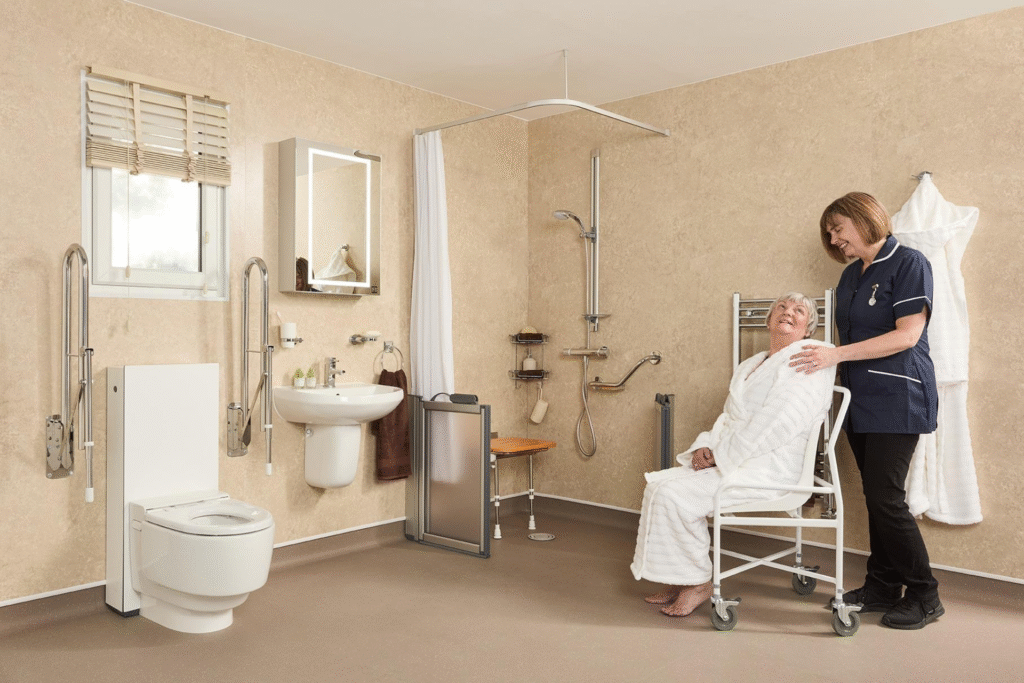
A clean environment is essential for everyone, but it holds particular significance for wheelchair users. Maintaining cleanliness not only enhances the aesthetic appeal of a space but also plays a crucial role in ensuring the health and safety of individuals with mobility challenges. A tidy environment reduces the risk of accidents, such as slips and falls, which can be particularly dangerous for those who rely on wheelchairs.
Moreover, a clean space can significantly improve the overall quality of life, providing a sense of comfort and well-being. For wheelchair users, cleanliness is also linked to dignity and independence. A well-maintained environment allows individuals to navigate their spaces with ease, promoting autonomy and self-sufficiency.
When spaces are clutter-free and hygienic, wheelchair users can engage more fully in their daily activities, whether that involves socialising with friends or pursuing hobbies. Therefore, prioritising cleanliness is not just about aesthetics; it is about fostering an environment that supports the physical and emotional well-being of wheelchair users.
Key Takeaways
- A clean environment is crucial for wheelchair users to prevent infections and maintain overall health and well-being.
- Regular cleaning and disinfecting of wheelchair-accessible spaces is essential to prevent the spread of germs and bacteria.
- Proper cleaning and disinfecting techniques for wheelchair equipment include using non-toxic cleaning products and following the manufacturer’s guidelines.
- Waste in wheelchair-accessible areas should be handled and disposed of properly to minimize the risk of contamination and infection.
- Collaborating with caregivers and support staff is important for maintaining a clean environment for wheelchair users and creating an accessible cleaning routine.
Strategies for Keeping Wheelchair-Accessible Spaces Clean
Keeping wheelchair-accessible spaces clean requires thoughtful strategies tailored to the unique needs of individuals who use wheelchairs. One effective approach is to establish designated cleaning zones within the home or facility. By identifying specific areas that require regular attention, caregivers and support staff can create a systematic cleaning schedule that ensures all spaces remain tidy and hygienic.
This method not only streamlines the cleaning process but also helps in tracking which areas need more frequent cleaning. Another strategy involves utilising appropriate cleaning tools and products that cater to the needs of wheelchair users. For instance, using lightweight vacuum cleaners or mops with long handles can make it easier for caregivers to clean without straining themselves or risking injury.
Additionally, selecting non-toxic and hypoallergenic cleaning products can help maintain a safe environment for individuals with sensitivities or allergies. By implementing these strategies, caregivers can create a clean and accessible space that promotes the well-being of wheelchair users.
Proper Cleaning and Disinfecting Techniques for Wheelchair Equipment

Cleaning and disinfecting wheelchair equipment is vital for maintaining hygiene and preventing the spread of germs. Regularly cleaning wheelchairs, cushions, and accessories helps ensure that users remain healthy and comfortable. To begin with, it is essential to follow the manufacturer’s guidelines for cleaning specific components of the wheelchair.
Most manufacturers provide detailed instructions on how to clean various parts without causing damage. When cleaning wheelchairs, caregivers should use a soft cloth or sponge along with mild soap and water to wipe down surfaces. Pay special attention to high-touch areas such as armrests, footrests, and wheels, as these are more likely to harbour dirt and bacteria.
After cleaning, it is crucial to disinfect these surfaces using an appropriate disinfectant spray or wipes that are safe for use on metal and fabric. This two-step process—cleaning followed by disinfecting—ensures that the equipment remains hygienic and safe for use.
Handling and Disposing of Waste in Wheelchair-Accessible Areas
| Area | Waste Handling | Waste Disposal |
|---|---|---|
| Bathroom | Use designated bins for waste | Dispose of waste in proper bins |
| Kitchen | Separate recyclables from general waste | Empty bins regularly |
| Living Room | Keep waste in closed bins | Dispose of waste in outdoor bins |
Proper waste management is an integral part of maintaining cleanliness in wheelchair-accessible spaces. Caregivers should ensure that waste disposal bins are easily accessible to wheelchair users, allowing them to dispose of rubbish without difficulty. Placing bins at strategic locations throughout the home or facility can encourage proper waste disposal and prevent clutter from accumulating.
When handling waste, it is essential to follow safe disposal practices. Caregivers should wear gloves when dealing with potentially hazardous materials, such as medical waste or soiled items. Additionally, it is important to educate wheelchair users about proper waste disposal methods to promote independence and responsibility.
By fostering an understanding of waste management, caregivers can empower individuals to take an active role in maintaining their environment.
Preventing the Spread of Germs and Bacteria in Wheelchair-Accessible Spaces
Preventing the spread of germs and bacteria is crucial in any environment, but it is especially important in spaces used by wheelchair users. High-touch surfaces such as doorknobs, light switches, and handrails should be cleaned and disinfected regularly to minimise the risk of contamination. Caregivers should establish a routine that includes frequent sanitisation of these surfaces, particularly during cold and flu season or in response to illness outbreaks.
In addition to regular cleaning, promoting good hygiene practices among wheelchair users can further reduce the spread of germs. Encouraging handwashing with soap and water or the use of hand sanitiser after using shared spaces can significantly decrease the likelihood of illness. Caregivers should also model these behaviours, reinforcing the importance of hygiene in maintaining a clean environment.
Creating an Accessible Cleaning Routine for Wheelchair Users
An accessible cleaning routine is essential for ensuring that wheelchair users can participate in maintaining their own spaces. Caregivers should work collaboratively with individuals to develop a cleaning schedule that accommodates their abilities and preferences. This may involve breaking tasks into smaller, manageable steps that can be completed at their own pace.
Incorporating assistive tools can also enhance accessibility during cleaning tasks. For example, using long-handled dusters or lightweight brooms can enable wheelchair users to reach high or difficult areas without straining themselves. Additionally, caregivers should encourage wheelchair users to take ownership of their cleaning routine by allowing them to choose which tasks they would like to undertake.
This sense of agency can foster independence and pride in maintaining a clean environment.
Collaborating with Caregivers and Support Staff for Maintaining Clean Environments
Collaboration between caregivers and support staff is vital for maintaining clean environments for wheelchair users. Open communication ensures that everyone involved understands their roles and responsibilities in keeping spaces tidy and hygienic. Regular meetings or check-ins can help identify any challenges faced by caregivers or wheelchair users in maintaining cleanliness.
Moreover, training sessions on effective cleaning techniques and safety protocols can empower caregivers and support staff with the knowledge they need to provide optimal care. By working together as a team, caregivers can share insights and strategies that enhance the overall cleanliness of the environment while ensuring that wheelchair users feel supported in their daily routines.
Resources and Tools for Maintaining a Clean Environment for Wheelchair Users
There are numerous resources and tools available to assist in maintaining a clean environment for wheelchair users. Online platforms offer valuable information on best practices for cleaning and hygiene tailored specifically for individuals with mobility challenges. Additionally, local community organisations may provide workshops or training sessions focused on accessible cleaning techniques.
In terms of tools, investing in ergonomic cleaning equipment designed for ease of use can make a significant difference in maintaining cleanliness. Lightweight vacuums, adjustable mops, and easy-to-handle cleaning solutions can empower both caregivers and wheelchair users to keep their spaces tidy without unnecessary strain. In conclusion, creating a clean environment for wheelchair users is essential for promoting health, safety, and independence.
By implementing effective strategies for cleanliness, collaborating with caregivers, and utilising appropriate resources, we can ensure that individuals who rely on wheelchairs have access to safe and hygienic spaces that enhance their quality of life.
When considering how to maintain a clean environment for wheelchair users, it’s essential to explore various cleaning services that can cater to specific needs. One such service is NDIS cleaning, which is designed to support individuals with disabilities, ensuring their living spaces are both accessible and hygienic. For more information on this topic, you can read a related article about NDIS cleaning services in Launceston by visiting this link. This article provides insights into tailored cleaning solutions that can significantly enhance the quality of life for wheelchair users by maintaining a clean and safe environment.
FAQs
What are some important considerations for maintaining a clean environment for wheelchair users?
Some important considerations for maintaining a clean environment for wheelchair users include ensuring that pathways are clear and free from obstacles, keeping floors and surfaces clean and free from debris, and providing accessible cleaning tools and supplies.
How can obstacles and clutter be minimized in a wheelchair-accessible environment?
Obstacles and clutter can be minimized in a wheelchair-accessible environment by keeping walkways and pathways clear, removing unnecessary furniture or objects, and using storage solutions to keep items organized and out of the way.
What are some effective cleaning tools and supplies for maintaining a clean environment for wheelchair users?
Effective cleaning tools and supplies for maintaining a clean environment for wheelchair users include long-handled mops and dusters, lightweight and maneuverable vacuum cleaners, non-toxic cleaning products, and adjustable cleaning tools that can be used from a seated position.
Why is it important to keep floors and surfaces clean in a wheelchair-accessible environment?
It is important to keep floors and surfaces clean in a wheelchair-accessible environment to prevent slips, trips, and falls, to maintain a hygienic and comfortable living space, and to ensure that wheelchair users can move around safely and easily.
How can a clean environment benefit the overall well-being of wheelchair users?
A clean environment can benefit the overall well-being of wheelchair users by reducing the risk of infections and illnesses, promoting a sense of comfort and well-being, and supporting independence and mobility within the living space.