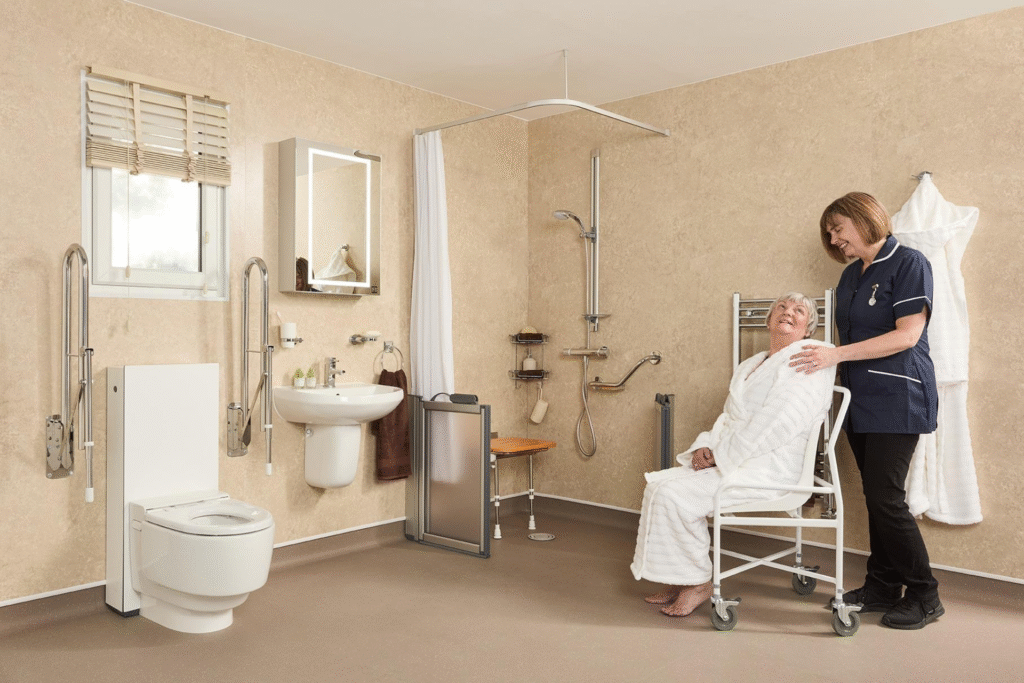
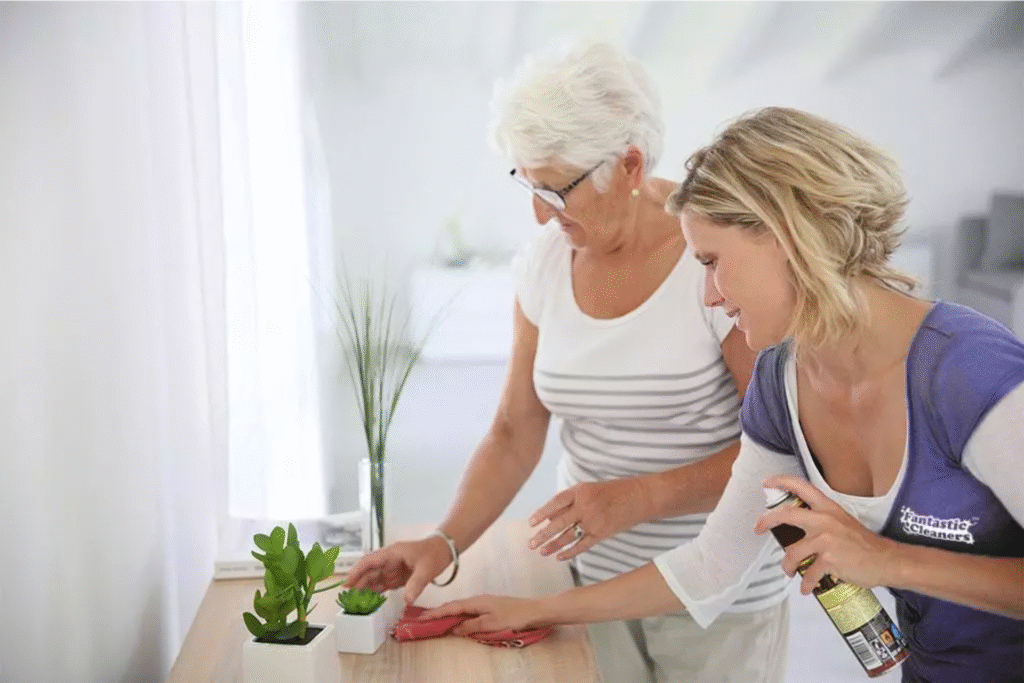
Understanding the unique needs of each NDIS participant is paramount in providing effective cleaning services. Every individual has different requirements based on their living situation, personal preferences, and specific challenges they may face. For instance, some participants may have mobility issues that necessitate a focus on areas that are difficult to reach, while others may have allergies that require the use of hypoallergenic cleaning products.
By taking the time to engage with participants and their support networks, cleaning companies can gain valuable insights into what is most important for each individual. Moreover, understanding the individual’s needs goes beyond just physical requirements. It also encompasses emotional and psychological aspects.
Many participants may feel vulnerable in their living environments, and a respectful approach to cleaning can help foster a sense of security and comfort. This means being attentive to their preferences regarding privacy and personal space, ensuring that they feel in control of their environment. By prioritising these factors, cleaning services can create a more positive experience for NDIS participants. NDIS Cleaning services are essential for individuals with disabilities to maintain a clean and healthy living environment.
Key Takeaways
- Understanding the individual’s needs is crucial for creating an effective personalized cleaning plan.
- Utilizing adaptive equipment and technologies can greatly enhance the cleaning process for individuals with specific needs.
- Establishing a routine and schedule helps in maintaining consistency and predictability for the individual.
- Training and supervising support staff is essential for ensuring that the cleaning plan is carried out effectively and with sensitivity.
- Communicating effectively with the participant is key to understanding their preferences and addressing any concerns during the cleaning process.
- Addressing sensory sensitivities and preferences is important for creating a comfortable and accommodating cleaning environment.
- Implementing safety measures and precautions is necessary to ensure the well-being of the individual and the support staff during the cleaning process.
Creating a personalized cleaning plan
Once the individual’s needs have been thoroughly assessed, the next step is to create a personalised cleaning plan tailored specifically to them. This plan should outline the specific tasks to be completed, the frequency of cleaning, and any particular products or methods that should be used. For example, if a participant has a preference for eco-friendly cleaning solutions, this should be incorporated into the plan to ensure their comfort and satisfaction.
A well-structured cleaning plan not only enhances the quality of service but also provides clarity for both the participant and the cleaning staff. It can include a checklist of tasks that need to be completed during each visit, such as dusting, vacuuming, or sanitising surfaces. This checklist can serve as a guide for support staff, ensuring that nothing is overlooked and that the participant’s home remains a safe and hygienic space.
Regular reviews of the cleaning plan can also be beneficial, allowing for adjustments based on changing needs or preferences.
Utilizing adaptive equipment and technologies
:max_bytes(150000):strip_icc()/assistivedevice-GettyImages-1329484361-6fa12c800fec43c29a49675dbb06588d.jpg)
Incorporating adaptive equipment and technologies into cleaning practices can significantly enhance the effectiveness and efficiency of services provided to NDIS participants. For instance, using lightweight vacuum cleaners or mops with ergonomic designs can make it easier for support staff to perform their tasks without straining themselves. Additionally, employing tools that are specifically designed for individuals with disabilities can help ensure that cleaning is done safely and thoroughly.
Technological advancements have also introduced various smart devices that can assist in maintaining cleanliness. For example, robotic vacuum cleaners can autonomously navigate through homes, providing regular cleaning without requiring extensive physical effort from support staff or participants. These innovations not only improve the quality of cleaning but also promote independence for participants who may wish to take an active role in maintaining their living spaces.
Establishing a routine and schedule
Establishing a consistent routine and schedule for cleaning services is essential in creating a sense of stability for NDIS participants. Regularly scheduled cleanings can help participants feel more secure in their environment, knowing that their home will be maintained consistently. This routine can also assist in managing expectations for both participants and support staff, ensuring that everyone is on the same page regarding when cleaning will occur.
When developing a schedule, it’s important to consider the participant’s daily activities and preferences. For instance, some individuals may prefer cleaning to take place when they are out of the house or during specific times of day when they are less likely to be disturbed. By accommodating these preferences, cleaning services can enhance the overall experience for participants, making them feel more comfortable and respected in their own homes.
Training and supervising support staff
The effectiveness of any cleaning service largely depends on the training and supervision of support staff. Staff members must be well-trained not only in cleaning techniques but also in understanding the specific needs of NDIS participants. This includes being aware of any sensitivities or preferences that may affect how they approach their work.
Ongoing training sessions can help ensure that staff remain up-to-date with best practices in cleaning and hygiene standards. Supervision is equally important in maintaining high-quality service delivery. Regular check-ins with support staff can provide opportunities for feedback and improvement, ensuring that they are meeting the expectations set out in the personalised cleaning plan.
Additionally, fostering an open line of communication between management and staff can help address any challenges that may arise during service delivery, ultimately benefiting the participant.
Communicating effectively with the participant
Effective communication is key to building trust and rapport with NDIS participants. Support staff need to engage with participants respectfully, actively listening to their concerns and preferences regarding cleaning services. This two-way communication helps ensure that participants feel valued and understood, which can significantly enhance their overall experience.
Moreover, clear communication about what to expect during each cleaning visit is vital. Participants should be informed about the tasks that will be completed, any products that will be used, and how long the cleaning process will take. This transparency not only helps manage expectations but also empowers participants by keeping them informed about what is happening in their own homes.
Addressing sensory sensitivities and preferences
Many NDIS participants may have sensory sensitivities that impact their comfort levels during cleaning services. For instance, strong scents from cleaning products or loud noises from equipment can be overwhelming for some individuals. It is crucial for cleaning companies to be aware of these sensitivities and to adapt their practices accordingly.
To address sensory preferences, support staff can use unscented or low-scent cleaning products when necessary and opt for quieter equipment whenever possible. Additionally, allowing participants to provide input on their preferences can help create a more comfortable environment during cleaning sessions. By being attentive to these factors, cleaning services can ensure that participants feel at ease while maintaining a clean and hygienic home.
Implementing safety measures and precautions
Safety should always be a top priority when providing cleaning services to NDIS participants. Implementing safety measures not only protects the well-being of participants but also ensures that support staff can perform their duties without risk of injury or accidents. This includes using appropriate personal protective equipment (PPE) when necessary and following proper protocols for handling cleaning chemicals.
Furthermore, it is essential to conduct regular safety assessments of the participant’s home environment. Identifying potential hazards such as loose rugs or cluttered walkways can help prevent accidents during cleaning sessions. By proactively addressing these issues, cleaning companies can create a safer environment for everyone involved.
How TASPRO Can Help At TASPRO, we understand the unique needs of NDIS participants and are committed to providing reliable and respectful cleaning services tailored to individual requirements. Our team is trained to create personalised cleaning plans that prioritise participant well-being while adhering to Australian cleaning standards.
Next steps include:
1. Contact Us: Reach out via our website or phone to discuss your specific needs.
2. Assessment: We will conduct an assessment to understand your requirements better.
3. Personalised Plan: Our team will develop a tailored cleaning plan just for you.
4. Schedule Services: We will establish a routine that works best for you.
5. Ongoing Support: We will maintain open communication throughout our service delivery. If you’re looking for a trusted NDIS cleaning service in Launceston (Tasmania), Victoria, or Western Australia, we invite you to contact us today!
Let us help you create a clean and comfortable living environment tailored just for you.
For those interested in expanding their knowledge on cleaning services, particularly in the context of managing cleaning for participants with high support needs, a related article that might be of interest is available on TasPro Cleaning’s website. This article provides insights into specialized cleaning services that can be tailored to meet various requirements. You can explore more about their offerings by visiting their homepage, which provides a comprehensive overview of their services, including bond cleaning and window cleaning.
FAQs
What are the high support needs in the context of cleaning for participants?
High support needs refer to individuals who require significant assistance and support with daily activities, including cleaning and household tasks. This may include individuals with physical disabilities, cognitive impairments, or other conditions that impact their ability to independently manage cleaning tasks.
What are some strategies for managing cleaning for participants with high support needs?
Some strategies for managing cleaning for participants with high support needs include creating a personalized cleaning plan based on the individual’s abilities and preferences, using adaptive equipment and tools to make cleaning tasks more manageable, and providing appropriate training and support for caregivers or support staff.
How can caregivers or support staff effectively assist participants with high support needs in cleaning tasks?
Caregivers or support staff can effectively assist participants with high support needs in cleaning tasks by communicating clearly and respectfully, providing hands-on assistance as needed, and being mindful of the individual’s comfort and preferences. It’s also important to prioritize safety and hygiene while respecting the participant’s autonomy and dignity.
What are some considerations for creating a safe and accessible cleaning environment for participants with high support needs?
Considerations for creating a safe and accessible cleaning environment for participants with high support needs may include removing physical barriers and hazards, using non-toxic cleaning products, and ensuring that cleaning tools and equipment are easy to use and reach. It’s also important to consider the individual’s sensory sensitivities and mobility limitations when planning the cleaning environment.
How can participants with high support needs be involved in the cleaning process?
Participants with high support needs can be involved in the cleaning process to the extent of their abilities and preferences. This may include making decisions about their cleaning preferences, assisting with simple tasks, or providing feedback on the cleaning plan. Involving the participant in the process can help promote a sense of autonomy and empowerment.