Cross-contamination is a critical concept in maintaining food safety and hygiene, particularly in shared living environments. It occurs when harmful bacteria or allergens are transferred from one surface or food item to another, potentially leading to foodborne illnesses. This can happen in various ways, such as through direct contact between raw and cooked foods, or via contaminated utensils, cutting boards, and countertops.
Understanding the pathways of cross-contamination is essential for anyone involved in food preparation, whether in a home kitchen or a communal dining area. To mitigate the risks associated with cross-contamination, it is vital to be aware of the different types of contaminants. Biological contaminants, such as bacteria and viruses, are often the most concerning, but chemical and physical contaminants can also pose significant risks.
For instance, cleaning agents left on surfaces can inadvertently mix with food, while foreign objects like hair or plastic can lead to injuries or choking hazards. By recognising these potential threats, individuals can take proactive steps to ensure a safer cooking environment.
Key Takeaways
- Cross-contamination occurs when harmful bacteria are transferred from one surface to another, leading to foodborne illnesses.
- Establishing clean zones in the kitchen can help prevent cross-contamination by designating specific areas for food preparation and handling.
- Proper food handling practices, such as washing hands and surfaces regularly, can reduce the risk of cross-contamination.
- Using separate utensils and cookware for raw and cooked foods can prevent the spread of harmful bacteria.
- Regular cleaning and disinfecting of kitchen surfaces and utensils is essential for maintaining a safe and hygienic food preparation environment.
Establishing Clean Zones
Creating clean zones within a kitchen or food preparation area is an effective strategy to minimise the risk of cross-contamination. A clean zone is a designated area where food is prepared and served, free from any contaminants that could compromise food safety. Establishing these zones involves careful planning and organisation, ensuring that raw ingredients are kept separate from cooked foods and that surfaces are regularly cleaned and sanitised.
To create effective clean zones, consider the layout of your kitchen. Designate specific areas for different tasks, such as washing vegetables, preparing raw meats, and plating cooked dishes. Use colour-coded cutting boards and utensils to further delineate these zones.
For example, use one colour for raw meat and another for vegetables to prevent any mix-ups. By clearly defining these areas and adhering to strict hygiene practices, you can significantly reduce the likelihood of cross-contamination.
Implementing Proper Food Handling
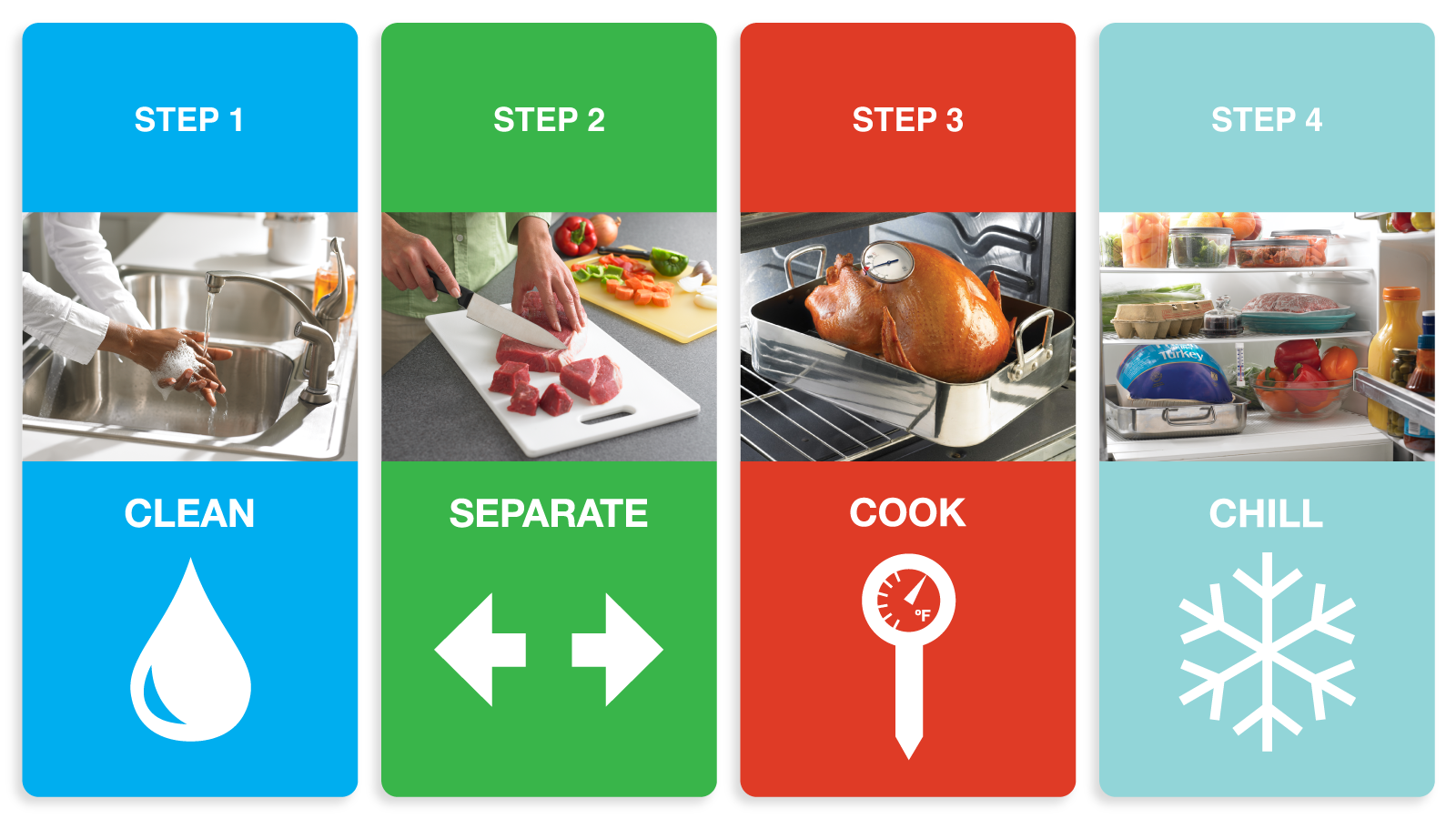
Proper food handling is a cornerstone of food safety and hygiene. It encompasses a range of practices that ensure food is prepared, cooked, and stored in a manner that minimises the risk of contamination. This includes washing hands thoroughly before handling food, using clean utensils and surfaces, and ensuring that food is cooked to the appropriate temperatures.
One of the most important aspects of proper food handling is understanding the importance of temperature control. Perishable foods should be stored at safe temperatures to prevent bacterial growth. The Australian Food Safety Standards recommend keeping refrigerated foods at or below 5°C and hot foods at or above 60°Regularly checking the temperature of your refrigerator and using a food thermometer when cooking can help ensure that food remains safe for consumption.
Using Separate Utensils and Cookware
| Utensils and Cookware | Percentage |
|---|---|
| People who use separate utensils and cookware for meat and vegetables | 75% |
| People who do not use separate utensils and cookware for meat and vegetables | 25% |
Using separate utensils and cookware is a practical approach to preventing cross-contamination in the kitchen. This practice is particularly important when dealing with raw meats, seafood, and other potentially hazardous foods. By designating specific utensils for different types of food, you can significantly reduce the risk of transferring harmful bacteria from one item to another.
For instance, consider using separate cutting boards for raw meats and vegetables. This simple step can prevent juices from raw meats from contaminating fresh produce. Additionally, using different knives for slicing raw ingredients versus cooked foods can further enhance safety in the kitchen.
It’s also advisable to have separate containers for storing leftovers from different food groups to avoid any accidental mixing.
Regular Cleaning and Disinfecting
Regular cleaning and disinfecting are essential components of maintaining a safe kitchen environment. Cleaning involves removing dirt, debris, and food particles from surfaces, while disinfecting refers to killing harmful bacteria and viruses that may be present. Both processes are crucial in preventing cross-contamination and ensuring that food preparation areas remain hygienic.
To establish an effective cleaning routine, create a checklist that outlines daily, weekly, and monthly tasks. Daily tasks might include wiping down countertops, washing dishes, and sweeping the floor, while weekly tasks could involve deep cleaning appliances and mopping floors. Monthly tasks may include cleaning out the refrigerator and checking for expired items.
By adhering to this schedule, you can ensure that your kitchen remains a safe space for food preparation.
Setting Clear Rules and Guidelines
Establishing clear rules and guidelines for food handling and kitchen use is vital in shared living situations. These rules should be communicated effectively to all household members to ensure everyone understands their responsibilities regarding food safety. By setting expectations around cleanliness and hygiene practices, you can foster a culture of safety within your home.
Consider creating a written document outlining these guidelines and posting it in a visible location in the kitchen. Include information on proper handwashing techniques, safe food storage practices, and the importance of using separate utensils for different types of food. Regularly revisiting these guidelines during house meetings or discussions can help reinforce their importance and encourage compliance among all household members.
Communicating with Roommates or Family Members
Effective communication with roommates or family members is essential for maintaining a safe kitchen environment. Open discussions about food handling practices can help ensure that everyone is on the same page regarding hygiene standards and responsibilities. Encourage an atmosphere where individuals feel comfortable discussing any concerns they may have about food safety or cleanliness.
Consider scheduling regular check-ins to discuss any issues related to kitchen use or cleanliness. This could be as simple as a weekly chat over coffee or a more formal meeting if necessary. By fostering open lines of communication, you can address potential problems before they escalate and work together to create a safer cooking environment for everyone involved.
Seeking Professional Help if Necessary
In some cases, it may be beneficial to seek professional help to ensure that your kitchen meets safety standards. Professional cleaning services can provide thorough deep cleaning that may be difficult to achieve on your own, particularly in hard-to-reach areas or when dealing with stubborn stains or grime. Additionally, professional services often have access to specialised cleaning products that are effective in eliminating bacteria and allergens.
If you find that your kitchen consistently falls short of cleanliness standards despite your best efforts, consider reaching out to a professional cleaning service for assistance. They can provide tailored solutions based on your specific needs and help you establish a more hygienic cooking environment. In conclusion, understanding cross-contamination and implementing effective strategies for food safety are essential for anyone involved in food preparation.
By establishing clean zones, practising proper food handling techniques, using separate utensils, regularly cleaning and disinfecting surfaces, setting clear guidelines, communicating effectively with others, and seeking professional help when necessary, you can create a safe cooking environment that prioritises health and wellbeing.
When living in shared homes, maintaining a clean and hygienic environment is crucial to avoid cross-contamination. One effective strategy is to establish a regular cleaning schedule that includes disinfecting high-touch surfaces such as doorknobs, light switches, and shared kitchen appliances. For more detailed guidance on maintaining cleanliness in shared spaces, you might find the article on FAQ Cleaning helpful. It provides insights into common cleaning queries and best practices that can be applied to shared living situations, ensuring a healthier living environment for all residents.
FAQs
What is cross-contamination?
Cross-contamination occurs when bacteria or other microorganisms are transferred from one object to another, leading to the potential spread of harmful pathogens.
How does cross-contamination occur in shared living homes?
Cross-contamination can occur in shared living homes when individuals share common spaces, utensils, or personal items, allowing for the transfer of bacteria and other microorganisms between residents.
What are the potential risks of cross-contamination in shared living homes?
The potential risks of cross-contamination in shared living homes include the spread of foodborne illnesses, infections, and other harmful pathogens that can negatively impact the health of residents.
How can cross-contamination be avoided in shared living homes?
Cross-contamination can be avoided in shared living homes by implementing proper hygiene practices, such as regular handwashing, cleaning and disinfecting shared surfaces, and using separate utensils and personal items.
What are some tips for preventing cross-contamination in shared living homes?
Some tips for preventing cross-contamination in shared living homes include storing and preparing food separately, using designated cleaning supplies for shared spaces, and establishing clear guidelines for personal hygiene and cleanliness.