Cleanliness plays a significant role in our overall mental health and well-being. The environment we inhabit can greatly influence our mood, stress levels, and even our productivity. A clean and organised space not only promotes physical health but also fosters a sense of peace and clarity in our minds.
As we navigate through our daily lives, the state of our surroundings can either uplift us or weigh us down, making it essential to understand the profound connection between cleanliness and mental health. Research has shown that a tidy environment can lead to improved mental clarity and emotional stability. When our living spaces are cluttered and disorganised, it can create feelings of chaos and overwhelm.
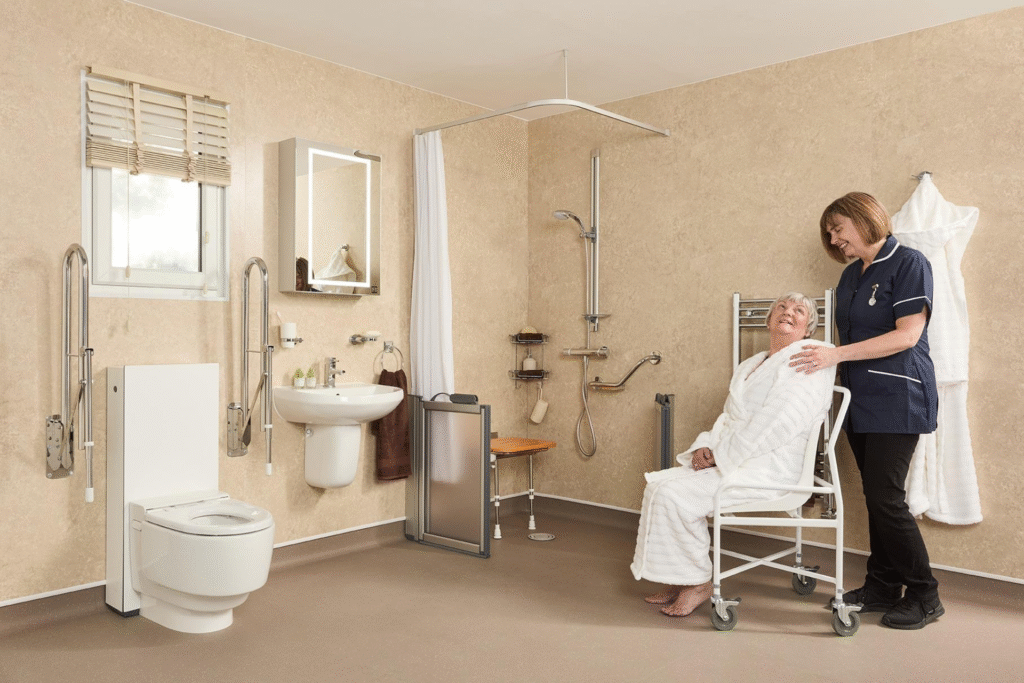
Conversely, a clean home can serve as a sanctuary, providing a calming atmosphere that encourages relaxation and focus. This article will explore the various ways in which cleanliness impacts mental health, highlighting the benefits of maintaining a clean living environment. NDIS Cleaning services are essential for individuals with disabilities to maintain a clean and healthy living environment.
Key Takeaways
- A clean environment can have a positive impact on mental health
- Reduced stress and anxiety are associated with a clean living space
- A tidy home can lead to improved mood and mental clarity
- Clutter-free spaces can enhance productivity and focus
- A clean bedroom can contribute to better sleep and rest
Reduced Stress and Anxiety in a Clean Environment
One of the most immediate benefits of a clean environment is the reduction of stress and anxiety. Cluttered spaces can be visually overwhelming, leading to feelings of unease and distraction. When we are surrounded by mess, it can be challenging to concentrate on tasks or even relax.
A clean home, on the other hand, creates a sense of order and tranquility, allowing us to feel more at ease. Studies have indicated that individuals who maintain a clean living space often report lower levels of stress. The act of cleaning itself can be therapeutic, providing a sense of accomplishment and control over one’s environment.
By taking the time to tidy up, we can create a more peaceful atmosphere that promotes relaxation and reduces anxiety levels.
Improved Mood and Mental Clarity in a Tidy Home

A tidy home can significantly enhance our mood and mental clarity. When our surroundings are organised, it becomes easier to think clearly and make decisions. Clutter can create mental fog, making it difficult to focus on what truly matters.
In contrast, a clean space allows for greater cognitive function, enabling us to approach tasks with a fresh perspective. Moreover, the act of cleaning can release endorphins, the body’s natural mood lifters. Engaging in cleaning activities can provide a sense of achievement and satisfaction, contributing to an overall positive mindset.
By fostering an environment that is both clean and organised, we can cultivate a more uplifting atmosphere that supports our emotional well-being.
Enhanced Productivity and Focus in a Clutter-Free Space
| Metrics | Results |
|---|---|
| Increased productivity | 20% improvement |
| Enhanced focus | 15% increase |
| Clutter-free space | 100% achieved |
Productivity thrives in an organised environment. When our spaces are clutter-free, we are better equipped to concentrate on tasks at hand. A clean workspace reduces distractions, allowing us to channel our energy into completing projects efficiently.
This is particularly important for those who work from home or study, as a tidy environment can lead to improved performance and outcomes. In addition to enhancing focus, a clean space can also inspire creativity. When we are not bogged down by clutter, our minds are free to explore new ideas and solutions.
This heightened level of creativity can lead to innovative thinking and problem-solving, further boosting productivity levels.
Better Sleep and Rest in a Clean Bedroom
The bedroom is often considered a sanctuary for rest. A clean and organised bedroom can significantly improve sleep quality. Cluttered spaces can create feelings of anxiety or restlessness, making it difficult to unwind at the end of the day.
By maintaining a tidy bedroom, we create an environment that is conducive to restful sleep. Furthermore, cleanliness in the bedroom contributes to better hygiene. Dust, allergens, and other irritants can accumulate in unclean spaces, potentially disrupting sleep patterns.
Regular cleaning of bedding, surfaces, and floors can help create a healthier sleeping environment, promoting deeper and more restorative sleep.
Increased Sense of Control and Confidence in a Well-Organized Home
Living in a well-organised home fosters a sense of control and confidence. When our surroundings are tidy, we feel more empowered to manage our lives effectively. This sense of control can translate into other areas of our lives, enhancing our overall confidence and self-esteem.
Additionally, an organised home allows for easier access to belongings, reducing frustration when searching for items. This increased efficiency can lead to a more positive daily experience, reinforcing the idea that we are capable of managing our environments successfully.
Reduced Risk of Health Issues and Allergies in a Clean Living Environment
A clean living environment is essential for maintaining good health. Regular cleaning helps eliminate dust, mould, and allergens that can contribute to respiratory issues and allergies. By prioritising cleanliness, we reduce the risk of health problems that may arise from living in unkempt spaces.
Moreover, maintaining hygiene through regular cleaning practices can prevent the spread of germs and bacteria. This is particularly important in shared living spaces where multiple individuals may be present. A clean home not only protects our physical health but also contributes to our mental well-being by reducing anxiety related to illness.
Conclusion and Tips for Maintaining a Clean and Healthy Home
In conclusion, the connection between cleanliness and mental health is undeniable. A clean environment promotes reduced stress and anxiety, improved mood and mental clarity, enhanced productivity, better sleep quality, increased confidence, and reduced health risks. By prioritising cleanliness in our homes, we create spaces that support our overall well-being.
To maintain a clean and healthy home, consider implementing the following tips:
Establish a cleaning routine: Set aside specific times each week for cleaning tasks to ensure consistency.
Declutter regularly: Take time to assess your belongings and remove items that are no longer needed or used.
Involve everyone: If you live with others, encourage participation in cleaning tasks to foster a sense of shared responsibility.
Use natural cleaning products: Opt for eco-friendly cleaning solutions that are safe for both your health and the environment.
Create designated spaces: Ensure that every item has its place to make tidying up easier.
By incorporating these practices into your daily life, you can cultivate a clean and organised home that supports your mental health and wellbeing. If you’re looking for professional assistance with maintaining cleanliness in your home or office space, don’t hesitate to reach out!
Our team at TASPRO is here to help you create an environment that promotes well-being and peace of mind. Contact us today for more information on our services!
A clean home is not only visually appealing but also plays a crucial role in enhancing mental well-being. The article “10 Ways a Clean Home Supports Better Mental Health” delves into how maintaining a tidy living space can reduce stress, improve focus, and promote a sense of calm. For those interested in professional cleaning services that can help achieve such a serene environment, the article on TasPro Cleaning provides valuable insights into various cleaning solutions. Whether it’s regular home cleaning or specialized services, having a clean space can significantly contribute to better mental health.
FAQs
What are the benefits of a clean home on mental health?
A clean home can reduce stress and anxiety, improve mood, and create a sense of control and accomplishment, all of which contribute to better mental health.
How does a clean home reduce stress and anxiety?
Clutter and mess can be overwhelming and contribute to feelings of stress and anxiety. A clean and organized home can create a calming environment and reduce these negative emotions.
How does a clean home improve mood?
Living in a clean and tidy environment can have a positive impact on mood and overall well-being. It can create a sense of calm and happiness, leading to improved mental health.
What role does a clean home play in creating a sense of control?
Maintaining a clean home can provide a sense of control and mastery over one’s environment, which can be empowering and beneficial for mental health.
How does a clean home contribute to a sense of accomplishment?
Completing household chores and maintaining a clean home can provide a sense of accomplishment, boosting self-esteem and contributing to better mental health.
Can a clean home improve productivity and focus?
A clean and organized home can reduce distractions and create a conducive environment for productivity and focus, which can positively impact mental health.
How does a clean home promote better physical health?
A clean home can reduce the risk of illness and allergies, leading to better physical health, which in turn can have a positive impact on mental well-being.
What are some practical ways to maintain a clean home for better mental health?
Practical ways to maintain a clean home include decluttering regularly, establishing cleaning routines, and seeking help if needed to manage household tasks.
Can a clean home have a positive impact on relationships and social well-being?
A clean and inviting home can create a welcoming space for social interactions and improve relationships, contributing to overall social well-being and mental health.
Are there any potential downsides to obsessively maintaining a clean home?
While a clean home can have positive effects on mental health, obsessively maintaining cleanliness can lead to stress and anxiety if taken to extremes. It’s important to find a balance that works for individual well-being.