Pet hair can be a persistent nuisance for many pet owners, especially in Australia, where our furry friends are often part of the family. The unique structure of pet hair makes it particularly challenging to remove from various surfaces, including car seats. Unlike human hair, which is typically smooth and straight, pet hair tends to be finer and more textured.
This means it can easily become embedded in fabric and upholstery, making it difficult to dislodge. Additionally, the static charge that pet hair can carry often causes it to cling stubbornly to surfaces, further complicating the cleaning process. Moreover, the Australian climate can exacerbate the issue.
With our warm summers and humid conditions, pet hair can become even more entrenched in car interiors. Dust and dirt can mix with pet hair, creating a sticky mess that is not only unsightly but also potentially harmful to those with allergies. Understanding these challenges is the first step in effectively tackling pet hair removal and maintaining a clean environment for both you and your beloved pets. Contact us now!
Key Takeaways
- Pet hair is difficult to remove due to its static charge and ability to weave into fabric.
- Gather tools such as a vacuum, lint rollers, tape, and a pet hair removal tool for effective cleaning.
- Vacuuming is the first step in removing pet hair from car seats, using a brush attachment for best results.
- Lint rollers and tape are quick and effective methods for removing pet hair from car seats.
- Brushing car seats with a pet hair removal brush or rubber gloves can manually remove stubborn pet hair.
Preparation: Gather the Necessary Tools and Materials
Before diving into the cleaning process, it’s essential to gather the right tools and materials. Having everything on hand will make the task more efficient and less frustrating. Start with a high-quality vacuum cleaner equipped with a pet hair attachment.
These attachments are specifically designed to lift stubborn hair from upholstery and carpets, making them invaluable for pet owners. In addition to a vacuum, consider having lint rollers or adhesive tape ready for quick touch-ups. A rubber glove can also be handy; simply dampen it slightly and run your hand over the seats to gather hair effectively.
For those stubborn spots, a soft-bristle brush can help dislodge hair from fabric fibres. Lastly, a spray bottle filled with a mixture of fabric softener and water can serve as a homemade solution for particularly stubborn hair. By preparing these tools in advance, you’ll be well-equipped to tackle the challenge of pet hair removal.
Vacuuming: The First Step in Removing Pet Hair
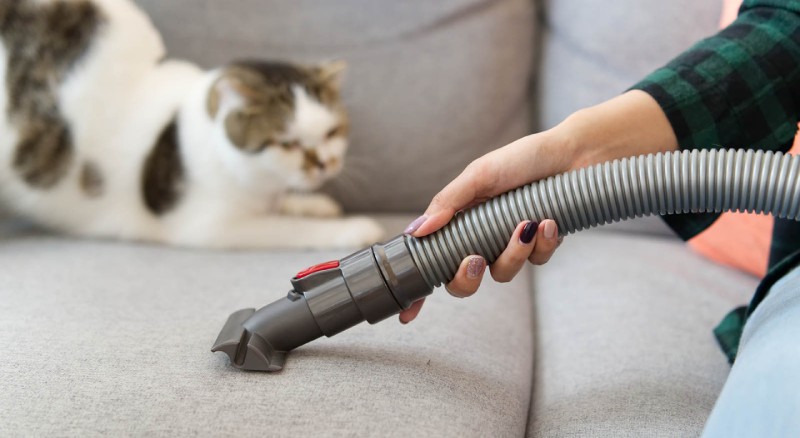
Vacuuming is often the first line of defence against pet hair accumulation in your car. It’s crucial to use a vacuum cleaner that has strong suction power and is specifically designed for pet hair removal. Start by removing any loose items from your car seats and floor; this will allow you to access all areas where pet hair may be hiding.
When vacuuming, take your time and use slow, deliberate movements. This will give the vacuum cleaner a better chance to pick up all the embedded hairs. Pay special attention to seams and crevices where hair tends to accumulate.
If your vacuum has a brush attachment, use it to agitate the fabric slightly; this will help lift the hair away from the fibres for easier removal. Regular vacuuming not only helps keep your car seats clean but also reduces allergens that may affect sensitive passengers.
Using Lint Rollers and Tape: A Quick and Effective Method
For quick clean-ups, lint rollers and adhesive tape are fantastic tools that can make a significant difference in managing pet hair. Lint rollers are particularly effective because they are designed to pick up fine particles like pet hair without damaging the fabric of your car seats. Simply roll the sticky sheets over the affected areas, and watch as they lift away the hair effortlessly.
If you don’t have a lint roller on hand, adhesive tape can serve as an excellent alternative. Wrap a piece of tape around your hand with the sticky side facing outwards, and pat it against the seats to lift off hair. This method is especially useful for hard-to-reach areas or for quick touch-ups before guests arrive.
Both methods are quick, easy, and require minimal effort, making them ideal for busy pet owners who need an efficient solution.
Brushing: A Manual Approach to Removing Pet Hair
While vacuuming and using lint rollers are effective methods for removing pet hair, sometimes a manual approach can yield even better results. A soft-bristled brush can be particularly useful for loosening embedded hairs from fabric surfaces. By gently brushing the seats in one direction, you can dislodge hairs that may be stuck deep within the fibres.
This method not only helps remove hair but also revitalises the fabric by lifting dirt and debris that may have settled over time. For best results, consider using a brush specifically designed for pet hair removal; these brushes often have rubber bristles that create static electricity, helping to attract and lift hair more effectively. Regular brushing can also help maintain your car’s interior by preventing hair from building up in the first place.
Using Fabric Softener and Water: A Homemade Solution for Stubborn Hair

For those particularly stubborn patches of pet hair that refuse to budge, a homemade solution of fabric softener and water can work wonders. Mix equal parts of fabric softener and water in a spray bottle, then lightly mist the affected areas of your car seats. The fabric softener helps to loosen the grip that pet hair has on the fibres, making it easier to remove.
After spraying, allow the solution to sit for a few minutes before using a brush or vacuum to lift away the loosened hair. This method not only helps with hair removal but also leaves your car smelling fresh and clean. Just be sure not to oversaturate the fabric, as too much moisture can lead to mildew or damage over time.
Investing in a Pet Hair Removal Tool: A Long-Term Solution
If you find yourself constantly battling pet hair in your car, it may be worth investing in a specialised pet hair removal tool. These tools are designed specifically for tackling stubborn pet hair and often feature unique designs that make them highly effective. Some options include rubber brushes or silicone mitts that create static electricity to attract hair.
When choosing a tool, consider factors such as ease of use, effectiveness on different surfaces, and how easy it is to clean after use. Investing in a quality pet hair removal tool can save you time and effort in the long run, making it easier to maintain a clean car interior while keeping your furry friend happy.
Professional Cleaning: When to Seek Help from a Detailing Service
While many pet owners can manage regular cleaning tasks on their own, there may come a time when professional help is needed. If your car has become overwhelmed with pet hair or if you’re preparing for an important event or sale, seeking assistance from a detailing service can be beneficial. Professional cleaners have access to advanced equipment and techniques that can thoroughly remove pet hair from every nook and cranny of your vehicle.
In Australia, many detailing services offer packages specifically tailored for pet owners, ensuring that all traces of fur are eliminated while also addressing any odours or stains left behind by pets. This option not only saves you time but also ensures that your car is returned in pristine condition.
Preventing Future Build-Up: Tips for Keeping Your Car Seats Hair-Free
Prevention is always better than cure when it comes to managing pet hair in your car. One effective strategy is to establish a regular cleaning routine that includes vacuuming and brushing your car seats at least once a week. This will help keep hair accumulation at bay and make each cleaning session less daunting.
Additionally, consider designating specific areas in your car for your pets to sit or travel in. Using a blanket or towel can help contain shedding in one area, making it easier to clean up after each trip. Regular grooming of your pets is another effective way to reduce shedding; brushing them outside can significantly decrease the amount of loose fur that ends up in your car.
Considering Pet-Friendly Seat Covers: A Preventive Measure
Investing in pet-friendly seat covers is another excellent preventative measure for managing pet hair in your vehicle. These covers are designed specifically for pets and are often made from materials that repel fur while being easy to clean. Many are machine washable or can be wiped down quickly with a damp cloth.
When selecting seat covers, look for options that fit snugly over your seats without slipping or bunching up during travel. This will ensure maximum protection against fur while also keeping your car looking tidy. By using seat covers, you’ll not only protect your upholstery but also make cleaning up after your furry friend much simpler.
Maintaining Clean Car Seats and a Happy Pet
Maintaining clean car seats while accommodating our beloved pets doesn’t have to be an overwhelming task. By understanding the challenges posed by pet hair and employing effective cleaning strategies—such as regular vacuuming, using lint rollers, and investing in specialised tools—you can keep your vehicle looking its best. Additionally, taking preventative measures like grooming your pets regularly and using seat covers will go a long way in reducing future build-up of fur.
If you ever find yourself needing extra help, don’t hesitate to reach out for professional cleaning services tailored for pet owners. At TASPRO, we understand how important it is to maintain a clean environment for both you and your pets. Whether you need assistance with end-of-lease cleaning or regular maintenance for your vehicle’s interior, we’re here to help!
Get a quote online today and let us take care of the hard work while you enjoy quality time with your furry friend!
If you’re looking for effective ways to remove pet hair from your car seats, you might also be interested in ensuring your entire home is spotless, especially if you’re moving out. A related article that could be of interest is about end-of-lease cleaning, which provides comprehensive tips and services to leave your home in pristine condition. For more information, check out the end-of-lease cleaning services offered by Taspro Cleaning. This resource can help you tackle not just pet hair, but all cleaning challenges you might face when preparing to move.
FAQs
What are some effective methods for removing pet hair from car seats?
Some effective methods for removing pet hair from car seats include using a lint roller, rubber gloves, a pet hair removal brush, or a vacuum with a brush attachment.
Is there a specific type of fabric or material that is easier to clean pet hair from?
Leather or vinyl car seats are generally easier to clean pet hair from compared to fabric seats. The smooth surface allows for easier removal of pet hair.
Are there any preventative measures to reduce pet hair buildup on car seats?
Some preventative measures to reduce pet hair buildup on car seats include using a pet seat cover, grooming your pet regularly to minimise shedding, and using a lint roller or brush to remove excess hair before it becomes embedded in the fabric.
Can pet hair on car seats cause any damage or wear and tear?
Pet hair on car seats can cause wear and tear over time if not properly cleaned and maintained. It can become embedded in the fabric, leading to a more difficult removal process and potentially causing damage to the upholstery.
Are there any professional services available for removing pet hair from car seats?
There are professional detailing services that specialise in removing pet hair from car seats. These services may use specialised tools and techniques to effectively remove pet hair and restore the cleanliness of the car seats.