

Keeping your microwave clean is not just about aesthetics; it’s essential for maintaining a healthy kitchen environment. Over time, food splatters and spills can accumulate inside the microwave, creating a breeding ground for bacteria. This is particularly concerning in Australia, where the warm climate can accelerate the growth of germs.
Regular cleaning helps to eliminate these potential health hazards, ensuring that your meals are safe and hygienic. Moreover, a clean microwave operates more efficiently. When food particles build up, they can interfere with the appliance’s functionality, leading to uneven cooking or even damage over time.
By dedicating a little time to regular maintenance, you can extend the life of your microwave and ensure it performs at its best. This is especially important for homeowners and renters who want to keep their appliances in top condition, particularly when it comes time to move out and meet bond expectations. Contact us now!
Key Takeaways
- Regular cleaning of your microwave is important to prevent the buildup of bacteria and food residue, and to maintain its performance.
- The best tools for cleaning your microwave include a microwave-safe bowl, vinegar, lemon, and a microfiber cloth.
- To clean the inside of your microwave, create a cleaning solution with water and vinegar, heat it, then wipe down the interior with a microfiber cloth.
- For tough, stuck-on food stains, use a paste of baking soda and water to scrub the affected areas.
- Clean the exterior of your microwave with a damp microfiber cloth and mild dish soap, and dry it thoroughly to prevent water damage.
The best tools and products for cleaning your microwave
When it comes to cleaning your microwave, having the right tools and products can make all the difference. You don’t need a plethora of fancy gadgets; a few simple items will do the trick. Start with a soft sponge or cloth to avoid scratching the interior surfaces.
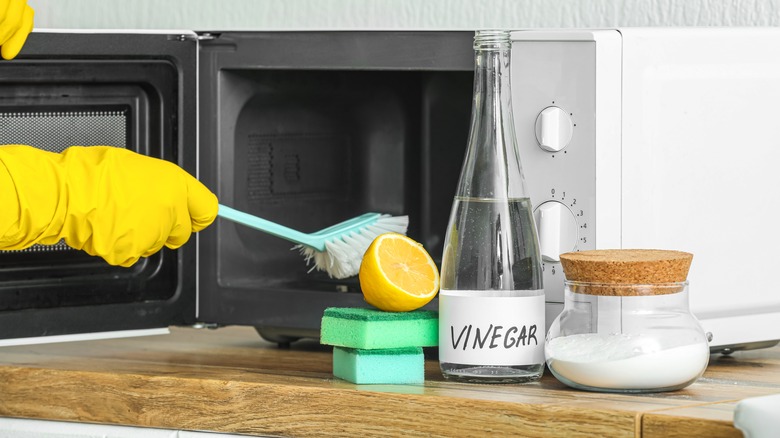
Microfiber cloths are particularly effective as they trap dirt and grime without leaving lint behind. For cleaning solutions, you can opt for natural ingredients like vinegar and baking soda, which are both effective and eco-friendly. Vinegar is excellent for cutting through grease and deodorising, while baking soda acts as a gentle abrasive that can tackle stubborn stains.
If you prefer commercial products, look for non-toxic cleaners specifically designed for microwaves. Always check that they meet Australian safety standards to ensure you’re using safe options in your kitchen.
Step-by-step guide for cleaning the inside of your microwave
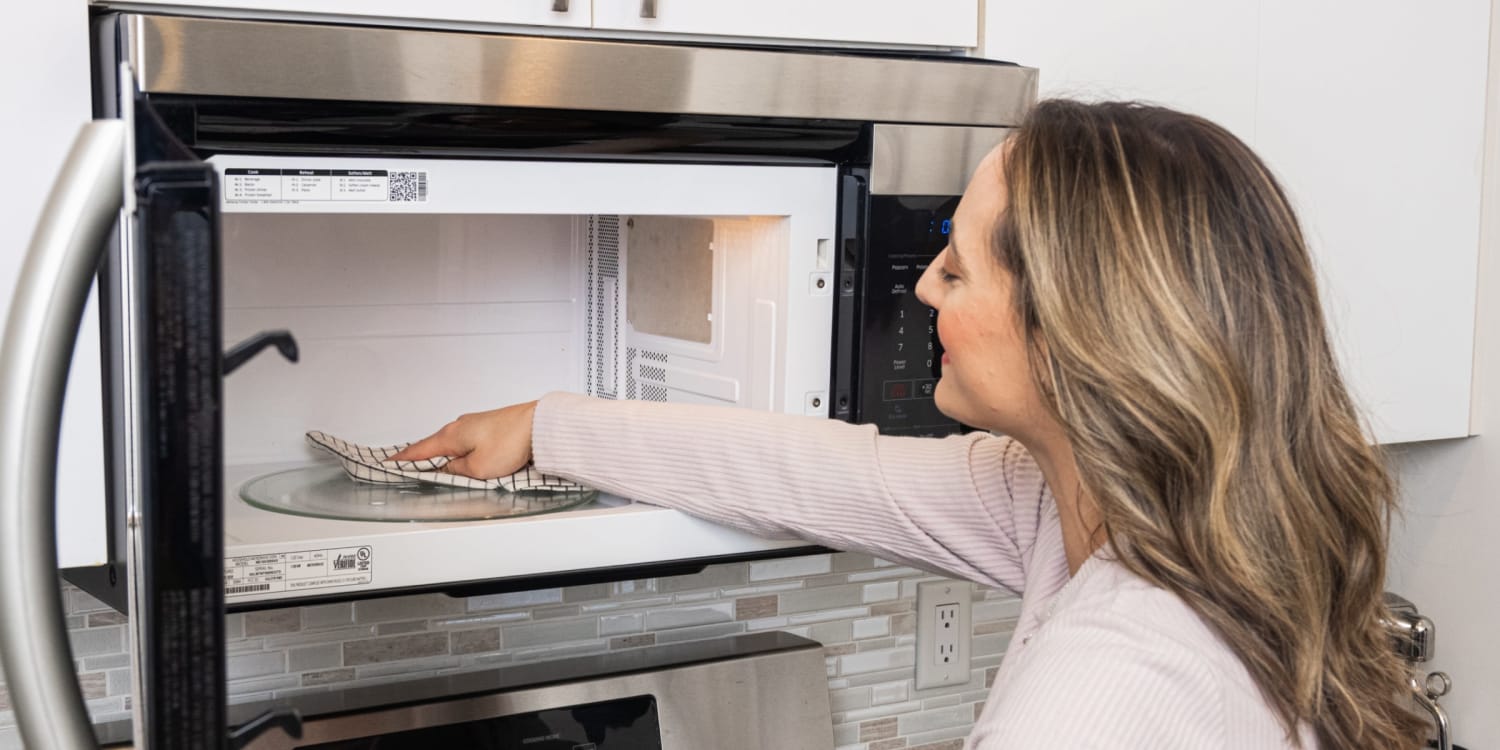
Cleaning the inside of your microwave doesn’t have to be a daunting task.
Here’s a straightforward step-by-step guide to help you get it done efficiently:
1. Gather Your Supplies: Collect your sponge or cloth, vinegar or baking soda, and a bowl of water.
2. Steam Clean: Fill a microwave-safe bowl with water and add a couple of tablespoons of vinegar. Place it in the microwave and heat on high for about five minutes. The steam will loosen any food particles stuck to the walls.
3. Wipe Down: Carefully remove the bowl (it will be hot!) and use your sponge or cloth to wipe down the interior surfaces. Pay special attention to corners and crevices where grime tends to accumulate.
4. Tackle Stains: For any stubborn spots, sprinkle some baking soda directly onto the stain and scrub gently with your sponge.
5. Final Rinse: Wipe everything down with a clean, damp cloth to remove any residue from your cleaning solution.
By following these steps regularly, you’ll keep your microwave looking fresh and functioning well.
Tips for removing tough, stuck-on food stains
Stuck-on food stains can be particularly frustrating, but there are effective methods to tackle them without resorting to harsh chemicals. One of the best approaches is to use steam cleaning, as mentioned earlier. The steam not only loosens food particles but also makes it easier to wipe them away.
If you encounter particularly stubborn stains, consider making a paste with baking soda and water. Apply this paste directly onto the stain and let it sit for about 10-15 minutes before scrubbing gently with a sponge. The mild abrasiveness of baking soda will help lift the stain without damaging the surface of your microwave.
Another handy tip is to use lemon juice mixed with water. Place lemon slices in a bowl of water and microwave it for a few minutes. The citric acid helps break down grease while leaving a pleasant scent behind.
This method is especially useful in Australian homes where fresh lemons are often readily available.
How to clean the exterior of your microwave
While the interior of your microwave often gets most of the attention, don’t forget about its exterior! A clean exterior not only looks better but also prevents dust and grime from entering the appliance. Start by unplugging the microwave for safety.
Use a soft cloth dampened with warm, soapy water to wipe down the exterior surfaces. For stainless steel models, consider using a dedicated stainless steel cleaner or a mixture of vinegar and olive oil for a streak-free shine. Always wipe in the direction of the grain to avoid scratches.
Don’t forget about the control panel! Use a slightly damp cloth to clean it gently, ensuring that no moisture seeps into any openings. Regularly cleaning the exterior will help maintain its appearance and functionality, making it easier to keep your kitchen looking pristine.
The importance of cleaning the microwave turntable
The turntable is an often-overlooked component of your microwave that plays a crucial role in even cooking. Food particles can easily accumulate on this rotating plate, leading to unpleasant odours and potential cross-contamination between different foods. Cleaning the turntable should be part of your regular maintenance routine.
To clean it effectively, remove the turntable from the microwave and wash it in warm soapy water or place it in the dishwasher if it’s dishwasher-safe. Ensure the item is dry thoroughly before returning it to the microwave to prevent moisture buildup. Regularly cleaning the turntable not only helps maintain hygiene but also ensures that your food cooks evenly every time you use the appliance.
This is particularly important for those who rely on their microwaves for quick meals or reheating leftovers.
How to deodorize your microwave
A smelly microwave can be off-putting, especially when reheating food. Fortunately, deodorising your microwave is simple and can be done using natural ingredients you likely already have at home. One effective method is to use vinegar or lemon juice mixed with water.
Fill a bowl with equal parts water and vinegar or lemon juice, then microwave it on high for about five minutes. The steam will help neutralise odours while also loosening any grime inside. Afterward, wipe down the interior surfaces with a clean cloth.
Another option is to place an open box of baking soda inside the microwave when it’s not in use. Baking soda is known for its odour-absorbing properties and can help keep your appliance smelling fresh over time.
Cleaning the microwave vents and filters
Cleaning the vents and filters of your microwave is an essential step that many people overlook. These components help maintain proper airflow and prevent overheating, which can lead to appliance failure over time. In Australia’s humid climate, dust and grease can accumulate quickly, making regular cleaning even more critical.
To clean the vents, use a soft brush or cloth to gently remove any dust or debris that may have settled there. If your microwave has removable filters, take them out and wash them according to the manufacturer’s instructions—usually with warm soapy water or in the dishwasher if they are dishwasher-safe. Regularly checking and cleaning these components will not only prolong the life of your microwave but also ensure it operates efficiently, providing you with perfectly cooked meals every time.
Safety tips for cleaning your microwave
When cleaning your microwave, safety should always be a priority. Start by unplugging the appliance before you begin any cleaning tasks; this reduces the risk of electric shock while you’re working on it. Additionally, be cautious when handling hot items like bowls used for steaming—always use oven mitts or a thick cloth.
Avoid using abrasive cleaners or scouring pads that could scratch or damage the interior surfaces of your microwave. Instead, stick to soft sponges or cloths that are gentle yet effective at removing grime. Lastly, ensure that any cleaning products you use are safe for food contact surfaces and comply with Australian safety standards.
This will help you maintain a safe cooking environment while keeping your microwave in top shape.
How often should you clean your microwave?
The frequency with which you should clean your microwave largely depends on how often you use it. For those who rely on their microwaves daily—whether for reheating meals or cooking quick snacks—it’s advisable to give it a thorough clean at least once a week. This will help prevent any build-up of food particles and odours.
If you use your microwave less frequently, aim for a deep clean every two weeks or at least once a month. However, it’s wise to wipe down any spills or splatters immediately after they occur to prevent them from hardening over time. By establishing a regular cleaning schedule tailored to your usage habits, you’ll ensure that your microwave remains hygienic and functional for years to come.
Maintaining a clean microwave for better cooking results
A clean microwave not only looks good but also contributes significantly to better cooking results. When food particles accumulate inside, they can interfere with heat distribution, leading to uneven cooking or cold spots in your meals. By keeping your appliance clean, you’ll enjoy more consistent results every time you use it.
Additionally, regular maintenance helps prevent lingering odours from affecting the taste of your food. A fresh-smelling microwave means that each meal will taste as intended without any unwanted flavours seeping in from previous dishes. In summary, maintaining a clean microwave is essential for both hygiene and cooking efficiency.
By following these tips and establishing a regular cleaning routine, you’ll ensure that your appliance remains in excellent condition while providing delicious meals for you and your family. How TASPRO Can Help At TASPRO, we understand that keeping up with household chores can be overwhelming at times—especially when life gets busy! That’s why we offer professional cleaning services tailored to meet your needs, whether you’re moving out and require end-of-lease cleaning or simply want someone else to handle regular maintenance tasks like office cleaning or carpet cleaning.
Our team is trained in eco-friendly cleaning practices that are safe for both your family and pets while ensuring that every corner of your home sparkles like new. We also provide specialised NDIS cleaning services designed to support individuals with disabilities in maintaining their living spaces comfortably. If you’re ready to take the hassle out of cleaning and enjoy a spotless home without lifting a finger, get in touch with us today!
Request a quote online and let TASPRO handle all your cleaning needs so you can focus on what truly matters—enjoying life!
If you’re interested in maintaining a spotless kitchen, not only should you know how to clean your microwave, but you might also want to explore other cleaning services that can help keep your entire home in pristine condition. For those looking to simplify their cleaning routine, consider checking out this article on how to get cleaning service quotes online. This resource provides valuable insights into finding professional cleaning services that can tackle even the toughest cleaning challenges, ensuring your home remains a welcoming and hygienic space.
FAQs
What is the best way to clean a microwave?
The best way to clean a microwave is to place a microwave-safe bowl filled with water and a few tablespoons of vinegar inside the microwave. Heat the mixture for 5 minutes, then let it sit for a few more minutes before wiping down the interior with a damp cloth.
Can I use bleach to clean my microwave?
It is not recommended to use bleach to clean a microwave as it can leave behind harmful fumes and residue. It is best to use natural cleaning solutions such as vinegar and water.
How often should I clean my microwave?
It is recommended to clean your microwave at least once a week, especially if it is used frequently. Regular cleaning can help prevent the buildup of food splatters and odors.
Can I use a commercial microwave cleaner to clean my microwave?
Yes, there are commercial microwave cleaners available in the market that are specifically designed to clean and deodorize microwaves. Be sure to follow the instructions on the product label for best results.
Is it safe to use lemon to clean my microwave?
Yes, you can use lemon to clean your microwave. Simply place a few lemon slices in a bowl of water and heat it in the microwave for a few minutes. The steam from the lemon water will help loosen food splatters, making it easier to wipe down the interior.