

Cleaning is an essential part of maintaining a healthy and pleasant living environment, yet many people rely on widely circulated myths that can lead to ineffective or even harmful practices. These myths often stem from anecdotal evidence, cultural traditions, or outdated information that has been passed down through generations. As a result, individuals may find themselves using products or methods that do not deliver the promised results, wasting time and resources in the process.
Understanding the truth behind these cleaning myths is crucial for anyone looking to optimize their cleaning routines and ensure their homes are genuinely clean and safe. In this article, we will explore some of the most common cleaning myths, dissecting their origins and examining the scientific evidence that either supports or debunks them. By doing so, we aim to provide clarity and empower readers with accurate information that can enhance their cleaning practices.
From the effectiveness of natural ingredients like lemon juice and vinegar to the misconceptions surrounding bleach and detergent usage, we will delve into each myth to reveal the reality behind these popular beliefs. Contact us now!
Key Takeaways
- Many common cleaning myths are not as effective as they claim to be.
- Lemon juice is not a reliable natural disinfectant and should not be used as the sole method for killing germs.
- Vinegar is not a one-size-fits-all cleaner and may not be effective for all cleaning tasks.
- Bleach is not always the best solution for removing mold and may not be safe for all surfaces.
- A newspaper is not the secret to streak-free windows and may leave behind lint and residue.
- Baking soda is not a miracle cleaner and may not be effective for tough stains or grime.
- Club soda may not be effective at removing all types of stains from carpets and should not be relied upon as the only cleaning method.
- Olive oil is not the best furniture polish and may leave behind a greasy residue.
- Hot water alone may not effectively kill germs on surfaces and should be used in conjunction with other cleaning methods.
- Using more detergent does not necessarily mean cleaner clothes and may lead to soap residue buildup.
Myth: Lemon Juice is a Natural Disinfectant
Lemon juice is often touted as a natural disinfectant due to its acidic properties and pleasant scent. Many people believe that the citric acid in lemon juice can effectively kill bacteria and viruses on surfaces, making it a go-to choice for those seeking eco-friendly cleaning solutions. While lemon juice does possess some antibacterial properties, it is not a reliable disinfectant for household cleaning.
The concentration of citric acid in lemon juice is relatively low compared to commercial disinfectants, which are specifically formulated to eliminate pathogens effectively. Research indicates that while lemon juice can inhibit the growth of certain bacteria, it does not have the broad-spectrum efficacy required to be classified as a true disinfectant. For instance, studies have shown that lemon juice can reduce the viability of E.
coli and Salmonella on surfaces, but it does not eliminate them. This means that while lemon juice may be useful for light cleaning or as a deodorizer, it should not be relied upon for disinfecting high-touch areas like kitchen counters or bathroom fixtures where harmful germs may reside.
Myth: Vinegar is the Ultimate All-Purpose Cleaner

Vinegar is often hailed as the ultimate all-purpose cleaner, with many believing it can tackle any mess or stain due to its acidic nature. While vinegar is indeed effective for certain cleaning tasks—such as removing mineral deposits, cutting through grease, and neutralizing odors—it is not a panacea for all cleaning challenges. One significant limitation of vinegar is its ineffectiveness against certain types of bacteria and viruses.
For example, while vinegar can reduce the presence of some pathogens, it does not meet the standards set by health organizations for disinfecting surfaces. Moreover, using vinegar on certain surfaces can cause damage. For instance, vinegar can etch natural stone countertops like granite or marble, leading to irreversible damage over time.
Additionally, when mixed with baking soda, vinegar produces carbon dioxide gas, which can create a fizzing reaction but ultimately neutralizes both substances, rendering them less effective as cleaners. Therefore, while vinegar has its place in a cleaning arsenal, it should not be considered an all-purpose solution for every cleaning need.
Myth: Bleach is the Best Way to Remove Mold
| Method | Effectiveness | Safety | Environmental Impact |
|---|---|---|---|
| Bleach | Effective at killing mold on non-porous surfaces | It can be harmful if not used properly, and it can produce toxic fumes | It can be harmful to the environment if not disposed of properly |
| Vinegar | Effective at killing some types of mold | Safe to use, non-toxic | Environmentally friendly |
| Baking Soda | Effective at removing mold stains and odors | Safe to use, non-toxic | Environmentally friendly |
Bleach has long been regarded as the go-to solution for mold removal due to its strong disinfecting properties and ability to whiten surfaces. However, this belief is misleading and can lead to ineffective mold remediation practices. While bleach can kill surface mold on non-porous materials like tiles and glass, it does not penetrate porous surfaces such as wood or drywall, where mold often thrives.
In fact, using bleach on porous materials can create an environment conducive to mold regrowth because it leaves behind moisture that can promote further growth. Research has shown that alternative methods, such as using hydrogen peroxide or specialized mold removers, may be more effective in eliminating mold from porous surfaces. These alternatives not only kill mold spores but also penetrate deeper into materials to prevent future infestations.
Furthermore, relying solely on bleach can pose health risks due to its harsh fumes and potential for skin irritation. Therefore, while bleach may have its uses in certain cleaning scenarios, it should not be considered the best option for comprehensive mold removal.
Myth: Newspaper is the Secret to Streak-Free Windows
The idea that a newspaper is the secret weapon for achieving streak-free windows has been passed down through generations of home cleaning advice. Many people swear by this method, believing that the ink in newspapers helps absorb moisture and leaves glass surfaces gleaming. However, this practice is not as effective as it may seem.
The ink used in modern newspapers is often made from soy-based or water-soluble inks that do not provide any significant cleaning benefits. In fact, these inks can sometimes leave behind smudges or residue on glass surfaces. Additionally, using newspapers can lead to more waste and environmental concerns as it contributes to paper consumption.
Instead of relying on newspapers, microfiber cloths have emerged as a superior alternative for cleaning windows. Microfiber cloths are designed to trap dirt and dust particles without scratching surfaces or leaving lint behind. They are reusable and washable, making them a more sustainable choice for window cleaning.
Therefore, while newspapers may have been a popular choice in the past, modern cleaning tools offer more effective and environmentally friendly options.
Myth: Baking Soda is the Miracle Cleaner
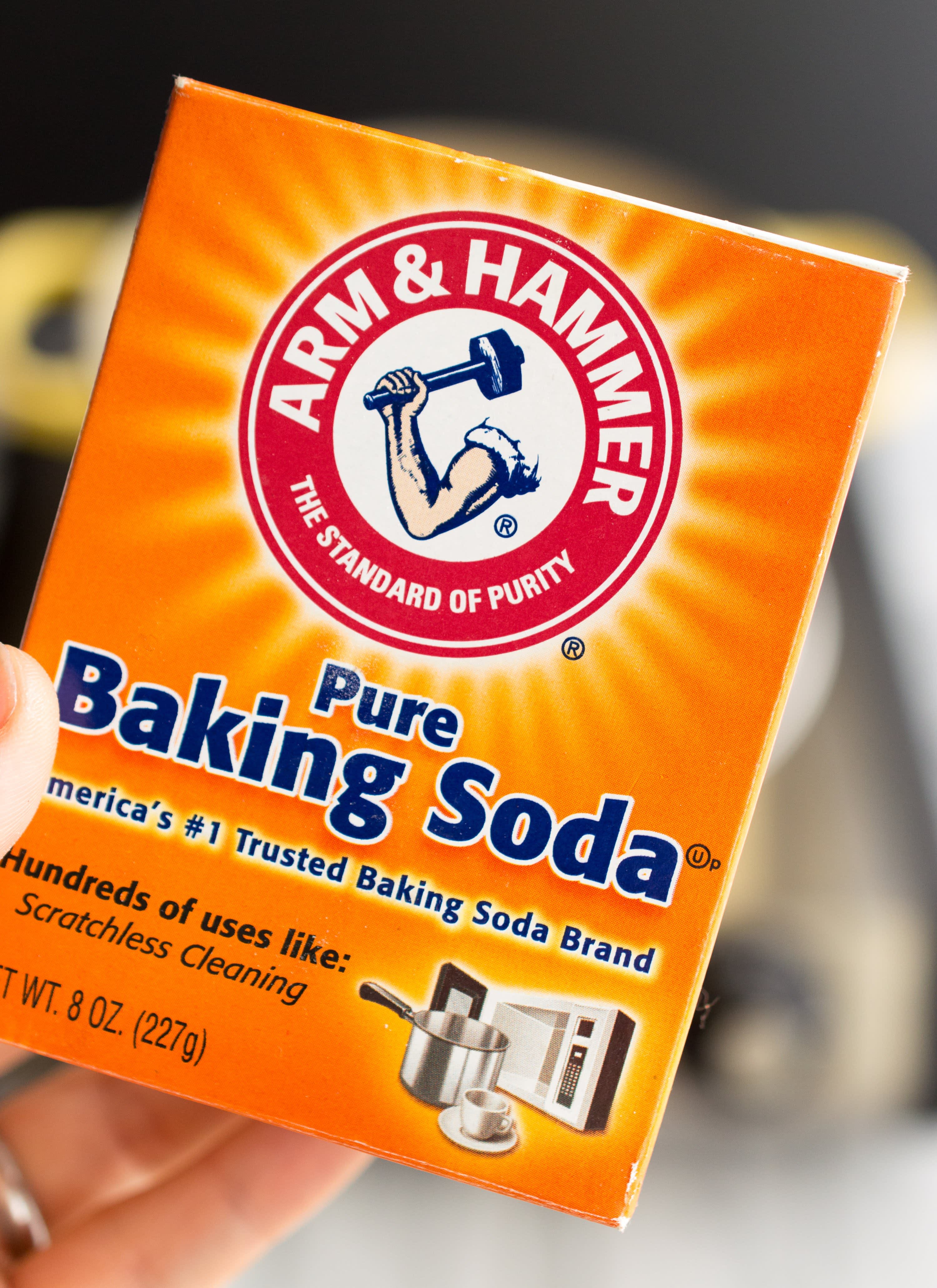
Baking soda is often celebrated as a miracle cleaner due to its versatility and mild abrasive properties. It is commonly used for deodorizing carpets, freshening up refrigerators, and even unclogging drains. While baking soda does have legitimate cleaning applications—such as neutralizing odors and providing gentle scrubbing power—it is not a cure-all for every cleaning challenge.
For instance, while it can help remove some stains from fabrics or surfaces, it may not be effective against tougher stains like grease or ink. Moreover, baking soda’s effectiveness can be limited when used alone without other cleaning agents. For example, when combined with vinegar, baking soda creates a fizzing reaction that can help lift dirt, but ultimately neutralizes both substances’ cleaning properties.
In cases where deep cleaning or disinfection is required, relying solely on baking soda may not yield satisfactory results. Therefore, while baking soda is undoubtedly a valuable addition to any cleaning toolkit, it should be used in conjunction with other products for optimal effectiveness.
Myth: Club Soda Removes Stains from Carpets
Club soda has gained popularity as a go-to solution for removing stains from carpets due to its carbonation and perceived ability to lift stains effectively. Many people believe that pouring club soda directly onto a stain will help lift it away without leaving any residue behind. However, this belief oversimplifies the complexities of stain removal and can lead to disappointment when results do not meet expectations.
While club soda may help with certain types of stains—particularly those caused by spills like wine or soda—it is not universally effective for all stains. The carbonation in club soda can help lift some stains temporarily, but it does not contain any active cleaning agents that would break down the stain’s components effectively. In many cases, club soda may simply dilute the stain rather than remove it entirely.
For more stubborn stains, specialized carpet cleaners or enzymatic solutions are often necessary to break down the stain’s composition and achieve better results.
Myth: Olive Oil is the Best Furniture Polish
Olive oil has gained popularity as a natural furniture polish due to its nourishing properties and pleasant scent. Many people believe that applying olive oil to wooden furniture will enhance its shine and protect it from damage. However, this practice can lead to unintended consequences over time.
While olive oil may provide temporary shine when first applied, it can also leave behind a sticky residue that attracts dust and dirt. Furthermore, olive oil can oxidize over time when exposed to air and light, leading to rancidity and unpleasant odors on furniture surfaces. This oxidation process can also create a film that becomes difficult to remove without proper cleaning agents.
Instead of using olive oil as a furniture polish, specialized wood polishes or oils designed for furniture care are recommended. These products are formulated to nourish wood while protecting against wear and tear without the drawbacks associated with using cooking oils.
Myth: Hot Water Kills Germs on Surfaces
The belief that hot water alone can effectively kill germs on surfaces is widespread but fundamentally flawed. While hot water can help loosen dirt and grime during cleaning processes, it does not guarantee disinfection or germ elimination on its own. The temperature required to kill most pathogens typically exceeds what most household hot water systems can provide safely without causing burns or damage to surfaces.
For effective disinfection, surfaces must be treated with appropriate cleaning agents designed specifically for killing germs and bacteria. Many disinfectants require contact time—meaning they need to remain wet on the surface for a specified duration—to effectively eliminate pathogens. Relying solely on hot water without incorporating proper disinfectants may leave harmful germs behind on surfaces where they can continue to pose health risks.
Myth: Using More Detergent Means Cleaner Clothes
A common misconception among laundry enthusiasts is that using more detergent will result in cleaner clothes. This belief often leads individuals to pour excessive amounts of detergent into their washing machines in hopes of achieving pristine results. However, using too much detergent can actually have the opposite effect by leaving behind residue on fabrics and leading to buildup in washing machines over time.
Most modern detergents are formulated with concentrated cleaning agents designed to work effectively at recommended dosages. When too much detergent is used, it can create excess suds that interfere with the washing machine’s ability to rinse clothes thoroughly. This residue can cause clothes to feel stiff or look dull after washing instead of clean and fresh.
Following manufacturer guidelines for detergent usage ensures optimal performance while preventing unnecessary waste and potential damage to clothing.
Separating Fact from Fiction in Cleaning Advice
In navigating the world of cleaning advice, it’s essential to discern fact from fiction to adopt effective practices that truly enhance cleanliness and hygiene in our homes. The myths explored in this article highlight how easily misinformation can spread and how reliance on outdated beliefs can lead to suboptimal results in our cleaning routines. By understanding the limitations of popular cleaning agents like lemon juice, vinegar, bleach, baking soda, club soda, olive oil, hot water, and detergent usage, individuals can make informed choices about their cleaning methods.
Armed with accurate information about what works—and what doesn’t—individuals can optimize their cleaning strategies for better results while also promoting safety and sustainability in their homes. As we continue to seek out effective solutions for maintaining cleanliness in our living spaces, separating fact from fiction will empower us all to create healthier environments for ourselves and our families.
If you’re interested in debunking common cleaning myths and discovering effective cleaning techniques, you might also find value in reading customer experiences and feedback on cleaning services. These testimonials can provide insights into what truly works in real-life scenarios. For more information, check out the Cleaning Services Customer Testimonials page. Here, you’ll find firsthand accounts from clients who have experienced professional cleaning services, offering a practical perspective that complements the advice found in “Cleaning Myths That Are Wasting Your Time (and What Actually Works).”
FAQs
What are some common cleaning myths that are wasting time?
Some common cleaning myths that are wasting time include the belief that using a newspaper to clean windows is effective, that lemon can be used to clean and disinfect surfaces, and that using hot water is better for removing stains.
Why is using a newspaper to clean windows a myth?
Using a newspaper to clean windows is a myth because the ink can transfer onto the glass, leaving streaks and smudges. It is better to use a microfiber cloth or a squeegee for streak-free results.
Is lemon an effective cleaning agent?
While lemon can provide a fresh scent and some mild cleaning properties, it is not a strong disinfectant. It is better to use a commercial disinfectant or a solution of bleach and water for effective disinfection.
Is hot water better for removing stains?
Contrary to popular belief, hot water can actually set certain stains, such as blood or protein-based stains. It is better to use cold water for these types of stains to prevent them from setting.
What are some effective cleaning methods that actually work?
Effective cleaning methods that actually work include using a microfiber cloth for dusting, using a mixture of vinegar and water for cleaning glass and mirrors, and using baking soda as a mild abrasive for scrubbing surfaces.